What Does Concealed Damage Mean
Concealed damage is damage hidden underneath the surface that only shows up once the repair shop opens the car up.
What to know about hidden damage
- It's found during repair A shop usually finds it once panels come off and they can see the frame or mechanical parts underneath. This is normal and doesn't mean anyone did anything wrong.
- It needs a supplement The shop writes up a supplemental estimate for the added damage and sends it to the insurer. Ask the shop to document it with photos before they fix it.
- The insurer has to review it The at-fault driver's insurer will usually send an adjuster to look at the new estimate or approve it based on photos. Expect this to add time to your repair.
- Not an extra cost for you If the crash caused it, it belongs in the claim just like the damage that was visible at first. Don't let anyone tell you it's a separate cost you have to cover.
- It can change the payout Sometimes concealed damage is serious enough to push the repair cost close to or past the car's value. Ask the shop and insurer directly if that's a possibility in your case.
The short version
Concealed damage is damage the shop finds once they open up the car, after the first estimate was already written. It's normal, it belongs in your claim, and you shouldn't pay for it separately. Ask the shop to document it well and send it to the insurer right away so repairs aren't delayed more than necessary.
A fender bender that turned into more
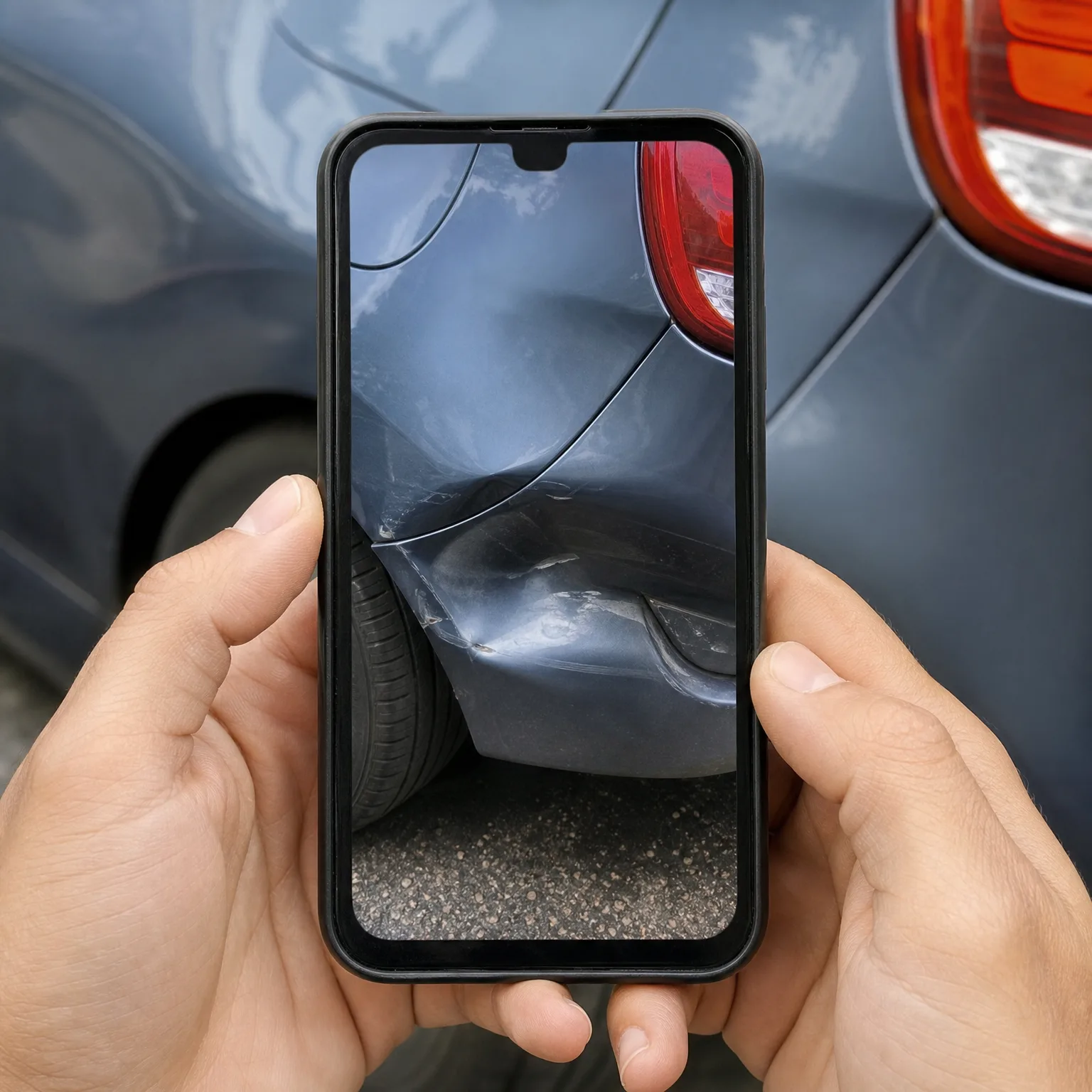
Say your car was hit from behind at a stoplight. The outside damage looked minor, just a dented bumper and a cracked taillight, so the first estimate was fairly small. You took it to a shop, work began, and once they pulled the bumper off they found the frame behind it was bent and a sensor mount was cracked too.
The shop photographed everything and wrote a supplemental estimate, then sent it to the at-fault driver's insurer. You called the adjuster to confirm they'd received it and asked how long the review would take. The insurer approved the extra repair within a few days once they saw the photos, and the shop finished the job. The final bill was higher than the original estimate, but you didn't pay for any of the hidden damage yourself because it all came from the same collision.
Once you know hidden damage won't cost you extra, you can compare quotes knowing your claim is handled correctly.
What if the insurer says the hidden damage isn't related to the crash?
This happens sometimes, and it's worth pushing back carefully. Ask the shop to put in writing why the damage is consistent with the type of impact your car took, since shops see this pattern often and can explain it in terms adjusters understand.
If the insurer still disputes it, ask for the specific reason in writing. You can also ask your own insurer for guidance even if you're not filing through your own policy, since they deal with this kind of dispute regularly. In some states there are formal ways to challenge a denied supplement, so check what your state allows if the disagreement doesn't resolve quickly.
Why hidden damage shows up after the first look
A first estimate is written from what's visible without taking the car apart. Adjusters and shops look at the outside, check obvious signs of impact, and estimate based on that. But collisions often push force into places you can't see from the outside, like frame rails, brackets, or wiring behind a bumper.
It's only once a shop starts the actual repair, removing panels and parts, that they can see what's underneath. This is standard in collision repair and isn't a sign that the shop is trying to inflate the bill. Reputable shops document it with photos specifically because they know insurers will ask for proof before approving the added cost.
The insurer's obligation is to pay for damage the collision caused, not just damage that was visible on day one. That's why a supplemental estimate gets submitted and reviewed separately. In most cases this is routine and gets approved once the shop shows clear evidence.
Where it gets complicated is when the added damage is severe enough to raise questions about whether the car is worth repairing at all, or when the insurer questions whether the damage came from this crash versus something older. Those situations take longer to resolve and may need more documentation, like prior repair records or a second opinion, before the insurer agrees to pay.
Who pays for concealed damage on a car accident claim?
The at-fault driver's insurer pays for it, the same as the rest of the collision damage, as long as the shop documents it as part of the same crash. Check that the shop sends photos and a clear supplemental estimate, since that's what usually gets it approved without delay. If the insurer disputes the connection to the crash, that's when it can take longer to resolve.
How long does a supplemental damage claim take to approve?
It varies by insurer and how much documentation is needed, but simple supplements are often approved within a short review period once photos are submitted. Check with the shop on how they typically communicate with that insurer, since shops that deal with the same insurers often know what speeds things up. Complex cases involving frame damage or high repair costs can take longer.
Can concealed damage total my car after repairs started?
Yes, if the added repair cost combined with the original estimate pushes the total close to or past what your car is worth. Check with the shop and insurer early if the damage looks serious, since this affects whether repairs continue or the insurer declares the car a total loss. If that happens, you'd be dealing with a payout for the car's value instead of a repair bill.