Getting Your Car Repaired After Someone Hits You
The at-fault driver's insurance should pay for your repairs, but you control how the claim moves and what you accept.
Why the other insurer isn't just handing you a check
When another driver causes the crash, their insurance is legally responsible for your repair costs, but that company works for them, not you. Their adjuster's job is to close the claim for as little as possible while staying within the law. That isn't personal, it's the structure of the system, and knowing this changes how you read every call and offer you get.
This is why fault gets questioned even when it seems obvious. An adjuster may ask you to describe the accident in detail, partly to understand what happened and partly to find any reason to shift even a portion of blame onto you. In many places, if you're found even partly at fault, your payout can shrink. You don't have to accept their framing of events, and you're allowed to stick to simple, factual answers.
The repair estimate process works differently depending on where you live and which insurer is involved. Some will send their own appraiser, some accept estimates from your chosen shop, and some require you to use a shop in their network to get the fastest approval. If their first estimate seems low, you're generally allowed to get a second opinion from a shop you trust, and disagreements over estimates are common enough that most companies have a process for it.
Using your own insurance instead of waiting on the other driver's company is sometimes faster, because your insurer works for you and may pay out sooner, then recover the cost from the other side later. Whether this makes sense depends on your coverage and your deductible, so check your policy before deciding which path to take.
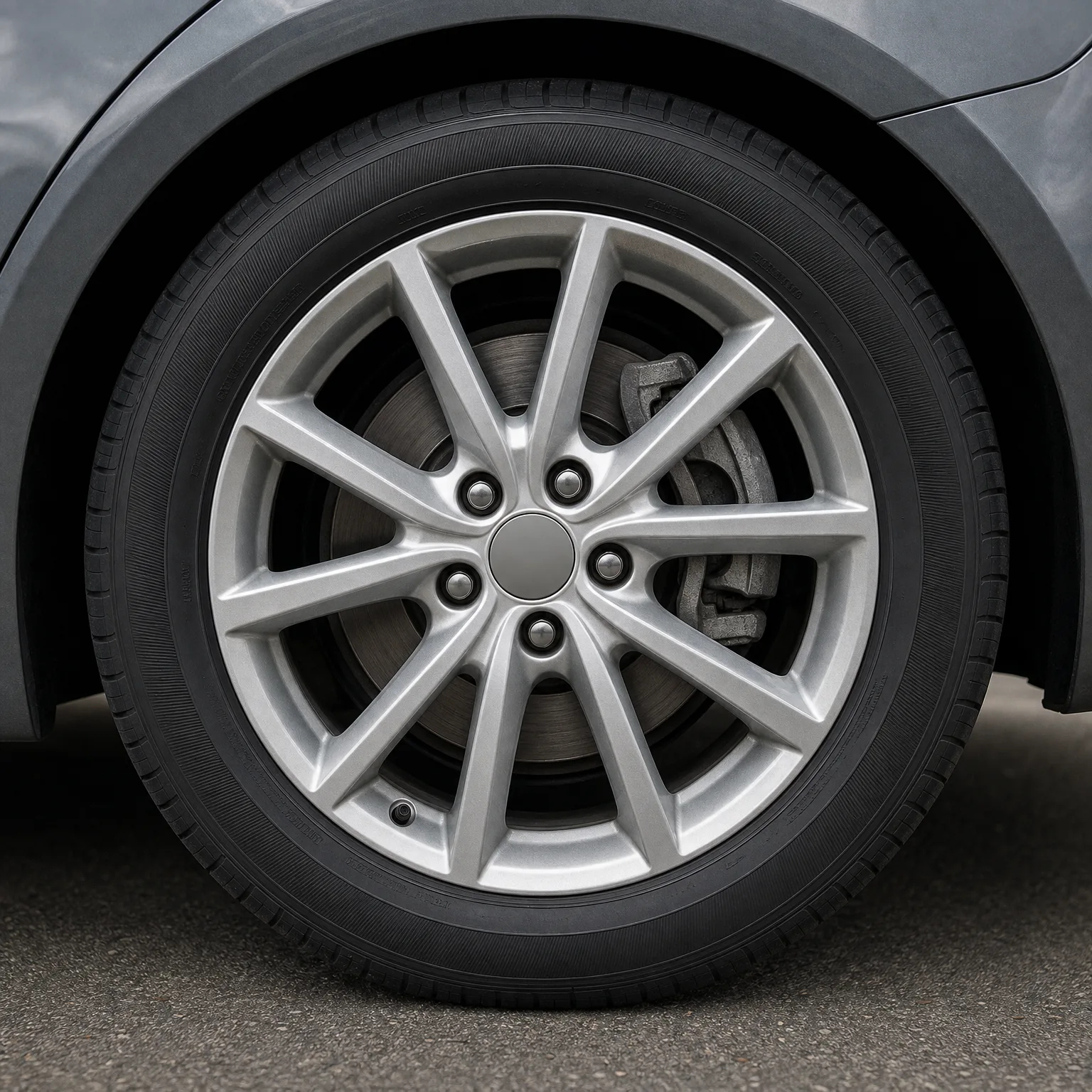
A driver runs a red light and totals your bumper and quarter panel
You're stopped at a light when another car turns in front of you and clips your front end. The police report lists them at fault, but their insurer calls within a day asking for a recorded statement and asking you to describe your speed and attention right before impact. You keep your answers short and factual, sticking to what you observed, and you decline to speculate about anything you didn't see clearly.
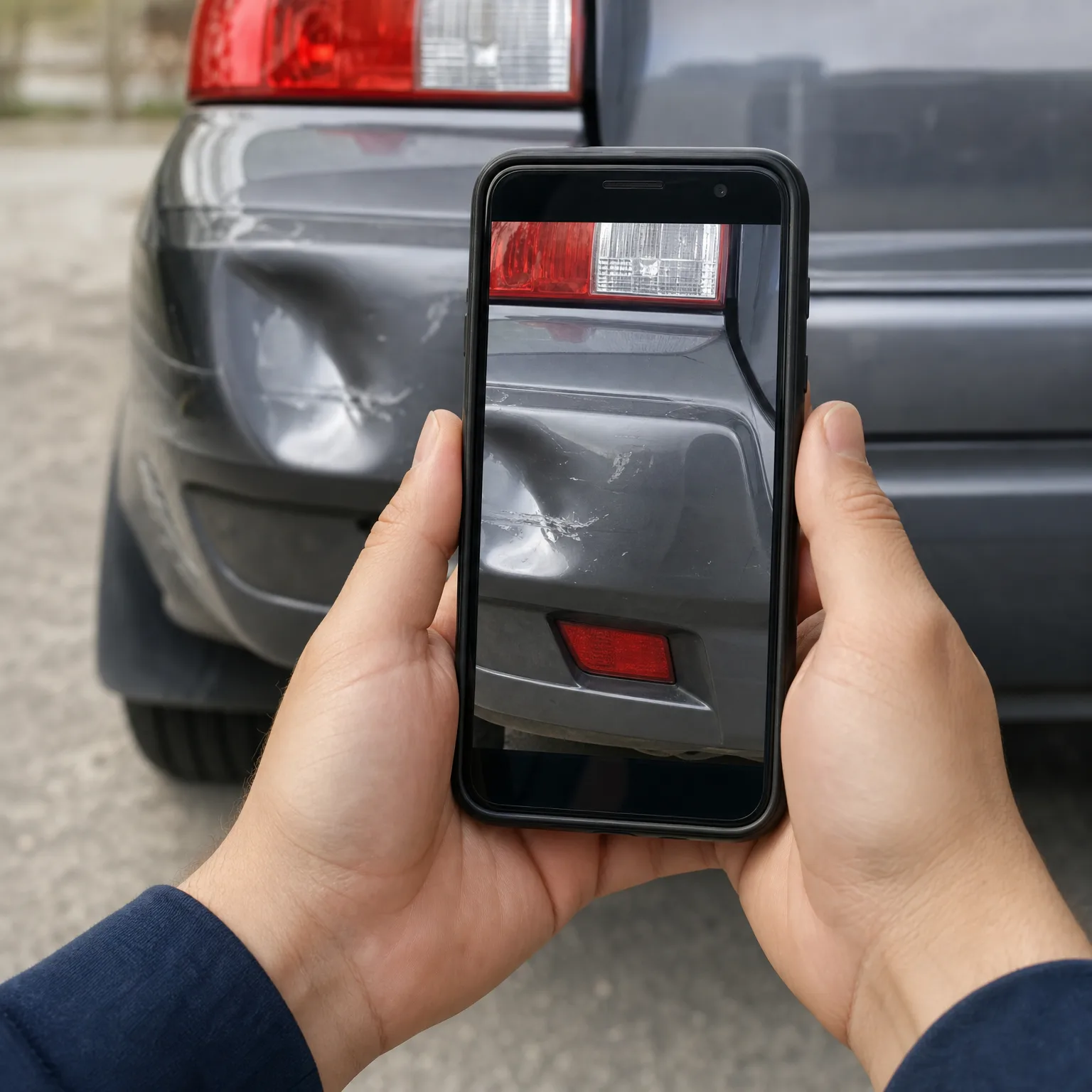
Their first repair estimate comes in lower than what your mechanic quoted, mainly because it uses aftermarket parts instead of original ones. You get a second estimate from a shop you trust and send it to the adjuster, along with photos of the damage. The adjuster agrees to the higher estimate after review, and separately arranges a rental car for the days your vehicle is in the shop. The repair takes about a week, and because you kept your statements simple and your paperwork organized, the claim closes without a fight over fault or cost.
What if the other driver's insurance won't pay or is too slow?
If the other insurer delays, denies, or lowballs you, you still have options. Many drivers switch to using their own collision coverage to get the car fixed right away, then let their insurer pursue reimbursement from the at-fault driver's company. This usually means paying your deductible upfront, though you may get it back later if the other side accepts fault.
If there's no response at all, or the other driver turns out to be uninsured or underinsured, check your own policy for uninsured motorist coverage, which exists specifically for this situation. Rules about how long an insurer can take before you can escalate a dispute vary by state, so it's worth checking what your state allows if you feel stuck.
With the claim process clear, compare quotes to make sure your own coverage won't leave you waiting next time.

What to do to keep the claim moving in your favor
- Document everything early Photos of the damage, the scene, and any visible injuries matter more than memory. Do this before the car is moved or repaired, and keep copies separate from what you send the insurer.
- Keep statements short You don't need to guess about speed, distance, or blame. Describe only what you directly saw and felt, and let the police report and evidence fill in the rest.
- Get your own estimate You're not required to accept the other insurer's first number. Bring the car to a shop you trust and compare their estimate before agreeing to anything.
- Confirm the rental in writing If you need a replacement vehicle while yours is repaired, get the rental approval confirmed in writing so there's no dispute later about who pays for it.
- Check your own policy too Your collision or uninsured motorist coverage may get your car fixed faster if the other insurer stalls. Know your deductible before you decide which route to take.

The other insurer isn't neutral, so treat every offer as a starting point, not the final answer.