Why Do Car Repairs Take So Long
Repairs usually take so long because of parts delays, insurer approval steps, and shop backlogs, not because your claim is being ignored.
The delay usually comes from three places at once
A repair isn't one task, it's a chain of approvals. The shop has to inspect the car, write an estimate, and often wait for the at-fault driver's insurer to approve that estimate before ordering parts. If the adjuster disagrees with the shop's numbers, that back and forth alone can stall things for a while.
Parts availability matters more than most people expect. Certain body panels, sensors, or electronic components have to come from the manufacturer, and if your car uses newer safety technology, cameras and sensors behind the bumper need calibration after the repair, which is its own separate appointment.
The insurer's process adds another layer. Someone has to review the estimate, decide whether the car is worth repairing at all, and approve supplemental costs if the shop finds more damage once they open the car up. That discovery of hidden damage is common and almost always adds time, because it means a new estimate has to be written and approved again.
Where you are and which shop you use also changes the timeline. Some states and insurers move faster on approvals, some shops have direct relationships with insurers that speed things up, and some are backed up for weeks before they even start. None of this means something is wrong with your claim, it's just how the repair pipeline works.
When hidden damage resets the clock
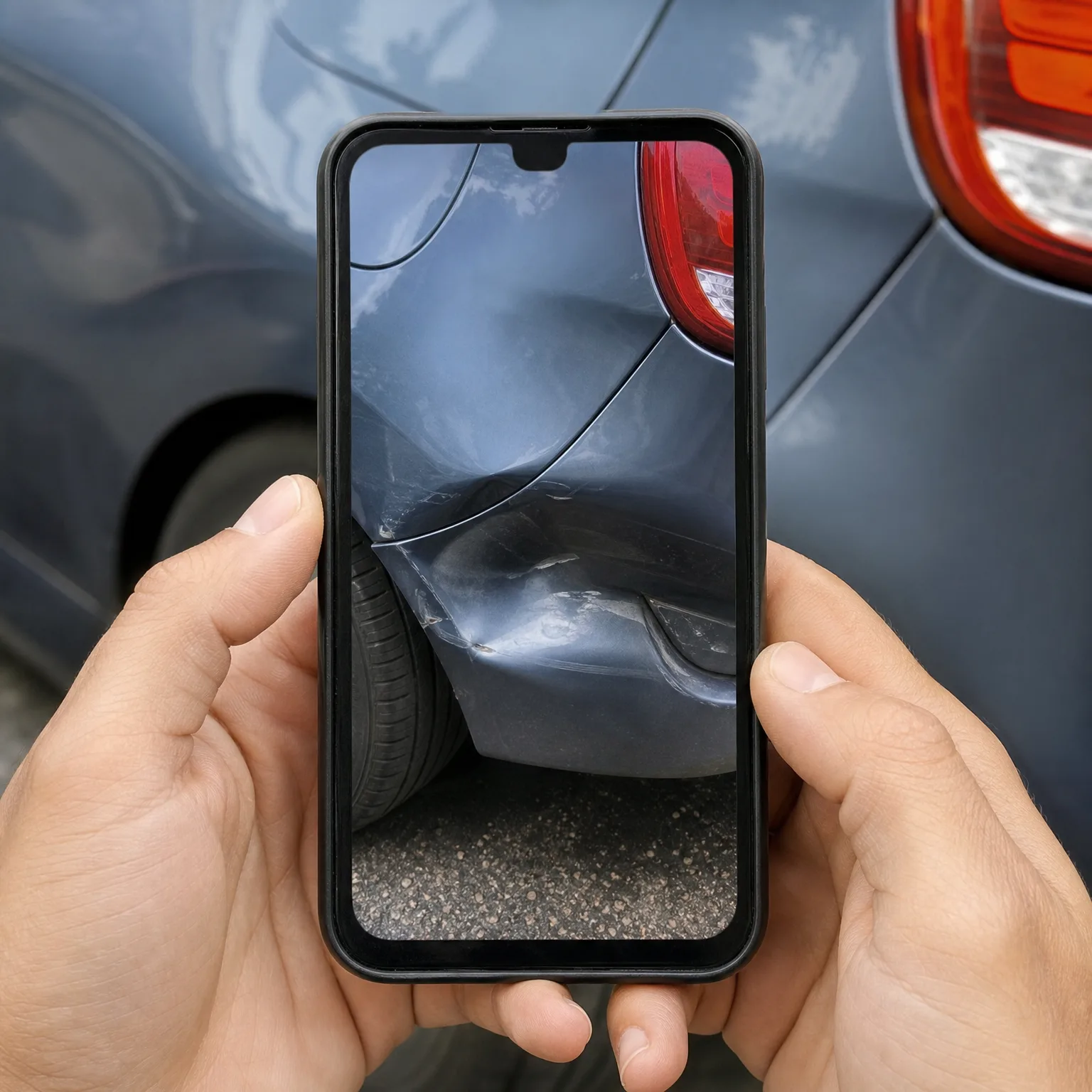
Someone rear-ends your car at a stoplight. The shop's first estimate covers the bumper and trunk, the at-fault insurer approves it, and parts get ordered. A week into the repair, the shop opens the trunk and finds the frame is bent, which wasn't visible from the outside. They have to stop, write a supplemental estimate, and send it back to the adjuster for approval before continuing.
That approval takes several more days because the adjuster wants photos and sometimes a phone call with the shop. Once it's approved, the frame parts have to be special ordered, which adds more time than the bumper did. The car ends up taking noticeably longer than the shop's original estimate, not because anyone dropped the ball, but because the damage underneath didn't match what anyone could see at the start. Asking the shop directly what stage the car is in, inspection, approval, parts, or calibration, is the fastest way to know whether a delay is normal or worth pushing on.
A slow repair usually isn't trouble with your claim, it's just the normal sequence of approvals and parts.
Once you know what's actually causing the wait, compare quotes knowing your own coverage choices for next time.

Whether you keep checking in on the repair's status
If you do
You catch delays early, like a stalled supplemental approval or a part that's back ordered longer than expected. The shop knows you're paying attention, which sometimes nudges them to prioritize your file, and you're not blindsided by a pushed-back pickup date.
If you don't
You find out about delays only when you call for an update or show up expecting the car. The shop may not volunteer every holdup unless asked, and a stalled approval can sit for days longer than necessary before anyone flags it to you.

What actually controls how fast your car gets fixed
- Hidden damage Shops often find more once they open the car up, and that requires a new estimate and a new approval. This is the single biggest cause of delays beyond the original timeline.
- Parts sourcing Some parts are common and arrive fast, others are special order or on back order. Ask the shop early which parts your repair depends on.
- Insurer approval steps The at-fault insurer typically has to approve the estimate and any supplements before work continues. Ask the shop whether they're waiting on anything from the insurer right now.
- Calibration needs Cars with cameras or sensors near the bumper or windshield often need a separate calibration step after the physical repair. This can add an extra appointment even after the car looks finished.
- Shop backlog Some shops are booked out before your car even arrives, especially after bad weather or a busy season. Ask for a start date, not just a repair-time estimate, when you drop the car off.
Can I push the other driver's insurer to speed up my repair?
You can ask, but you can't force it, since the shop and the insurer control the approval pace, not you. What you can do is stay informed enough to notice when something is actually stuck versus when it's just working through a normal step.
Calling the adjuster to ask specifically what's pending, a supplement, a parts delay, a calibration, gives you something concrete to follow up on instead of a vague sense that things are slow. If a specific approval has been sitting for an unusually long time with no movement, it's fair to ask for a timeline and to mention you're tracking it. If the car is undriveable and a rental is involved, delays matter more, and that's worth raising directly, since a slow repair affects a slow rental too.