How to Claim a Third Party Accident
You file the claim directly with the other driver's insurer and push for a fair repair and rental while it's reviewed.
What to do, in order, to get this claim paid fairly
- Report the claim right away Call the other driver's insurer and open a claim using their policy, not yours. Give the facts of what happened, your contact details, and the other driver's information, and nothing more.
- Skip the recorded statement You can decline or delay a recorded statement until you've thought it through. You're not required to guess about fault or fill in gaps you're unsure of, so stick to what you know.
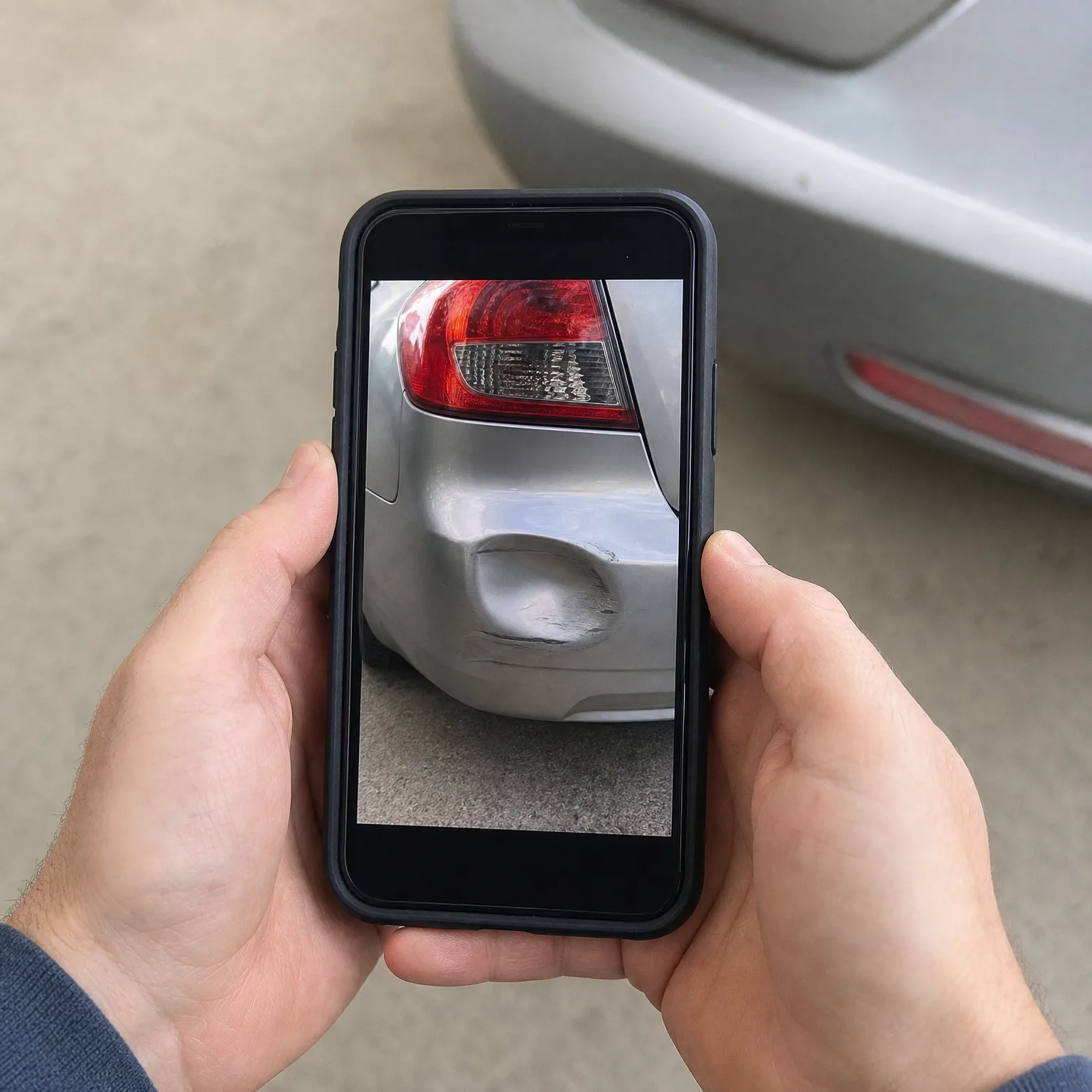
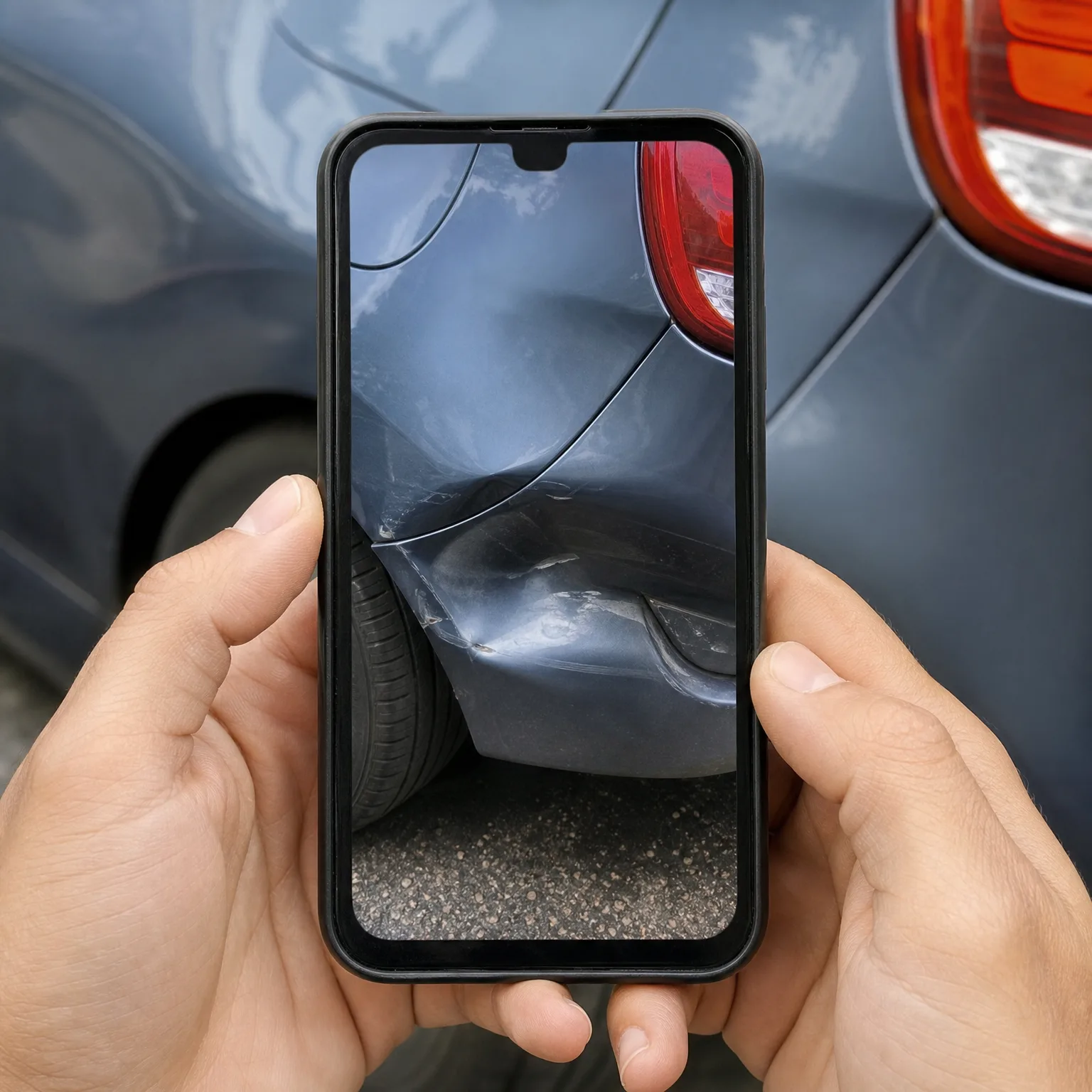
- Get your own repair estimate Don't accept the adjuster's first number without checking it against an independent shop estimate. If the numbers don't match, ask the adjuster to explain the difference in writing.
- Push on a slow rental car Ask directly when rental coverage starts and how long it lasts under their policy. If they stall, tell them you need a car to get to work and ask for a timeline in writing.
- Know when to use your insurer If the other insurer is slow, denies fault, or the driver has too little coverage, you can open a claim with your own insurer instead. Your insurer can then recover the cost from the other side.

The short version
You file the claim with the at-fault driver's insurer, not your own, and you don't have to accept their first offer on repairs or rental. Get an independent repair estimate, avoid guessing about fault, and if the other insurer is slow or disputes the claim, switch to using your own coverage and let your insurer recover the cost later.
A driver ran a red light and hit your car
Another driver ran a red light and hit the side of your car. You weren't hurt, but your bumper and door were damaged and you needed a rental for a week. You called the other driver's insurer the next day, gave them the basic facts, and declined the recorded statement until you'd had a chance to think it over. Their adjuster sent you to a shop for an estimate, but the number felt low compared to what you'd heard from friends with similar damage.
You got a second estimate from a shop you trusted, and it came in higher, mostly because the first one missed some hidden frame damage. You sent both estimates to the adjuster and asked them to explain the gap in writing. They agreed to cover the higher amount once their own inspector confirmed the damage. The rental took a few extra days to get approved, so you asked for a clear start date instead of waiting silently, and once you had that in writing, the rest of the claim moved quickly and the repairs were paid in full.
Once you know how to handle this claim and protect yourself in it, compare quotes to make sure your coverage is solid.
Why the claim works this way
When another driver is at fault, their insurer is responsible for your damage, so the claim runs through their policy instead of yours. This is called a third-party claim, and it means you're dealing with a company that has no contract with you and no obligation to treat your interests the same way your own insurer would. Understanding that difference is the key to the whole process.
Adjusters are trained to settle claims for as little as the facts allow, so a low first offer or a probing question about fault isn't personal, it's standard practice. That's why what you say matters, especially early on. A recorded statement can be used to assign you partial blame even in a clear-cut crash, so it's reasonable to wait until you understand the facts before giving one.
Fault itself can be disputed, especially if there were no witnesses or the damage pattern is unclear. In those cases, each insurer may investigate separately, and sometimes a police report or traffic camera footage ends up deciding things. If fault is contested or the other driver has too little insurance, using your own coverage can get your car fixed faster, and your insurer then seeks reimbursement from the other side instead of you waiting on it.
State rules affect some details, like how claims must be reported and what a rental covers, so check your state's requirements if timing becomes an issue. The core approach stays the same everywhere, you protect yourself by sticking to facts, verifying numbers independently, and knowing you always have the option to use your own policy if the other side isn't moving.
You're not stuck waiting on their insurer. Your own coverage is a real option the moment theirs stalls.