Filing a Claim Against Another Drivers Policy
You can file directly with the other driver's insurer, but you don't have to accept their first offer or their version of events.
Why the other insurer isn't just on your side
When you file against another driver's policy, you're dealing with a company whose job is to pay out as little as it reasonably can. That insurer has no relationship with you and no incentive to make you whole beyond what the law and the evidence force it to do. Understanding that changes how you handle every call.
The adjuster assigned to you will investigate fault, often by asking you questions that seem routine but are designed to find reasons to reduce or deny your claim. Anything you say in a recorded statement can be used to shift blame or minimize damages, even if you weren't at fault. This is normal practice, not a sign you're suspected of anything, but it means you should treat those conversations carefully.
Fault isn't always obvious or undisputed, even when you're sure of what happened. The other driver may describe the accident differently to their own insurer, witnesses may remember things differently, and police reports don't always settle the question. If fault is contested, the claim can slow down or get denied outright, which is when your own insurance coverage becomes a useful backup rather than a last resort.
In some situations the at-fault driver has no insurance or too little to cover your costs. State rules and policy terms vary on what happens next, so check your own policy for uninsured or underinsured motorist coverage before you assume the other side will simply pay.
The short version
You file the claim with the other driver's insurer, but you control what you say and don't have to accept the first offer. The real risk is in recorded statements and early settlement pressure, not in the filing itself. Document everything, get repair estimates in writing, and talk to your own insurer about your options before signing anything.
What actually determines how this claim goes
- The recorded statement What you say can be used to shift fault or shrink your payout. Stick to facts, avoid guessing, and consider having something in writing before you speak at length.
- The repair estimate Their first estimate often reflects the cheapest fix, not the right one. Get an independent estimate from a shop you trust before agreeing to a number.
- The rental car gap A slow or denied rental approval can leave you without transportation. Ask in writing what's covered and for how long before you count on it.
- Disputed fault If the other driver denies responsibility, the claim can stall or get rejected. Use police reports, photos, and witness information to support your account.
- Your own coverage as backup Your policy may let you file with your own insurer while the fault dispute gets sorted out. Ask your agent what this would cost you and how it gets repaid later.
Once you know how to protect this claim, compare quotes to make sure your own coverage backs you up next time.

Whether you get your own insurer involved early
If you do
Your insurer can start repairs or a rental faster, using your own coverage while fault gets resolved. You may pay a deductible upfront, but you're not stuck waiting on the other side. Your insurer also has its own reasons to pursue reimbursement from the at-fault insurer, so some of the pressure comes off you.
If you don't
You wait on the other driver's insurer to investigate, confirm fault, and approve repairs or a rental before anything moves. If they dispute fault or drag out the process, your car may sit unrepaired and you may be covering a rental yourself. You keep full control, but you also carry the delay.
A rear-end collision with a slow adjuster
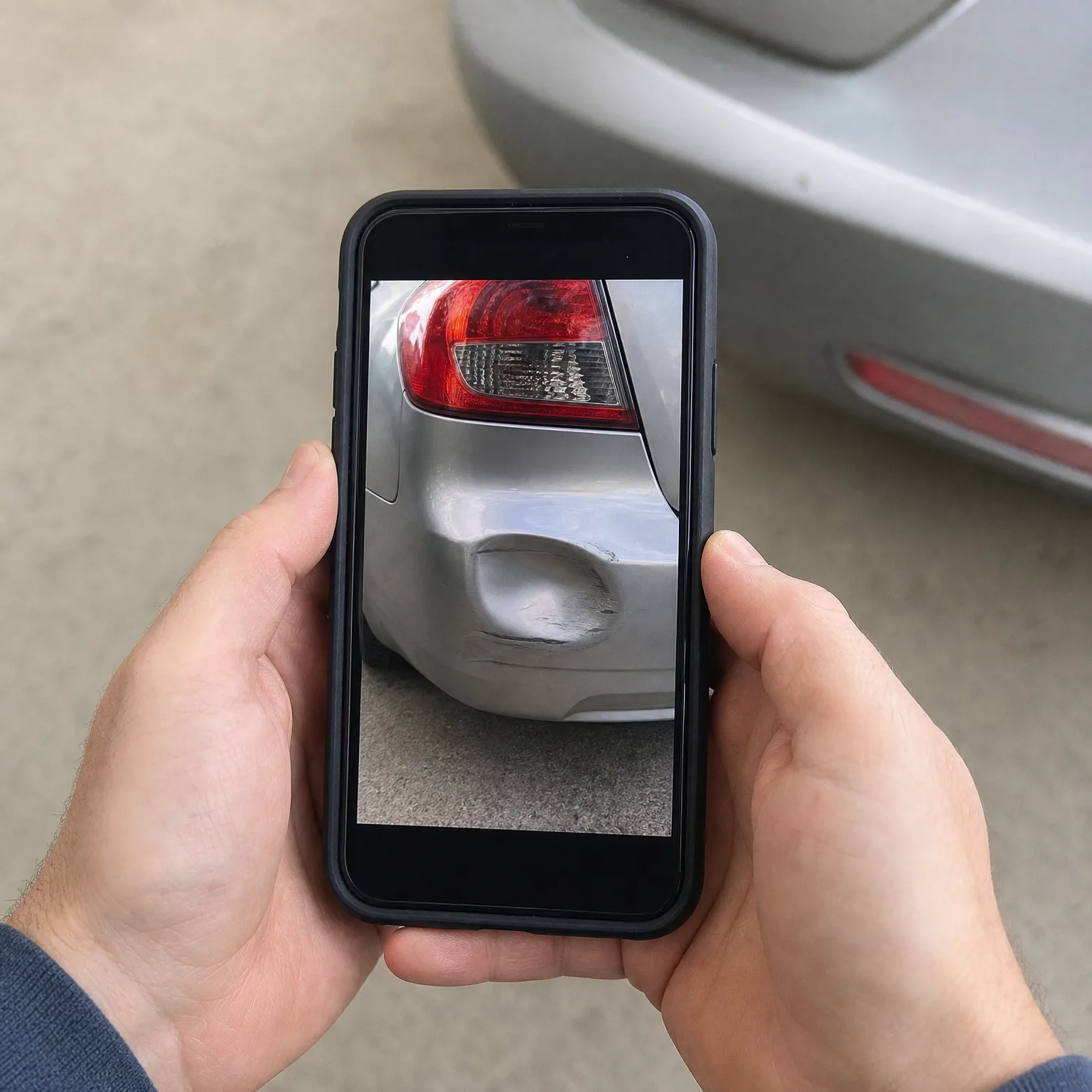
You're stopped at a light when another driver rear-ends you. The damage looks moderate, nothing dramatic, but the trunk won't close and there's a persistent rattle. You exchange information, file a police report, and call the other driver's insurer to start a claim. Within a day an adjuster calls wanting a recorded statement about how the accident happened and asking what you were doing right before impact.
You answer basic facts but decline to speculate about speed or distance, and you ask for everything in writing afterward. The adjuster's first repair estimate comes in low, missing the trunk latch and the rattle entirely. You get an independent estimate from your own mechanic that catches both, submit it, and the insurer revises its offer upward after some back and forth. Meanwhile your rental approval is delayed almost a week, so you loop in your own insurer, who fronts a rental under your policy while the other side sorts out their paperwork. The claim eventually settles for the higher estimate, and your insurer recovers its rental cost from the at-fault insurer directly, so you're not left chasing that money yourself.
The first offer is a starting point, not a verdict, and you're allowed to push back on all of it.