Rental Cars When You Are Not at Fault
When the other driver is at fault, their insurer should pay for your rental while your car is fixed or replaced.
The at-fault insurer owes you a comparable car for a reasonable time
When someone else causes an accident, their liability coverage is meant to put you back where you were before the crash happened. That includes paying for a rental car while yours is being repaired or while a total loss is being settled. The reasoning is simple. You shouldn't have to pay out of pocket, or go without a car, because of someone else's mistake.
The catch is that the other insurer controls the pace and the amount. They decide how long is reasonable for repairs, and what kind of car counts as comparable to yours. If your car is a total loss, rental coverage usually ends once they make a settlement offer, even if you haven't accepted it yet. That's one of the more common points of friction, because repair delays or parts shortages can stretch things out longer than the insurer wants to pay for.
This is also where your own policy matters, even though you weren't at fault. If you have rental reimbursement coverage through your own insurer, you can use it right away instead of waiting on the other side to approve anything. Your insurer then seeks reimbursement from the at-fault insurer later. This is often faster, and it keeps you from being stuck without a car while liability gets sorted out.
State rules about how long an insurer must provide a rental, and what documentation they can require, vary. Check your state's insurance department guidance or ask your own agent what applies where you live, especially if the other insurer is pushing back or slow to respond.
What decides whether you get a rental and for how long
- Fault has to be established The at-fault insurer usually won't pay for a rental until they've accepted liability. If fault is still being investigated, ask about using your own rental coverage in the meantime.
- Comparable car, not any car You're entitled to a car similar to yours, not an upgrade. If they offer something smaller or lower trim than what you drove, ask them to explain why.
- Repair time sets the clock Rental coverage typically lasts as long as repairs reasonably take. Keep your shop updated on parts delays so the insurer has documentation if time runs long.
- Total loss changes the deadline If your car is declared a total loss, the rental usually stops once a settlement offer is made, not when you accept it. Negotiate the payout promptly to avoid a gap.
- Own coverage can bridge gaps If you have rental reimbursement on your own policy, use it immediately rather than waiting for the other insurer to approve a rental. Your insurer recovers the cost later.
Knowing how rental coverage works when you're not at fault, compare quotes with solid rental reimbursement built in.
A slow repair shop and a rental that almost ran out
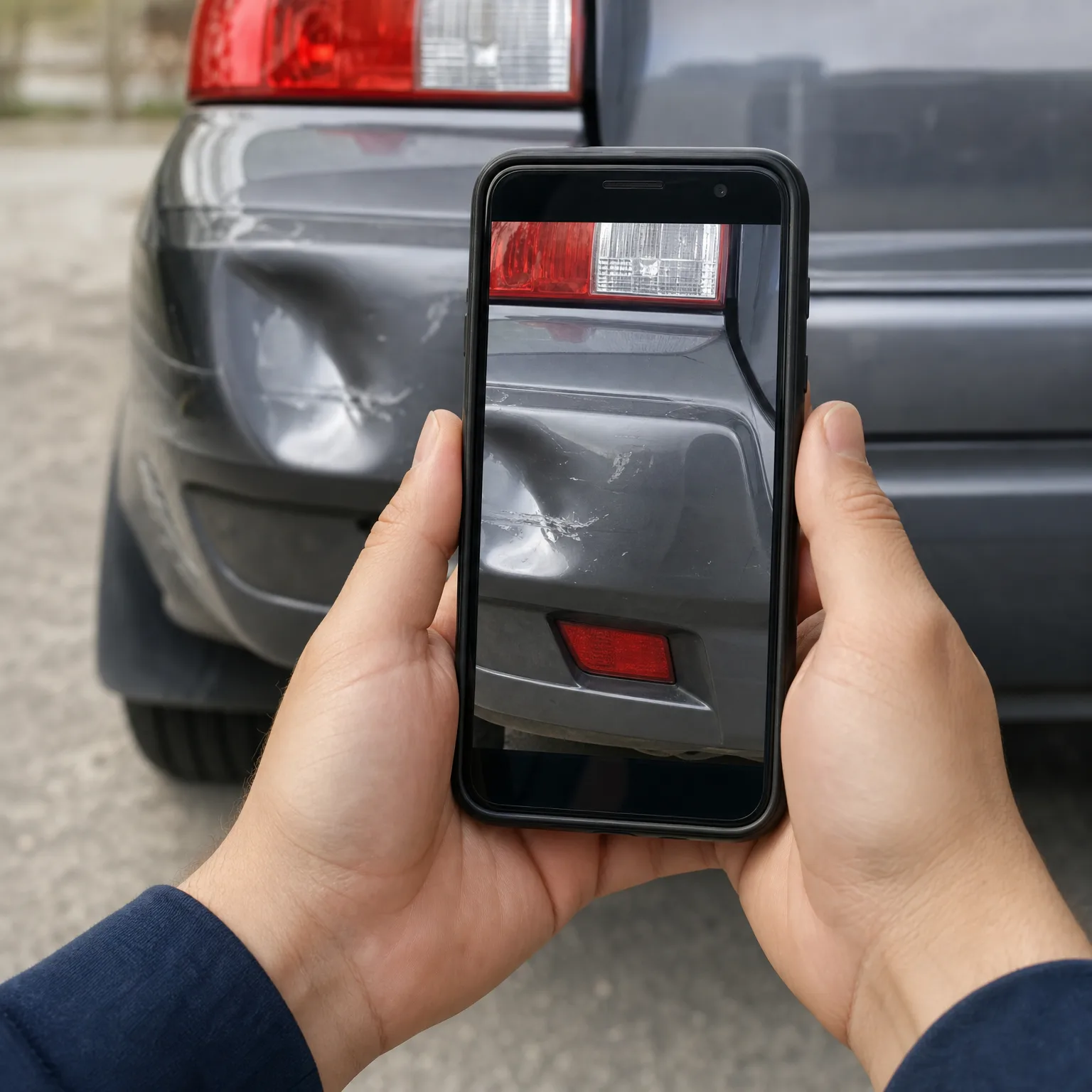
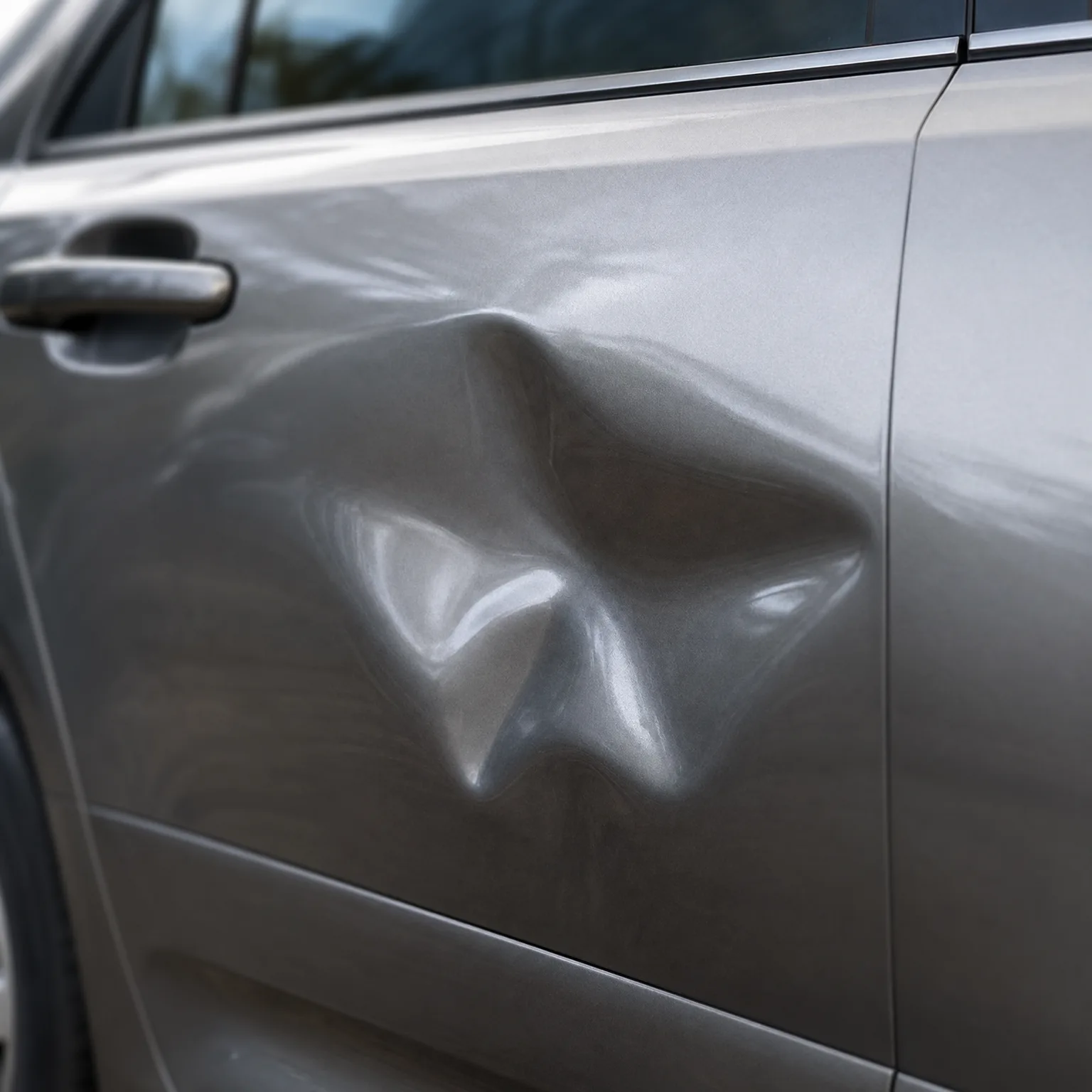
Someone rear-ended a driver at a stoplight, clearly their fault, and the police report backed that up. The at-fault insurer accepted liability within a few days and authorized a rental car comparable to what she drove. But the body shop found a parts delay once they opened up the bumper and rear panel, and the repair stretched well past the original estimate. The insurer's rental authorization was tied to the original timeline, not the delay.
She called the adjuster, explained the parts backorder, and asked the shop to send written documentation of the delay directly to the insurer. The adjuster extended the rental coverage once they had that paperwork in hand. She also kept her own rental reimbursement coverage as a backup, in case the extension was denied, which gave her a plan either way. In the end she kept the rental the entire time her car was in the shop, and the only cost to her was the few days before the shop's delay was documented in writing.
The other insurer sets the pace, so get any delay in writing to keep your rental from ending early.
Does the at-fault insurer have to give me the same kind of car I drive?
They have to give you a comparable car, meaning similar size and type, not an exact match or an upgrade. If you drive a truck or SUV, ask specifically for that category rather than accepting whatever is available. If they offer something clearly smaller or lower trim, point that out and ask them to adjust it. What changes the answer is your state's specific rules on this, so check with your state insurance department if you get pushback.
What if the other driver's insurance denies the claim or is slow to respond?
Use your own rental reimbursement coverage if you have it, rather than waiting on the at-fault insurer to act. Your insurer pays you directly and then seeks reimbursement from the other side later. This avoids being without a car during a dispute over fault or a slow adjuster. If you don't have that coverage, ask your own insurer what other options exist, since waiting without a plan can cost you time and money.
Can I keep the rental after I accept a settlement for my totaled car?
Usually not for long. Rental coverage from the at-fault insurer typically ends once they make a settlement offer, even before you accept it, because that's when they consider the claim resolved. If you need more time to find a replacement car, ask explicitly for an extension and get it in writing. Whether they grant it depends on the insurer and sometimes your state's rules, so ask early rather than assuming you have time.