Can I Use My Insurance for My Rental
Yes, your own policy can cover a rental now, even though the crash wasn't your fault.
Your policy can move faster than someone else's
The other driver's insurer only owes you a rental once they've accepted fault and opened a claim. That can take time, especially if the facts are being reviewed or the adjuster hasn't reached a conclusion yet. While that's pending, your own policy can step in immediately if you have rental coverage, because you're not waiting on anyone else's decision.
Using your own coverage doesn't mean you're giving up your right to recover from the other driver. It's a separate path that runs alongside the third-party claim. Once fault is settled, your insurer can seek reimbursement from the other side, a process called subrogation, and any amount you paid out of pocket toward the rental can often be recovered too.
The tradeoff is that your policy has to actually include rental coverage, and it may have daily or total limits that don't match what the other insurer would offer once they accept the claim. If your limits are lower, you might need to pay the difference upfront and get reimbursed later, or negotiate directly with the at-fault insurer for a higher-tier vehicle.
In cases where fault is clear and the other insurer has already accepted it, going straight to their claim can save you the hassle of switching coverage or filing paperwork twice. But when fault is disputed, when the other driver is slow to respond, or when you simply need a car today, your own insurance is often the quickest way to stay mobile while everything else gets sorted out.
A rejected claim that got resolved by switching lanes
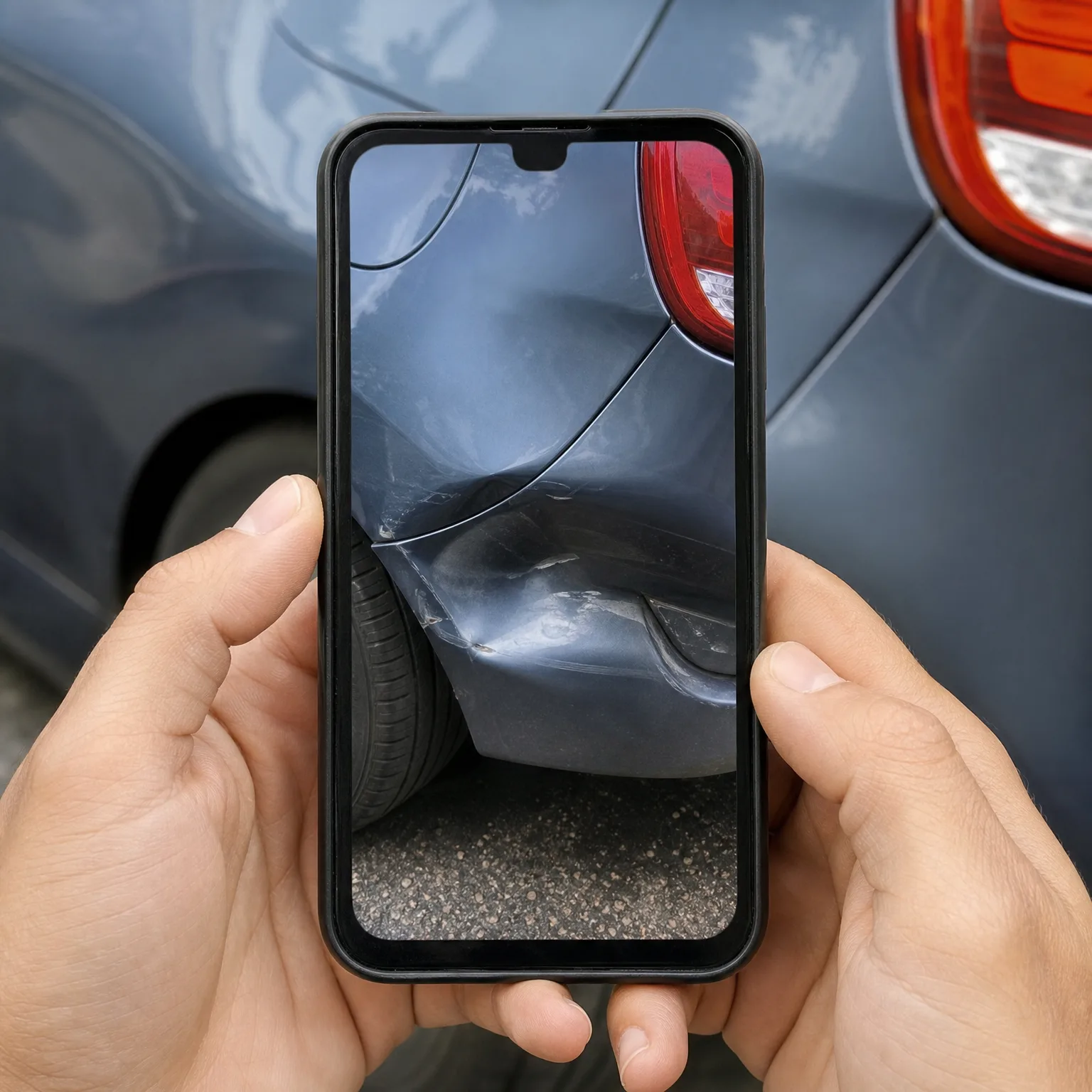
Someone rear-ended you at a light, and their insurer took over a week to confirm liability. Without a car, you couldn't get to work, so you called your own insurer and opened a claim under your rental coverage. They approved a rental within a day, using the daily limit on your policy, and you picked up a car from a nearby location that same afternoon.
A few days later, the other insurer accepted fault and offered to take over the rental going forward. You switched the reservation to their billing and returned to your insurer the cost of the days you'd already covered. In the end, you drove the entire time without a gap, and your insurer was reimbursed in full once liability was settled, so none of it touched your record or your premium.

Compare rental coverage options now so you're covered the moment you need a car, no matter who pays first.
What to check before you decide which policy to use
- Rental coverage on your policy Check if your policy includes rental reimbursement and what the daily and total limits are. Without this coverage, you'd need to pay out of pocket and seek reimbursement later.
- Status of the other claim Ask the at-fault insurer if they've accepted liability yet. If they haven't, your own coverage can get you moving sooner without waiting on their decision.
- Subrogation and reimbursement Your insurer can recover rental costs from the at-fault insurer once fault is confirmed. Keep receipts and claim numbers so reimbursement goes smoothly.
- Vehicle class and upgrade costs Your policy may only cover a basic rental class, while the at-fault insurer might match your damaged car more closely. Ask about upgrade costs before you commit to one option.
- Switching mid-rental if needed You can start with your own insurance and switch billing to the other insurer later. Confirm with the rental company how they handle a mid-rental change in payer.
Waiting for the other insurer to decide isn't the only way to get a car. Your own policy can move first.
Will using my own insurance for a rental raise my rates?
No, not if the claim is properly linked to an accident where you weren't at fault. Insurers generally don't penalize you for claims where another driver is found liable, since the cost gets reimbursed through subrogation. Still, ask your insurer directly how they classify this type of claim, since practices can vary. If you're unsure, request written confirmation that the claim won't be rated against you before you file it.
What happens if the at-fault driver has no insurance?
Then you'd typically rely on your own policy, including uninsured motorist coverage if you have it, since there's no other insurer to pay. Rental coverage under your own policy would likely be your only option in that case. Check whether your uninsured motorist coverage includes rental reimbursement specifically, since not all policies bundle the two together. This situation also changes how repairs get paid, so ask your insurer about that at the same time.
How long will the rental car coverage last?
It depends on your policy's daily limit and total cap, or on how long the at-fault insurer agrees to pay once they accept the claim. Rentals are generally meant to cover the time your car is being repaired or until a replacement value is settled. Ask whichever insurer is paying what triggers the end of coverage, since delays in repairs or parts can extend that timeline and you'll want to know who covers the gap.