When Does Inherent Diminished Value Occur
It occurs the instant your car is professionally repaired after an accident, not later and not because of any flaw in the work.
The loss happens at the point of repair, not before or after
Inherent diminished value exists because buyers treat a repaired car differently than one that was never damaged, even when the repair is flawless. The moment a body shop finishes the work, your car carries a history it didn't have before. That history follows the vehicle through a title check or a vehicle history report, and it shapes what someone is willing to pay for it later.
This is why the loss isn't tied to how the repair looks or how well it drives. You can have a repair that's invisible to the eye and still have a car worth less than an identical one with no accident history. The value gap comes from the record of the accident existing at all, not from anything you can see or feel when you drive it.
The timing matters because it sets what you're owed and when you can claim it. The loss is already locked in once repairs are complete, so you don't need to wait and see how the car performs over time. Some claims get filed too late because the owner assumed the car had to show a problem first, but the problem isn't mechanical. It's the market's reaction to the car's history.
What varies is how each state and each insurer defines and calculates this loss, and whether they recognize it at all for certain situations, like leased vehicles or very minor repairs. Check your state's rules and the at-fault driver's insurance policy language before you assume a claim will be handled the same way it would be somewhere else.
How do I prove my car lost value after the repair?
You prove it mainly through a independent appraisal that compares your car's value against a similar car with no accident history. This appraisal typically looks at the car's make, model, age, mileage, and the nature of the repair, then estimates the gap a buyer would factor in.
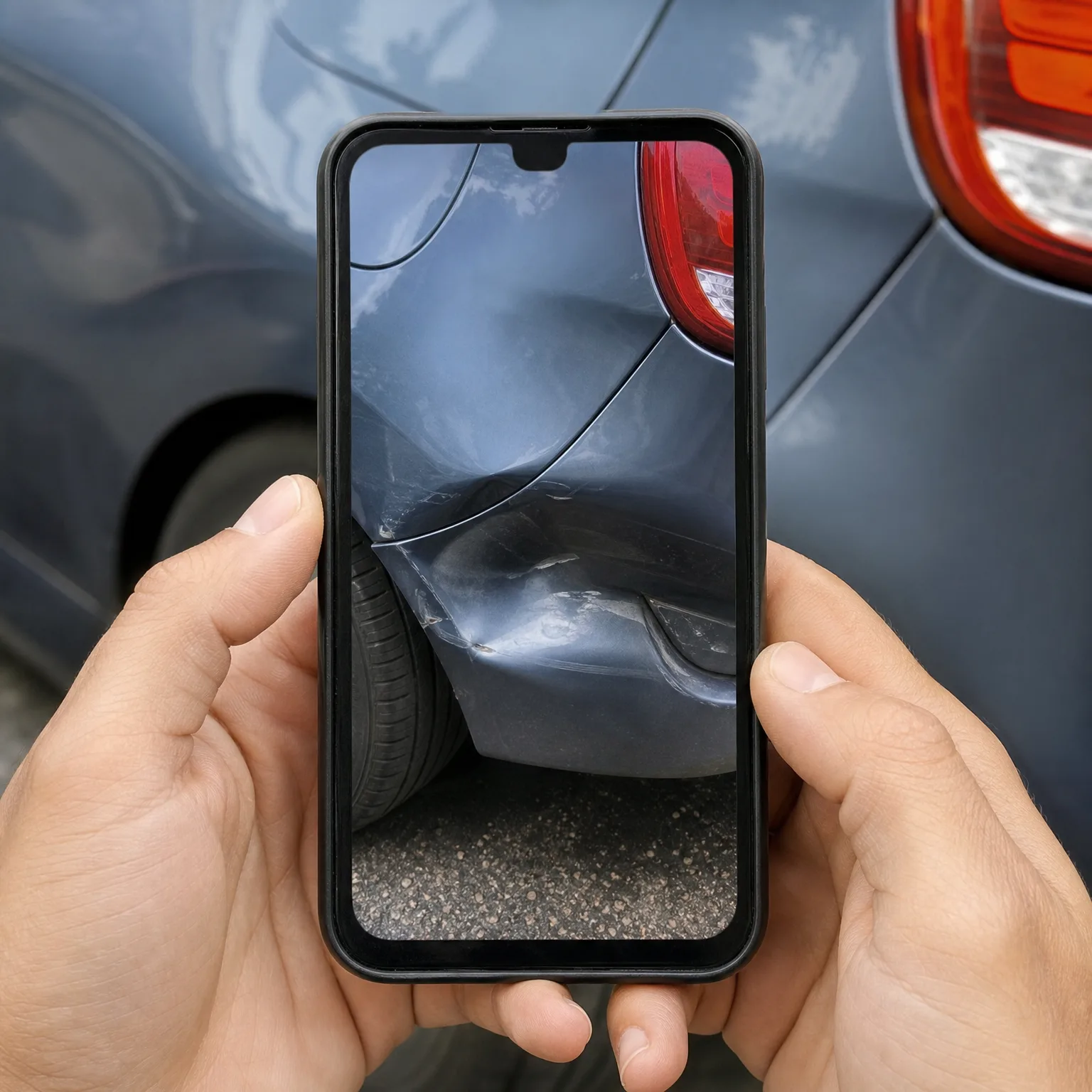
Some owners also gather dealer quotes or trade-in offers before and after the accident to show a real-world difference. Documentation of the repair itself, including photos and the shop's invoice, supports the claim by showing exactly what was done. The stronger and more specific your evidence, the harder it is for an adjuster to dismiss the loss as speculative.

Knowing your car lost value at the moment of repair, compare quotes with that loss already factored in.

Filing for diminished value now versus waiting
If you do
You file while the repair records and accident details are fresh, and the at-fault insurer still has an open claim file. Your appraisal reflects accurate mileage and condition. You avoid the risk of state deadlines closing the door on a legitimate claim you were entitled to from day one.
If you don't
You risk running past the window your state allows for this kind of claim, since the clock often starts at the time of the accident or repair, not when you decide to act. The car keeps losing relevance to the original damage as mileage and time pass, making your case harder to support later.
A repaired car that still sold for less
Someone's car was hit in a parking lot by a driver who admitted fault. The shop repaired the bumper and door perfectly, and the car ran and looked like nothing had happened. A few months later, the owner decided to trade it in and was surprised when the dealer's offer came in lower than a similar car with no accident on record. The dealer explained that the vehicle history report would show the claim, and that buyers and dealers alike price that in.
The owner then got an independent appraisal that compared the repaired car to a clean equivalent, which documented the dollar gap. They submitted that appraisal to the at-fault driver's insurer along with the repair invoice and photos. The insurer initially pushed back, arguing the repair was flawless, but the appraisal made clear the loss wasn't about the quality of the work. The claim was eventually paid, though it took persistence and a willingness to negotiate past the first offer.
The loss already happened the day the repair was finished, so don't wait for a sign of trouble to claim it.