Diminished Value Claims
Your car can be worth less even after a perfect repair, and the at-fault driver's insurer owes you that difference if you ask for it.

A rear-end collision that left the car fixed but worth less
Someone rear-ended a reader's two-year-old car at a stoplight. The other driver's insurer paid for the repair, new bumper, new trunk panel, fresh paint, and the shop did good work. The car drove fine and looked fine. But when the reader priced trade-in values a few months later, dealers offered less than they would have for an identical car with no accident history, because the title and repair record now followed the car.
The reader filed a diminished value claim directly with the at-fault driver's insurance company, separate from the repair claim. They got an independent appraisal that compared the car's value before and after the accident, using sale prices of similar cars with and without accident records. The insurer pushed back with a lower number at first, but the appraisal gave the reader something concrete to negotiate against, and they settled for an amount between the two figures. The payout arrived as a separate check, months after the repair was finished.
How much is my car's diminished value actually worth?
There's no fixed number, because it depends on your car's age, mileage, the severity of the accident, and how much value similar cars lose once they carry an accident record. A independent appraiser compares sale prices of comparable cars with clean histories against ones with repaired accident damage, and the gap between those prices is your claim.
Newer cars with low mileage tend to lose more value in dollar terms, because buyers expect them to be pristine. Older or higher-mileage cars may show a smaller gap, since buyers already discount for wear. Check whether your state allows diminished value claims against at-fault drivers and whether it limits them to certain accident types, since this varies and affects what you can recover.

Filing a diminished value claim versus letting it go
If you do
You get an independent appraisal, submit a written claim to the at-fault driver's insurer, and negotiate using real sale data. It takes time and some paperwork, but you recover money the repair claim never covered. Many people don't know this exists, so insurers rarely offer it first.
If you don't
You keep the repaired car but absorb the resale or trade-in loss yourself whenever you sell it. The insurer pays nothing beyond the repair bill. If you plan to keep the car for years and never sell it, this loss may never show up in your pocket at all.
Now that you know what your claim could recover, compare quotes to see your next policy protects you as well.
What to do before filing a diminished value claim
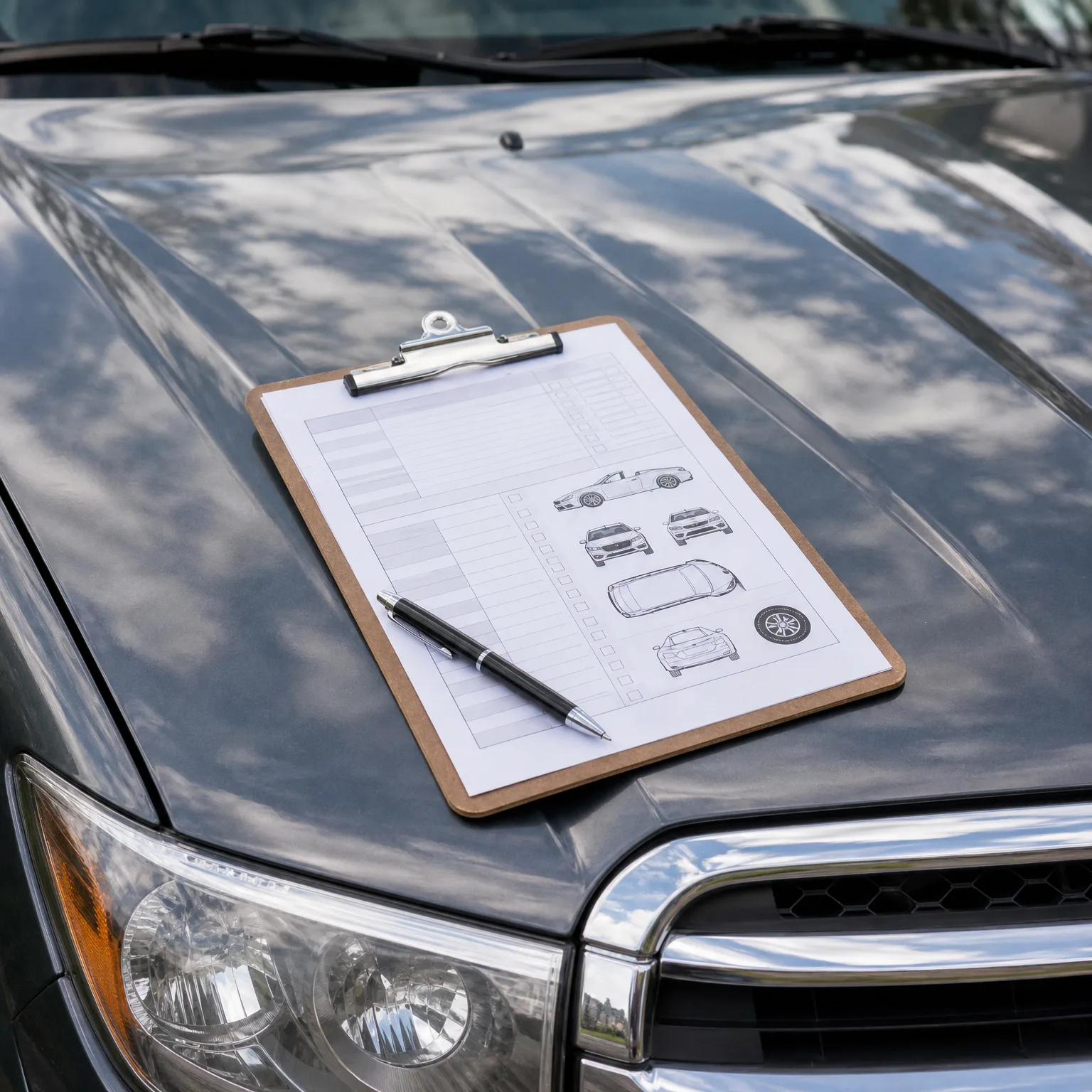
- Get the repair finished first Insurers won't evaluate diminished value until repairs are complete, since the appraisal needs the final repaired condition to compare against the pre-accident value.
- Order an independent appraisal Don't rely on the insurer's number alone. A independent appraiser who specializes in vehicle valuation gives you a figure you can defend in negotiation.
- File it as a separate claim Diminished value is not part of the repair estimate. Submit it in writing to the at-fault driver's insurer as its own claim, with your appraisal attached.
- Keep every record Save the repair invoice, before and after photos, and the appraisal report. These documents are what support your number if the insurer disputes it.
- Check your state's rules Some states limit or restrict diminished value claims, especially against your own insurer. Confirm what applies where you live before you file.
A repaired car isn't a whole car again, and the insurer owes you for that gap if you claim it.
Can I claim diminished value from my own insurance company?
Usually not in the same way, because most policies don't cover diminished value on your own claims, and some states restrict or prohibit these claims against your own insurer entirely. Diminished value claims are typically filed against the at-fault driver's insurer instead, since you're recovering a loss they caused. Check your policy and your state's rules, since this varies and some states do allow first-party diminished value claims under specific conditions.
Does diminished value apply if I lease my car instead of own it?
It can, but who receives the payout depends on your lease terms, since the leasing company technically owns the vehicle. Some leases let you file the claim and keep the payout, others require it go toward the lease or to the leasing company directly. Read your lease agreement or ask the leasing company before you file, since this detail changes who benefits from the claim.
How long do I have to file a diminished value claim?
It depends on your state's statute of limitations for property damage claims, which varies and isn't the same everywhere. Filing soon after repairs finish is wise regardless, since appraisers need current information and insurers may view delayed claims with more skepticism. Check your state's specific deadline before deciding to wait, since missing it means losing the claim entirely no matter how strong your case is.