What Does Uninsured Property Damage Mean
It means the driver who hit you has no insurance to pay for your car, so you have to use another path to get paid.
Why this label changes who pays and how
When another driver is at fault, their liability coverage is normally what pays for your car. That coverage belongs to them, not you, and it exists specifically to cover damage they cause to other people's property. When that coverage doesn't exist, the normal path closes and you need a different one.
Most drivers carry some liability coverage because it's required almost everywhere, but required doesn't mean universal. Some drivers let coverage lapse, some never had it, and some have coverage that doesn't apply to the crash for reasons tied to their policy. Any of these can leave you facing a driver who is legally at fault but has nothing behind them to pay.
This is where your own policy can matter even though you didn't cause the crash. Many policies include a coverage built for exactly this gap, meant to step in when the responsible driver can't pay for the damage. Whether you have it, and how it works, depends entirely on what you bought and what your state allows insurers to offer.
If you don't have that coverage, your options narrow to your own collision coverage, if you have it, or pursuing the other driver directly for payment. Pursuing a driver with no insurance often means pursuing someone with limited money too, which is why insurers built a coverage for this situation in the first place. What you can actually recover depends on your policy and your state, so check both before deciding how to move forward.
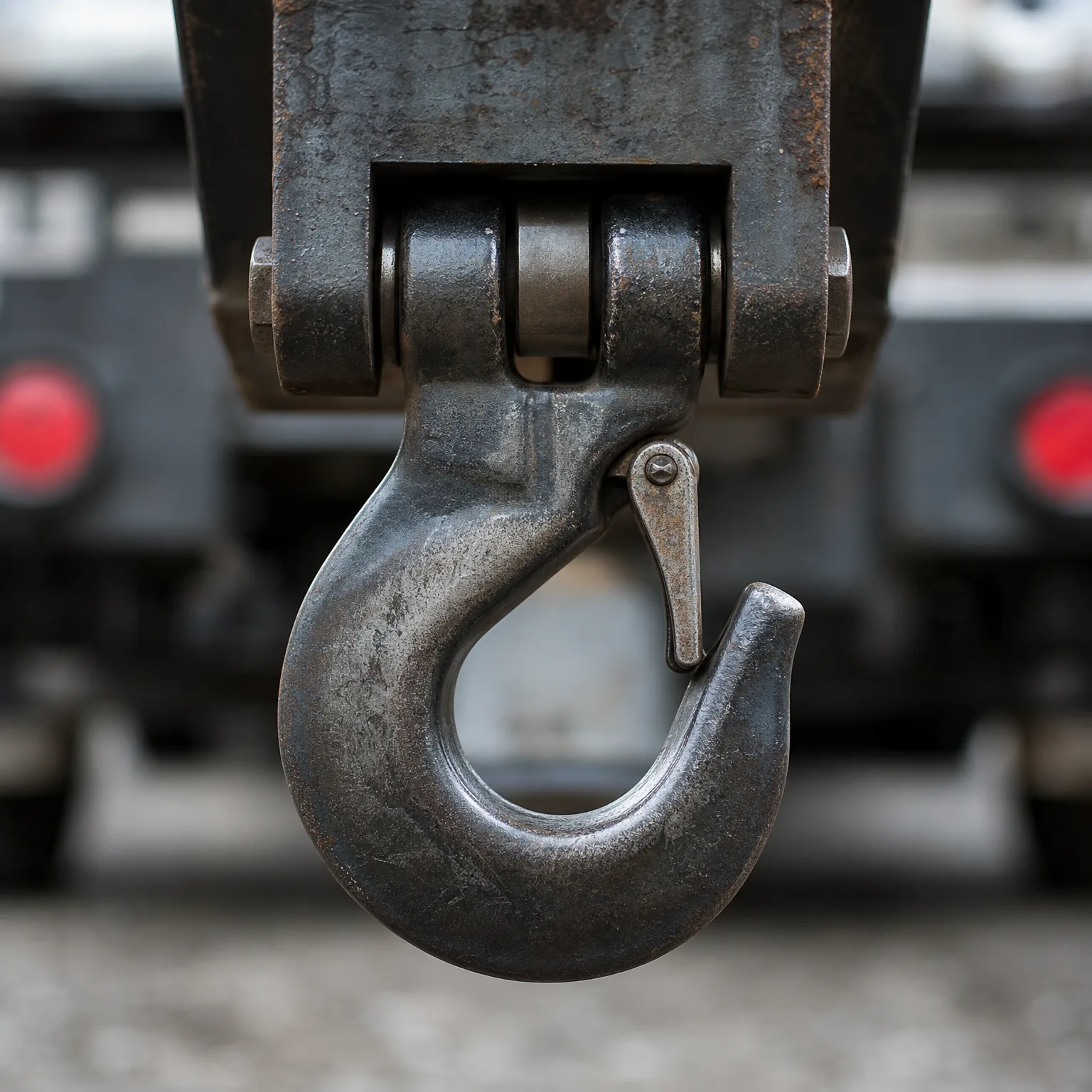
A driver with no insurance totals your car
You're stopped at a light when another car hits you from behind. The police report names the other driver at fault, but when you call their insurance number, it turns out to be disconnected. Their policy lapsed months earlier and they never told anyone. The adjuster you eventually reach, from your own insurer, confirms there's no liability coverage to file against.
You check your policy and find you have the coverage meant for this exact situation. You file a claim through that coverage instead, treating your insurer as the one who pays even though you weren't at fault. The repair estimate comes in, your insurer pays it under that coverage, and the only cost to you is whatever deductible applies to that part of your policy. If you hadn't carried it, your remaining option would have been your own collision coverage or trying to collect from the driver directly, which is often far slower and less certain.
Once you know how an uninsured driver's damage gets paid, compare quotes for coverage that actually closes that gap.
Checking your policy for this coverage before you need it
If you do
You find out now whether you have coverage for an uninsured driver's damage, and what deductible applies. If it happens, you already know who to call and what to expect, and you can file immediately instead of researching options while your car sits damaged.
If you don't
You find out only after the crash, if at all. If your policy doesn't include this coverage, your only paths become your own collision coverage or chasing an uninsured driver for money they may not have, both slower and less certain than filing a claim you already understood.
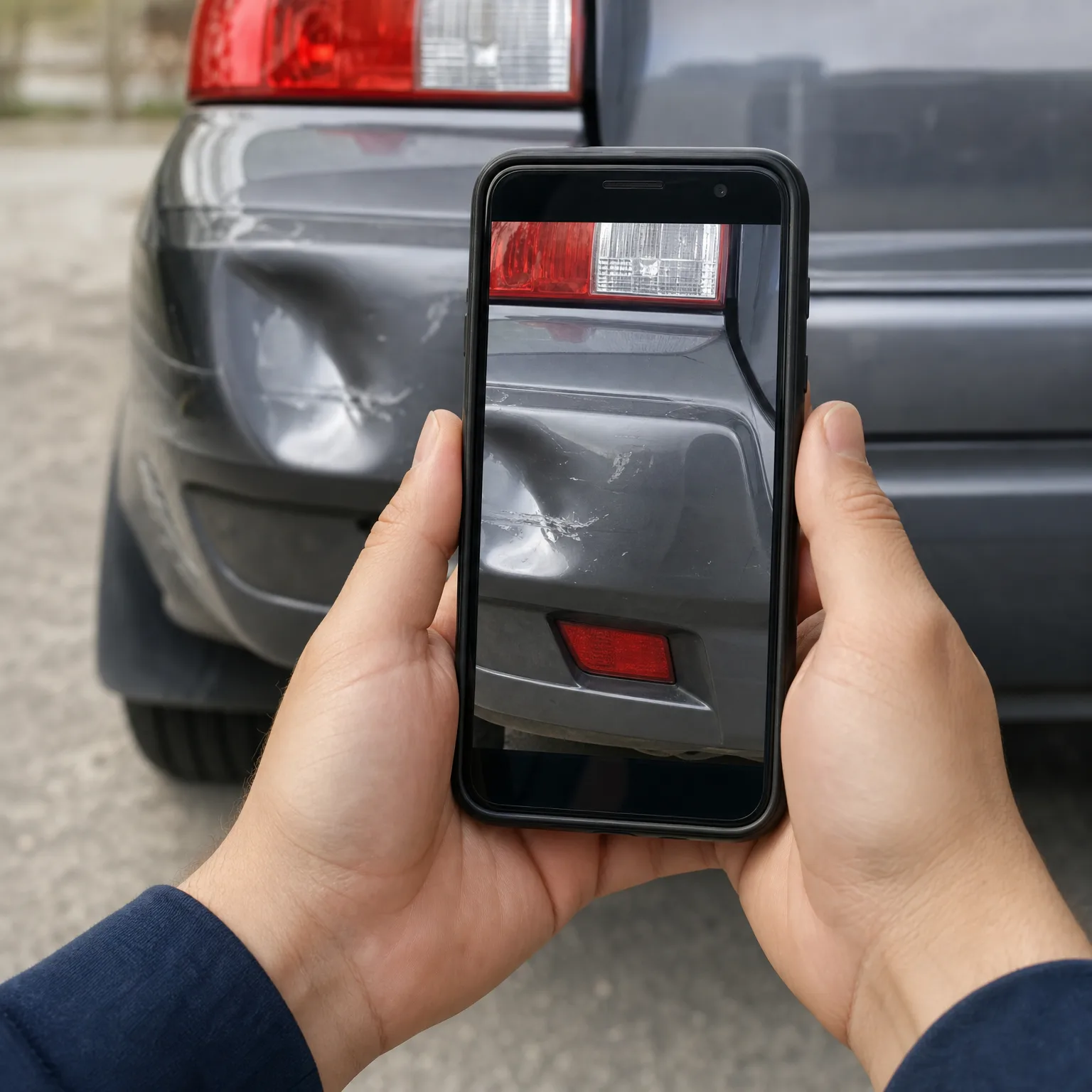
What to check once you hear this term
- Confirm their coverage Don't assume their insurance exists just because they gave you a card. Call the company directly to confirm the policy is active and covers this claim.
- Check your own policy Look for a coverage meant to pay when the at-fault driver can't. Not every policy includes it, and in some states insurers must offer it unless you decline in writing.
- Know your deductible This coverage often has its own deductible, separate from collision. Find that number in your policy before you file, so the payout isn't a surprise.
- Use collision as backup If you don't have the uninsured coverage, your own collision coverage can still pay to fix your car. You'd pay that deductible instead, and your insurer may try to recover it later.
- Weigh pursuing the driver You can sue an uninsured driver for the damage, but collecting often depends on whether they have money or assets. This is usually slower than an insurance claim.
Being right about fault doesn't guarantee payment. What matters is whether someone carries coverage for this.