Does Uninsured Motorist Insurance Cover Hit and Run
Yes, your uninsured motorist coverage is built for exactly this, including a driver who fled the scene.
Why your own policy picks this up
A hit and run leaves you with no at-fault driver to bill, since there's no one identified to make a claim against. Insurers created uninsured motorist coverage for this gap. It treats an unidentified driver the same as one who carries no insurance at all, because from a claims standpoint you're in the same position either way. You have damage and no one to collect from directly.
This coverage pays for injuries in every state that offers it, and in many states it also pays for damage to your car, though that part sometimes sits in a separate piece of your policy or requires you to carry collision coverage too. Check your declarations page or ask your insurer directly which parts apply to vehicle damage versus injuries, since this is one of the places where policies genuinely differ.
The reasoning underneath this coverage is simple. You paid for protection against drivers who can't or won't pay you back, and a driver who disappears is the clearest version of that risk. Your insurer still investigates the claim, but they're investigating what happened to your car and body, not chasing down a person to blame.
Where this plays out differently is when you lack solid proof a hit and run actually happened. If there's no police report, no witness, and no physical evidence like paint transfer or debris, some insurers will push back harder before paying. That's not a reason to assume you're uncovered, but it is a reason to document everything you can at the scene.
What to do to get this claim paid
- Call police right away A police report is often required proof for this type of claim. File one at the scene or as soon as safely possible, even if the damage looks minor.
- Check your declarations page Confirm whether your uninsured motorist coverage includes property damage or only injuries. If it's injuries only, your collision coverage may need to cover the car.
- Photograph everything Get pictures of your car, the scene, and any paint or debris left behind. This evidence matters more here since there's no other driver to confirm what happened.
- Watch for a deductible Depending on which coverage pays, you may owe a deductible before repairs are covered. Ask your insurer which one applies before you commit to a repair shop.
- Report it quickly Many policies set a window for reporting hit and run claims. Call your insurer as soon as you can instead of waiting to see if the other driver turns up.
What if the other driver is never found?
Your claim doesn't depend on finding them. Uninsured motorist coverage exists precisely for situations where there's no driver to pursue, so an unsolved hit and run is still a valid claim as long as you have reasonable proof it happened.
That proof is usually a police report filed close to the time of the incident, along with photos of the damage and the scene. Some insurers also want a written statement from you describing exactly what happened. If a witness saw it, their account helps too. Your insurer may ask follow-up questions, but that's standard claims handling, not a sign they doubt you. Keep copies of everything you submit and the report number from police in case they need to reference it later.
Now that you know this coverage protects you, compare quotes to keep it solid in your next policy.
A parking lot hit and run
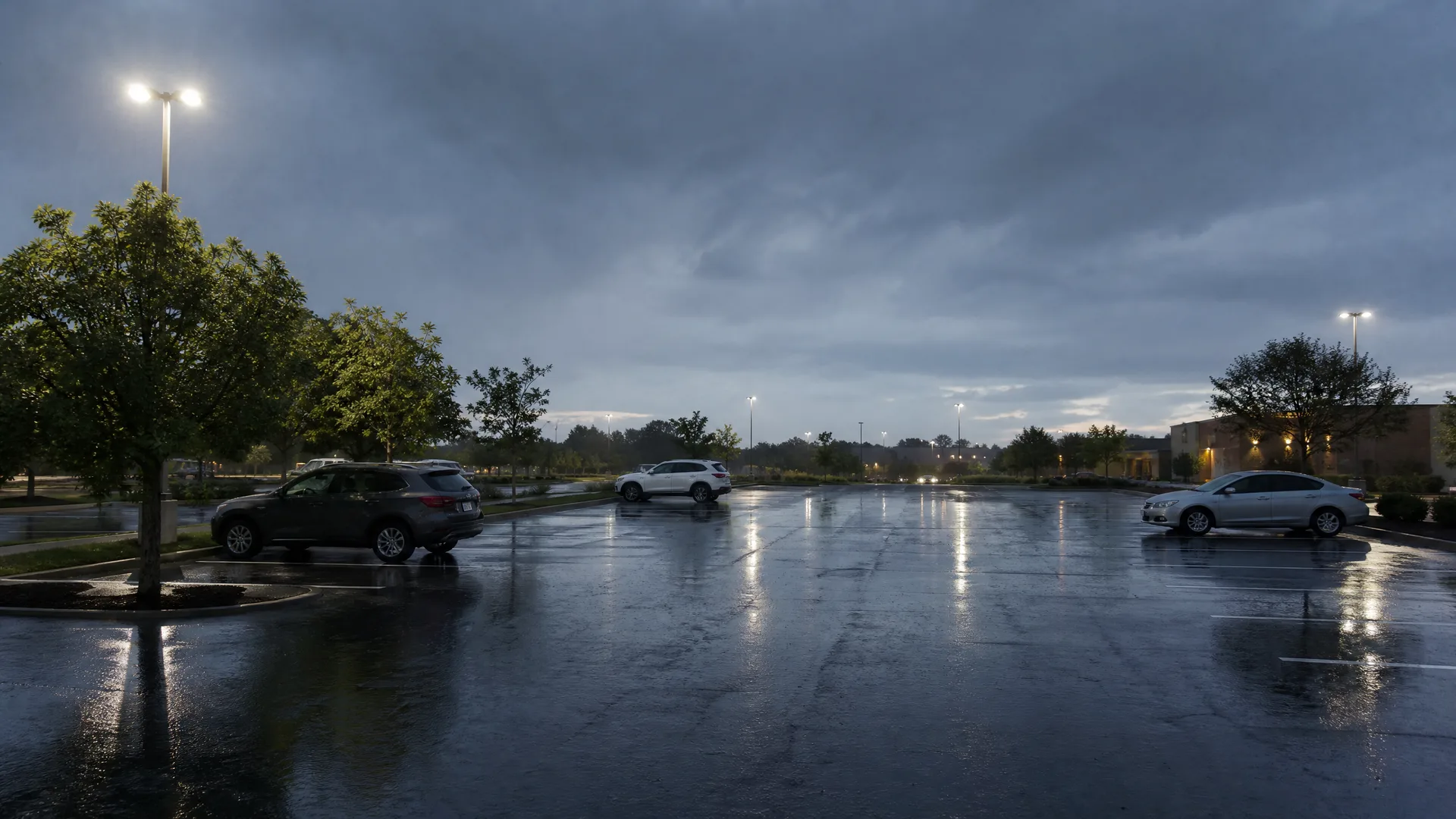
You come back to your car after running an errand and find the driver's side door dented and scraped, with no note and no witness in sight. You call the police to file a report, take photos of the damage and the empty parking spot, and notice a streak of paint that isn't your car's color on the dented panel. You photograph that too.
You call your insurer the same day and give them the police report number along with your photos. They confirm your policy includes uninsured motorist property damage coverage and explain the deductible that applies. An adjuster reviews your claim within the following days, and because you have the report and clear photo evidence, they approve the repair without pushing back on whether the incident happened. You pay your deductible, get the car repaired, and never have to track down the other driver yourself.
You don't need to find the other driver to get paid. Your own coverage was built for exactly this gap.