Who Pays When an Uninsured Driver Hits You
If the other driver has no insurance, your own uninsured motorist coverage is what pays, not theirs.
Your own policy steps in because there's no other insurer to pay
When another driver causes damage and carries no insurance, there's no insurance company on their side to file a claim against. You can still sue the driver directly, but most people without insurance also don't have money to pay a judgment, so that path rarely gets you paid. This is why uninsured motorist coverage exists. It sits on your own policy and pays you for losses caused by a driver who can't.
Uninsured motorist coverage usually splits into two parts, one for injuries and one for property damage, and not every state requires both. Some states make injury coverage mandatory and leave property damage optional or handled through a different route like collision coverage. Check your policy declarations page or ask your insurer which parts you actually carry, because this is one of the places where coverage varies a lot by state and by the choices you made when you bought the policy.
If you don't have uninsured motorist property damage coverage, your collision coverage can often still pay to fix your car, minus your deductible. The tradeoff is that collision coverage requires a deductible and uninsured motorist property damage sometimes doesn't, depending on your state and insurer, so which one applies can change what you actually owe out of pocket.
In rare cases the uninsured driver does have some assets worth pursuing through a lawsuit, and your insurer may support that if it helps them recover what they paid you. But that's the exception. For most people, the claim runs through their own insurer from the start, and understanding that early saves time spent waiting on a response that was never going to come.
What to check before you assume you're stuck paying
- Confirm the driver is uninsured Don't take their word for it. Ask the police report or your insurer to verify through the other driver's plate or license, because sometimes a driver who claims no insurance actually has it.
- Find your coverage limits Look at your declarations page for uninsured motorist bodily injury and property damage limits. If you're not sure what you have, call your insurer and ask directly before assuming you have none.
- Check collision coverage too If you don't have uninsured motorist property damage, collision coverage may pay for repairs instead. You'll likely owe a deductible, so compare which option costs you less.
- File a police report A police report documenting the crash and the other driver's lack of insurance supports your claim. Most insurers expect this before they'll pay out.
- Ask about a deductible waiver Some states or insurers waive the deductible for uninsured motorist property damage claims when the other driver is clearly at fault. It's worth asking before you pay anything.
Once you know how uninsured motorist coverage works, compare quotes to make sure your next policy actually has it.
A driver with no insurance backs into you at a stop sign
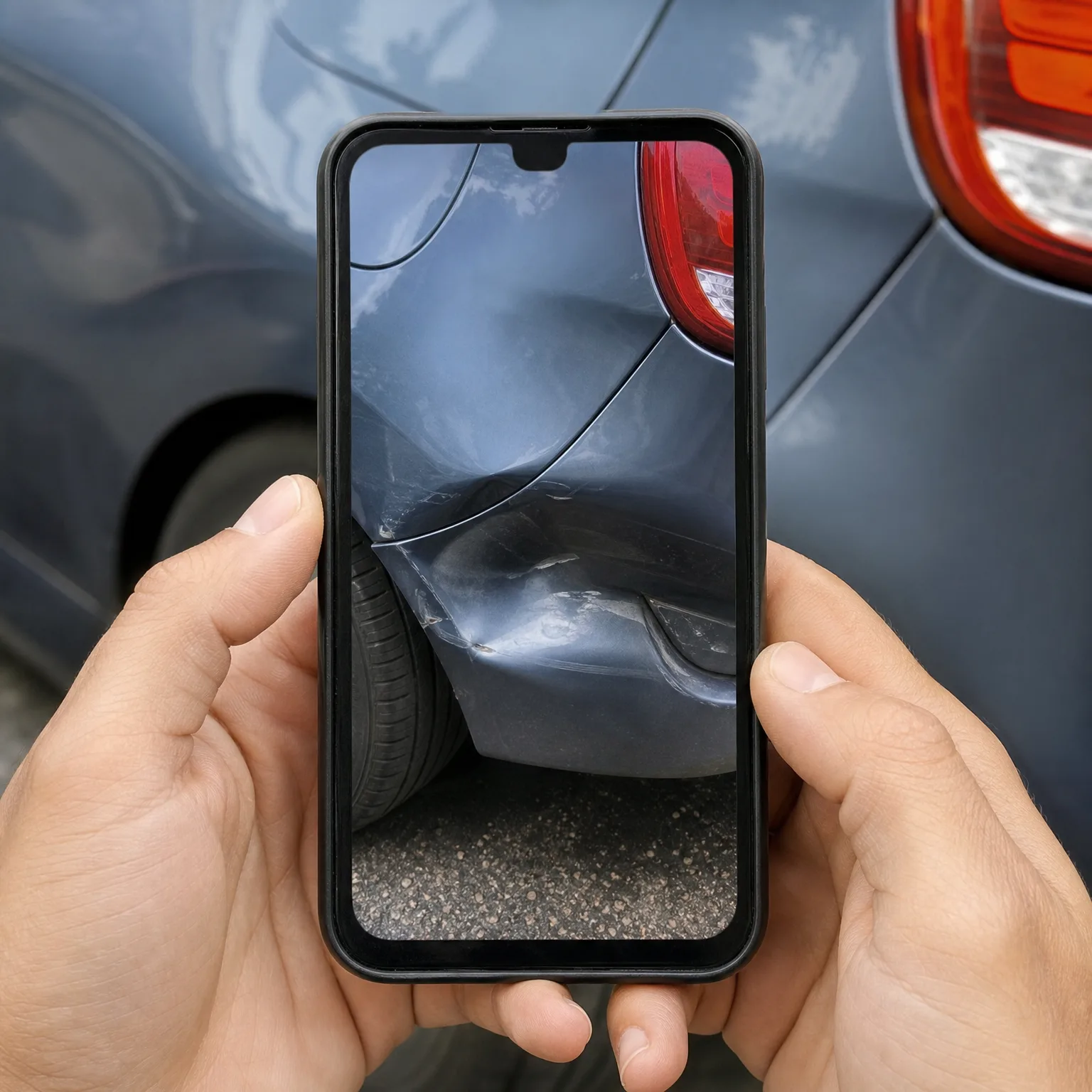
You're stopped at a sign when another car backs out of a driveway and hits your front bumper. The driver admits fault at the scene, but when you ask for their insurance information, they say they don't have any. You call the police to file a report, which confirms the other driver's name and that they have no active policy on file.
You then call your own insurer and open a claim under your uninsured motorist property damage coverage, since that's what your policy carries. An adjuster reviews the police report and your repair estimate, and because the report clearly shows the other driver was uninsured and at fault, your insurer pays for the repair after your deductible. Your rates aren't affected, since the accident wasn't your fault, though this can vary by insurer so it's worth confirming with yours directly.
The driver who hit you may owe you money, but your own policy is what actually gets you paid.
Will my insurance rates go up if I use uninsured motorist coverage?
In most cases, no, because the accident wasn't your fault. Insurers generally reserve rate increases for claims where you caused the damage, and uninsured motorist coverage exists specifically for situations where someone else is at fault but can't pay. Using it as intended usually doesn't carry the same consequence as an at-fault claim.
That said, this isn't guaranteed everywhere. Rules about what counts as a rate-affecting claim vary by state and by insurer, and a few insurers weigh any claim, regardless of fault, when setting future rates. Ask your insurer directly how they treat uninsured motorist claims before you file, so you know what to expect. If the answer matters a lot to you, it's also worth checking when you compare other insurers, since this is a real difference between them.