How to File a Hit and Run Claim
You file the claim with your own insurer under uninsured motorist or collision coverage, and report the crash to police right away.
Why your own insurer ends up handling it
When the other driver flees, there's no one to send a claim to. The insurance company that pays out is yours, not theirs, because the whole system depends on identifying who's at fault, and a driver who disappears can't be held to anything. Your policy is the backup for exactly this situation, which is why uninsured motorist coverage or collision coverage exists in the first place.
The police report matters more here than in an ordinary crash. Insurers treat a hit and run with more suspicion because there's no other driver to confirm your version of events, so the report is what establishes that this really happened the way you say. Filing it late or not at all makes your own insurer's job harder and can slow down or shrink what they pay.
Which coverage applies depends on what you carry and sometimes on state rules. Uninsured motorist property damage coverage, where it exists, is built for this and often comes with less out of pocket cost to you. Collision coverage works too but usually comes with a deductible you pay first. Some states require insurers to offer uninsured motorist coverage, others don't, so what you're actually entitled to depends on the policy you bought and the state you're in.
If the driver is later identified, maybe from a witness, a camera, or a license plate fragment, the case can shift into a normal third-party claim against them. Until then, your insurer carries the cost and may later try to recover it from the other driver if that driver is found.
Will filing this claim raise your rates even though it wasn't your fault?
It can, depending on your insurer and your state, even though you did nothing wrong. Some insurers treat any paid claim as a factor in future pricing, regardless of fault, while others specifically protect you from rate increases on uninsured motorist claims. This is exactly the kind of thing that varies by company and sometimes by state law.
Before you file, it's worth asking your insurer directly whether this type of claim affects your rate. If it does and the damage is minor, you may decide paying out of pocket makes more sense than filing. If the damage is significant, the protection the coverage gives you usually outweighs a possible rate change later.
You file against your own policy, not the other driver, so what you bought decides what you're owed.
Once you know what your policy covers for a hit and run, compare quotes to find better protection for next time.

Reporting the crash to police before you file
If you do
You get an official report that backs up your account, which your insurer will almost certainly ask for. It also creates a record that can lead to the driver being identified later, through a witness, traffic camera, or tip. This report is usually the single strongest piece of support your claim has.
If you don't
Your insurer has only your word for what happened, which makes a hit and run claim much harder to support. Some insurers may delay, question, or deny the claim without a report on file. You also lose the chance for police to track down the driver through any leads that exist right after the crash.

What to do right after a hit and run
- Call the police immediately A report filed at the scene or soon after carries more weight than one filed days later. Do this before contacting any insurer.
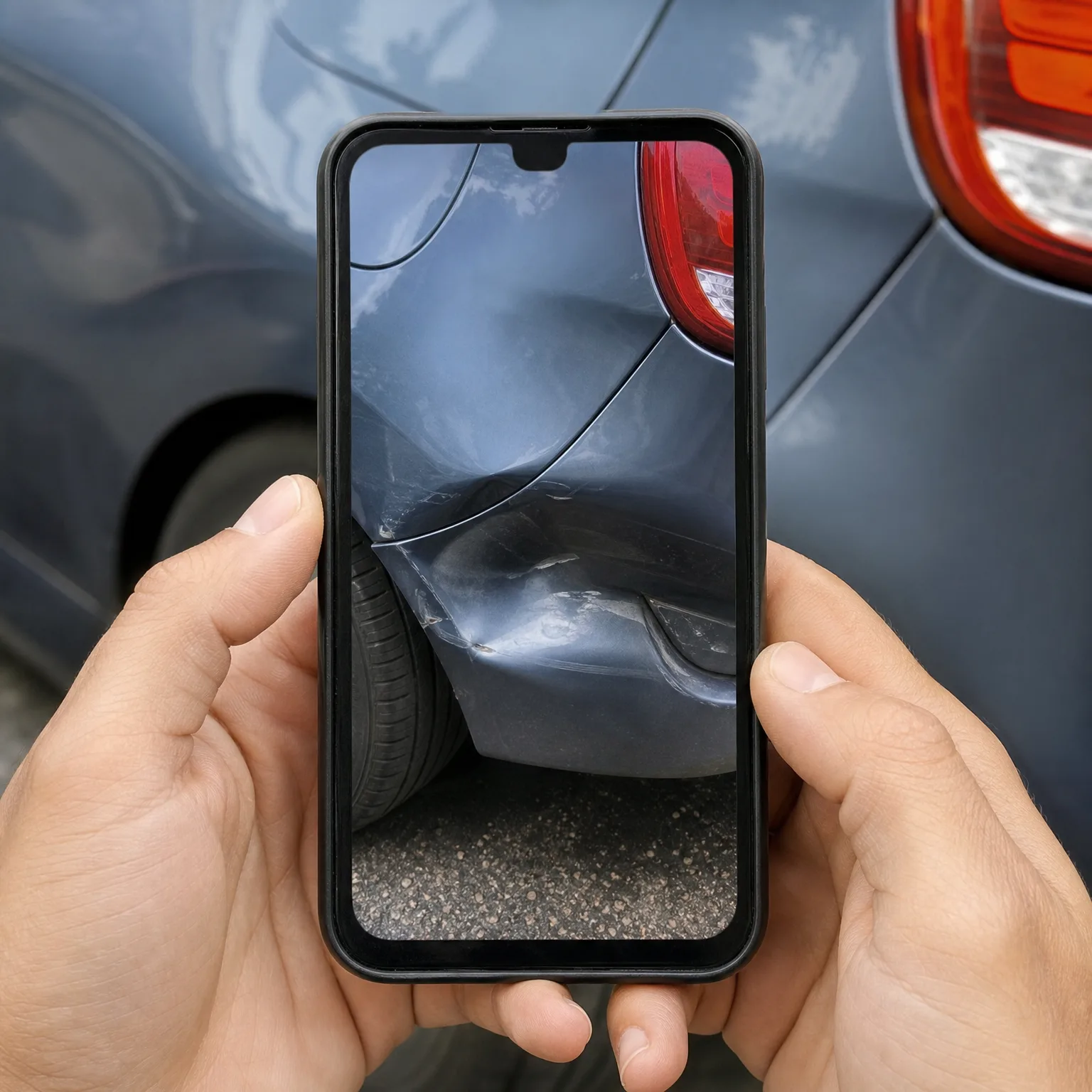
- Write down everything you saw Note the vehicle's color, direction, any partial plate, and nearby cameras or witnesses. Small details can help identify the driver later.
- Check your coverage first Look at your policy for uninsured motorist property damage or collision coverage. Which one applies changes what you pay out of pocket.
- File with your own insurer Since there's no other driver to claim against, your insurer is who processes this. Give them the police report number when you call.
- Ask about a deductible waiver Some policies waive the deductible for hit and run claims under certain conditions. It's worth asking directly rather than assuming you owe it.