What Does Third Party Coverage Cover
The other driver's third party coverage pays for your car damage and injuries up to their policy's limits, but only once fault is settled.
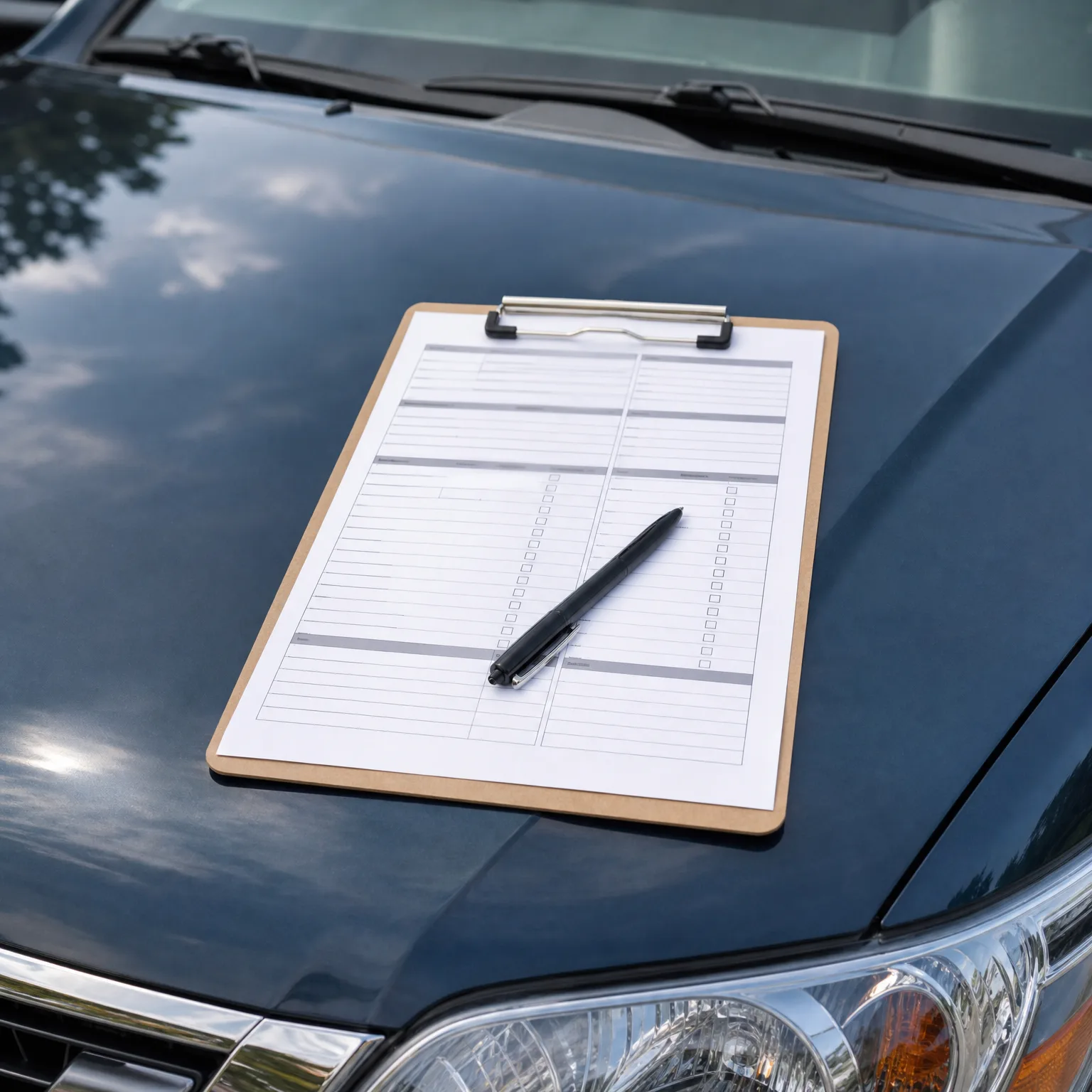
What third party coverage actually pays for
- Your vehicle damage It covers repairing or replacing your car up to the at-fault driver's limit. If damage costs more than that limit, the rest isn't automatically covered.
- Your medical bills If you were hurt, it can cover treatment tied to the crash. Keep every bill and record, because the insurer will want proof before paying anything.
- A rental or loss of use Many policies include some help while your car is fixed, but it's not guaranteed and insurers move slowly. Ask directly what's included and push for it in writing.
- Nothing for the at-fault driver This coverage never pays for the other driver's own car or injuries. That's a separate protection they carry, and it has no bearing on your claim.
- Only up to their limit If your damages exceed what their policy allows, you may need to look at your own coverage to close the gap. Check your policy now so you know what's there.
A stopped car, a rear-end hit, and a slow adjuster
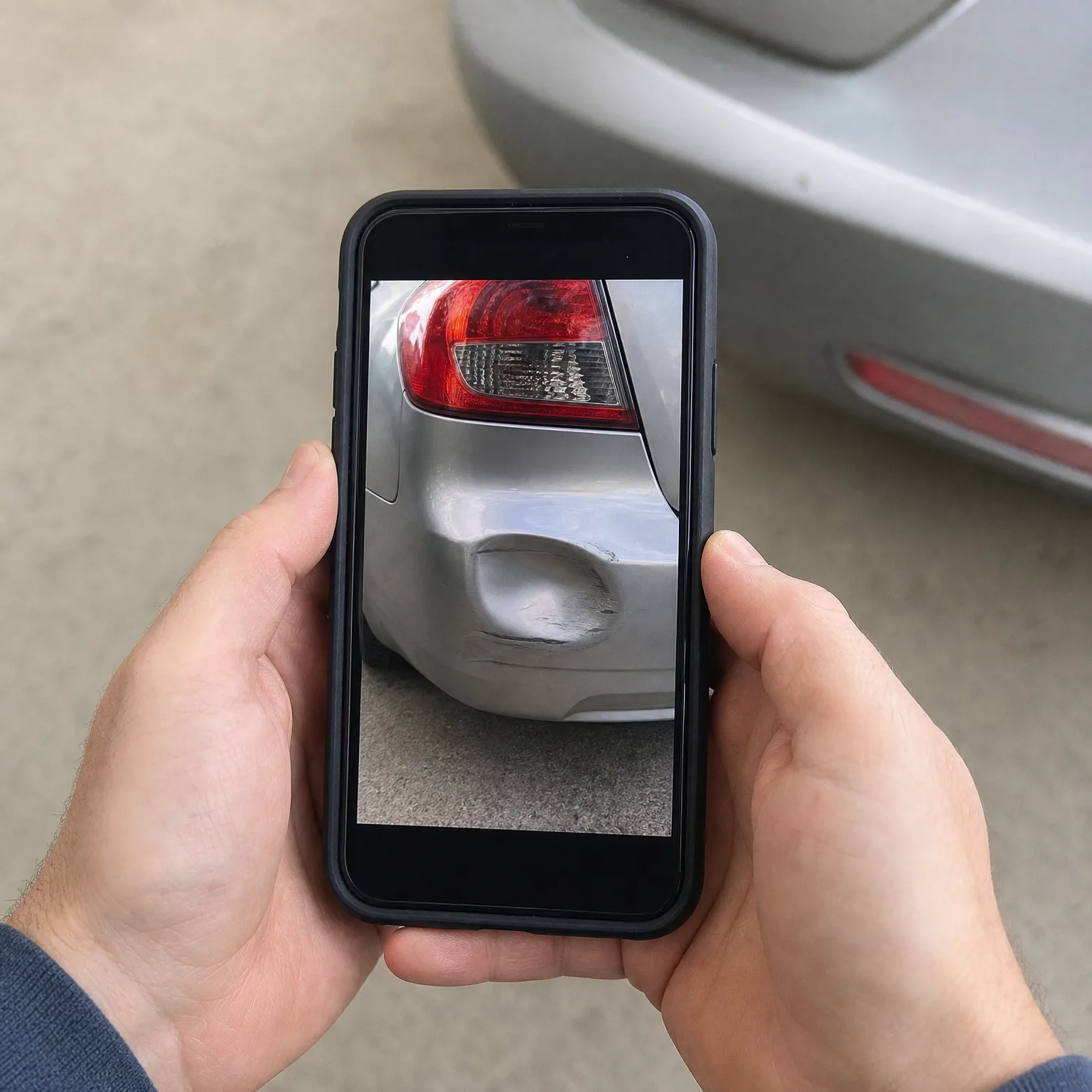
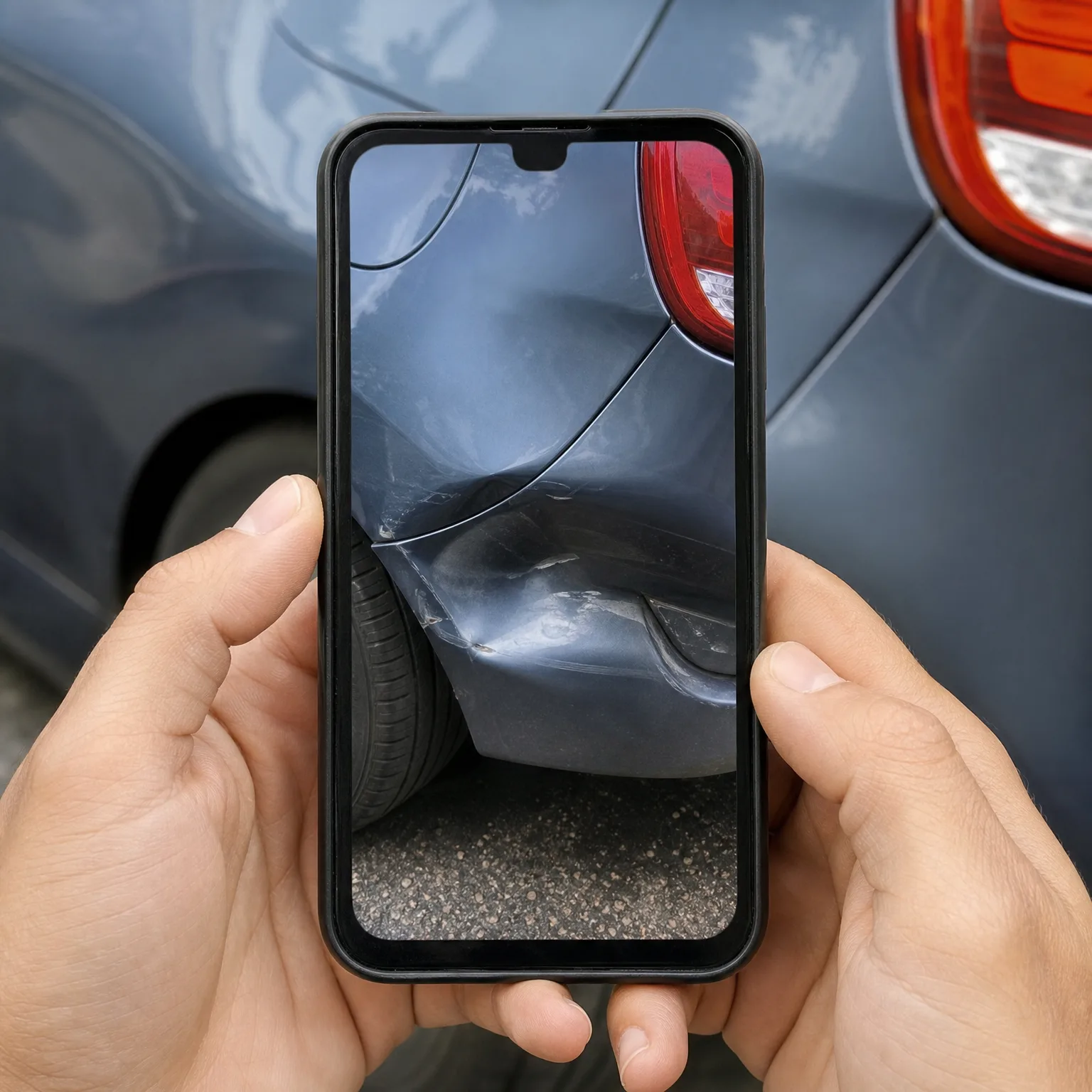
You were stopped at a light when another driver rear-ended you. The damage was clear and the police report named them at fault, but their insurer still called asking for a recorded statement before agreeing to pay for repairs. You felt pressure to just answer quickly and get it over with.
Instead you asked for the questions in writing, gave only factual answers about what happened, and avoided guessing about speed or distance. You got two repair estimates instead of accepting their first number, and you asked specifically whether a rental was included while the car was in the shop. The adjuster approved the higher estimate once you pushed back, and the rental was covered for the time your car was in the shop. It took longer than you expected, but staying specific about what you needed kept the claim moving instead of stalling.

Whether you handle the claim directly with their insurer
If you do
You deal straight with the at-fault driver's insurer, which can work if fault is clear and damage is simple. You keep control, but you're also negotiating against someone whose job is to pay you as little as possible.
If you don't
You use your own insurer's help or a claims advocate instead, leaning on a policy you already have. It can be more paperwork, but someone with more leverage is pushing instead of you doing it alone.
Once you know what their coverage actually owes you, compare quotes to make sure your own policy fills in any gaps.

What if the other driver has no insurance or not enough to cover you?
Then their third party coverage can't pay what you need, no matter how clear the fault is. This is common enough that many drivers carry their own protection for exactly this gap, often called uninsured or underinsured motorist coverage.
Check your own policy for this coverage before you assume you're stuck. If you have it, it can pick up where the other driver's coverage runs out, covering repairs or medical costs up to your own limits. If you don't have it, ask your insurer what options exist now, because this is the kind of gap that's much easier to fix before a crash than after one.
Their insurer works for them, not you, so their policy limit is all you'll get unless you push for more.