Who Is the Second Party in an Insurance Claim
The second party is the insurance company holding the at-fault driver's policy, the one that should pay for your crash.
How the parties in your claim break down
- First party This is the policyholder, meaning the other driver who caused the crash. Their name is on the policy the second party will use to evaluate and pay your claim.
- Second party This is the insurance company that issued the at-fault driver's policy. You deal with their adjuster, and they decide how much your claim is worth.
- Third party That's you. You're outside the contract between the driver and their insurer, which is why your claim is called a third-party claim.
- Your own insurer If you also file with your own company, they become a first party to you, handling your claim directly rather than evaluating someone else's.
- Why the label matters Knowing you're the third party explains why the second party's adjuster works for the other driver's interests, not yours. Expect them to protect their policyholder, not you.

A rear-end collision with a slow-moving adjuster
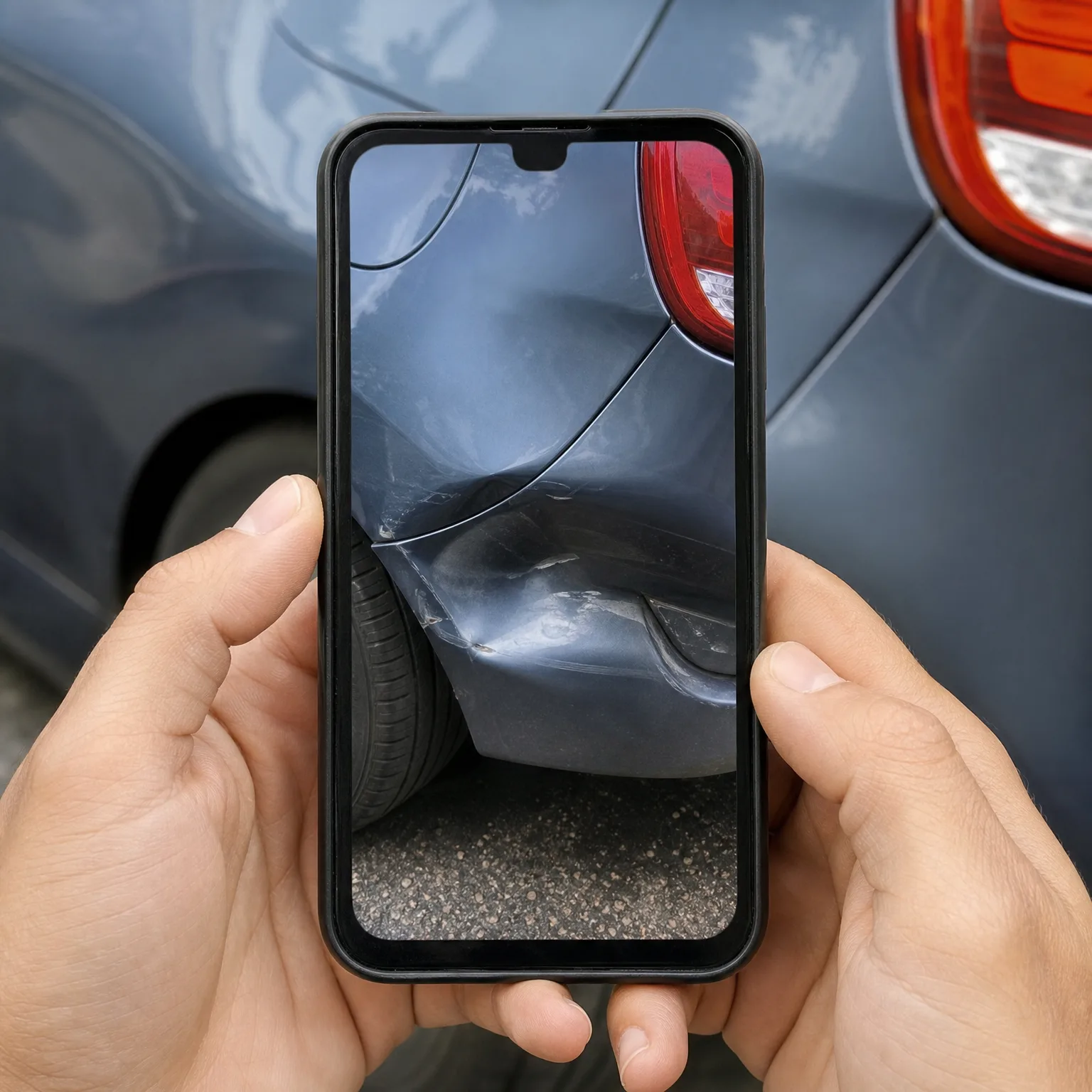
You're stopped at a light when another driver rear-ends you. The police report lists them at fault, so you call their insurance company to start a claim. Within a day, an adjuster from that company contacts you, explains they represent the other driver, and asks for your account of the accident. You realize quickly that this adjuster isn't there to make sure you're taken care of. Their job is to evaluate what their policyholder owes, and that means scrutinizing your version of events, your damage, and your medical visits if you were hurt.
You decide not to give a recorded statement right away and instead send photos, the repair estimate, and the police report in writing. The adjuster comes back with an offer that covers the repair but leaves out the cost of your rental car. You push back, pointing to the rental days documented in writing, and the second party agrees to add it. The claim closes with full payment for both repairs and the rental, but only because you understood who you were negotiating with and didn't treat the adjuster as a neutral party.
Now that you know who you're dealing with, compare quotes for coverage that protects you directly.
Why the other insurer isn't working for you
Insurance claims are built around contracts. The at-fault driver's policy is an agreement between them and their insurer, and that insurer's financial duty runs to the driver, not to you. When you file a claim against that policy, you're asking the company to pay out on behalf of someone they have a legal and financial relationship with. You're not a customer in that relationship, so nothing obligates them to treat your claim the way they'd treat their own policyholder's.
This is why the second party's adjuster asks careful questions about fault and injury. Their job includes limiting what the company pays out, and a lower settlement with you serves that goal. It isn't personal, and most adjusters are simply following the process their employer sets for every third-party claim. But it does mean the burden sits with you to document damage, injuries, and costs clearly, because no one on the other side is doing that for you.
This also explains why some people choose to file with their own insurer instead, even when they weren't at fault. Your own company owes you the duties of a first-party relationship, including a faster and more cooperative process in many cases. The tradeoff is that your insurer may then seek reimbursement from the at-fault driver's insurer later, a process that happens behind the scenes and usually doesn't cost you anything extra.
How strictly these roles play out can vary by state and by insurer, especially around deadlines, recorded statements, and how fault gets determined. Check your state's rules and your policy's language before deciding how to proceed, since those details shape your options more than the general roles do.
The other insurer's adjuster isn't neutral. Treat every call and every offer as negotiation, not fact.
Do I have to give a recorded statement to the other driver's insurance company?
No, you're generally not required to give a recorded statement to the second party's insurer. You can choose to answer questions in writing instead, which gives you time to think and creates a record. Check your state's rules, since requirements can differ, and consider talking to your own insurer or an attorney before agreeing to anything recorded, especially if you were injured.
What happens if the at-fault driver has no insurance?
If the at-fault driver is uninsured, there's no second party to claim against, so you'd typically turn to your own policy's uninsured motorist coverage if you have it. This fills the gap by treating your own insurer as the one responsible for paying. Check your policy to see if you carry this coverage, since it isn't universal and rules about using it vary by state.
Can I use my own insurance instead of filing with the other driver's company?
Yes, you can usually file with your own insurer even when you weren't at fault, and many people do this for speed. Your insurer then becomes a first party to you and may seek repayment from the other driver's insurer later. Check whether this affects your premium or deductible, since policies and state rules differ on that point.