Should I Sue the At-Fault Driver
Usually you don't need to sue, since the claim goes through insurance, but a lawsuit makes sense once that process breaks down.
Why a lawsuit is the backup plan, not the first step
Car accident claims are built to settle through insurance, not through court. The at-fault driver's insurer is legally responsible for paying a valid claim, and most claims resolve that way because it's faster and cheaper for everyone involved, including the insurer. A lawsuit exists for when that normal process fails.
The process fails in a few specific ways. The insurer might deny the claim outright, dispute fault in a way that isn't supported by the facts, or offer a settlement that doesn't come close to covering your actual losses, especially if you were injured and have medical costs or lost income that go beyond vehicle damage. In those situations, a lawsuit is how you force a real resolution instead of accepting a number that doesn't match what happened to you.
What changes the calculation is the size and nature of your losses. Property damage disputes often resolve through appraisal or small claims court, which is faster and simpler than a full lawsuit. Injury claims are different, because the stakes are higher and the insurer has more reason to lowball or delay, so the threshold for considering a lawsuit is lower.
There's also the question of whether the other driver has enough insurance to cover what you're owed. If they're underinsured or uninsured, suing them personally may not get you paid even if you win, since a judgment is only as good as their ability to pay it. In that case your own uninsured or underinsured motorist coverage, if you have it, may matter more than a lawsuit against the other driver.

What to check before deciding to sue
- Try the claim first Most claims settle without a lawsuit. File with the at-fault driver's insurer and see how they respond before assuming you need to go to court.
- Watch for a lowball offer If the settlement offer doesn't cover your repair costs, medical bills, or lost income, that's a sign the claim needs to be pushed further, possibly through a lawsuit.
- Check their insurance limits Ask what the at-fault driver's policy limits are. If your losses exceed those limits, a lawsuit against the driver personally may be the only way to recover the difference.
- Consider your own coverage Uninsured or underinsured motorist coverage on your own policy can pay out faster than a lawsuit, especially if the other driver has little insurance or none at all.
- Think about time and cost A lawsuit takes time and may require a lawyer, especially for injury claims. Weigh what you'd gain against what it costs you in time, stress, and legal fees.

When a slow insurer forced the question
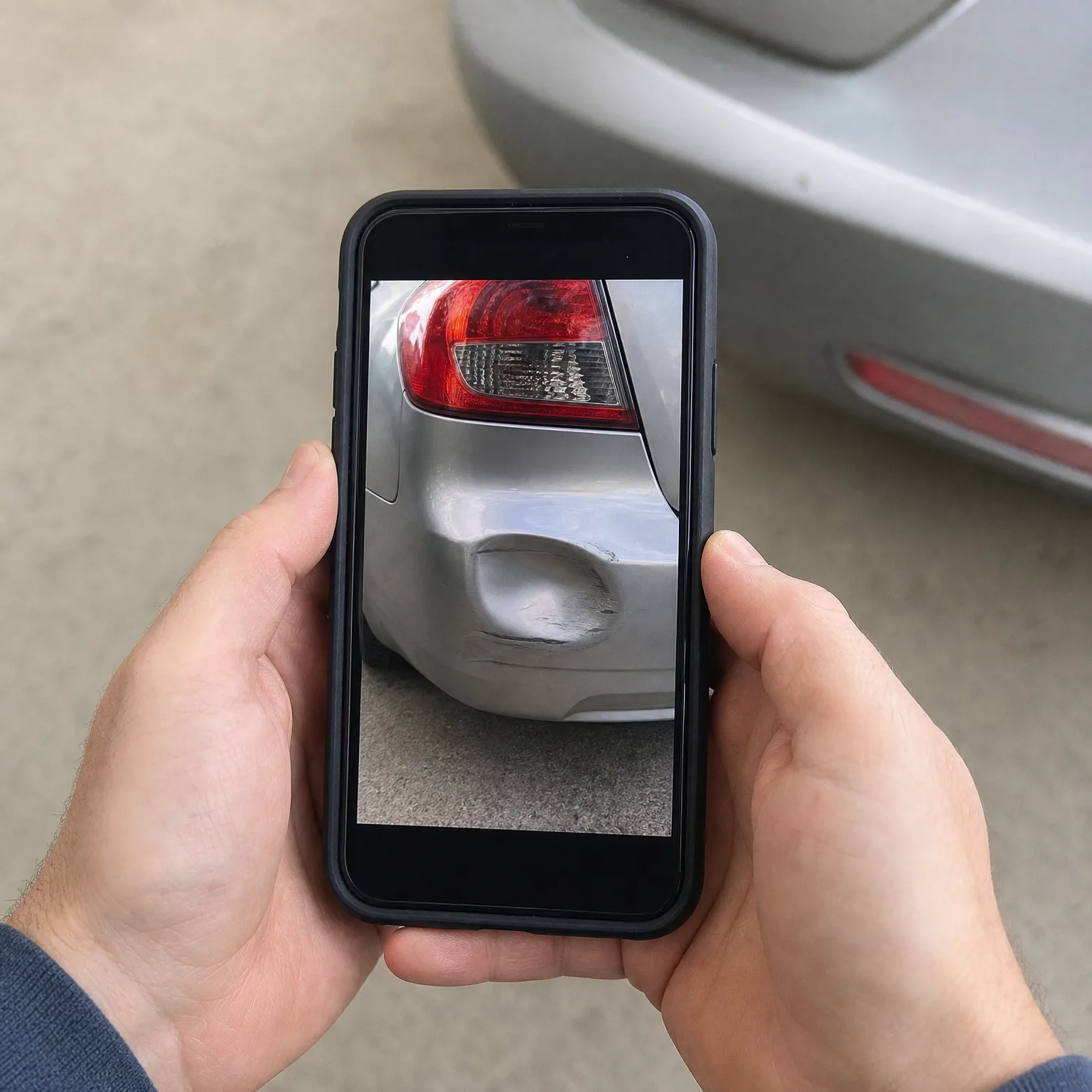
A driver ran a red light and hit a reader's car, causing significant damage and a minor injury. The at-fault driver's insurer accepted fault quickly but offered a settlement that covered the repair estimate yet barely touched the medical bills from an urgent care visit and a few follow-up appointments. The reader asked for documentation showing how the offer was calculated and got vague answers back.
Instead of accepting the offer right away, the reader consulted a lawyer who handles small injury claims, who sent a demand letter laying out the actual medical costs and lost wages from missed work. The insurer revised its offer within a couple of weeks, once it was clear the next step would be a lawsuit. The case never went to court, but the threat of filing, backed by documentation, was what moved the number. The reader's lesson was that naming the possibility of a lawsuit and showing you're prepared to follow through often resolves things faster than actually filing one.
Once you know whether a lawsuit fits your case, compare quotes so your own coverage backs you up next time.

Should you threaten or file a lawsuit now
If you do
You signal to the insurer that you're serious and won't accept a lowball offer. This often speeds up negotiations and can lead to a better settlement without ever going to trial, especially when backed by a lawyer's demand letter and solid documentation of your losses.
If you don't
You stay in the standard claims process, which may settle fine on its own. But if the offer stays too low or the insurer keeps stalling, you risk running out of patience or time before pushing for what you're actually owed.
Do I need a lawyer to sue the at-fault driver?
For property damage alone, you often don't. Small claims court is designed for people to represent themselves, and the amounts involved usually don't justify legal fees.
For injury claims, a lawyer is usually worth it. Injury cases involve medical records, lost income calculations, and negotiating against an insurer that handles these disputes every day. A lawyer who works on contingency, meaning they get paid only if you win or settle, lets you pursue this without upfront cost. Check how contingency fees work before signing anything, since the percentage and what counts as a win can vary.