Recorded Statements and Adjusters
You can decline a recorded statement to the other driver's insurer and still get your claim paid.

What to know before an adjuster calls you
- Their adjuster isn't neutral They work for the driver who hit you, not for you. Be polite but remember their job is to limit what their company pays.
- No statement is required You can decline without hurting your claim. Offer a written summary instead if you want to cooperate.
- Stick to facts, skip opinions If you do talk, describe what happened plainly and avoid guessing about speed, distance or fault. Say you don't know if you don't.
- Get the basics in writing first Before any conversation, get the claim number, the adjuster's name and the policy limits if they'll share them. This protects you if the call goes sideways.
- Watch for early pressure An early low offer often comes before you know the full cost of repairs or treatment. Don't accept anything until you understand what you're owed.
What if the adjuster says I have to give a statement?
You don't, and they know it. Adjusters sometimes imply a recorded statement is required to process your claim, but that's not true for the other driver's insurer. You have no contract with them, so none of its rules apply to you.
Your own insurer may require cooperation if you're using your own coverage, but that's a separate relationship with separate rules. Check your policy if you're unsure which applies.
If an adjuster insists it's mandatory, ask them to point to where that requirement comes from. Usually they'll back off or let you give a written statement instead. If they keep pushing, that's a sign to slow down, get things in writing, and consider talking to an attorney before saying anything further.

Giving a recorded statement to their adjuster
If you do
They'll ask open-ended questions designed to get you talking. Anything you say can be used to shift blame or minimize your damages later. Keep answers short, factual and limited to what you directly observed. Don't speculate, don't apologize, and ask for a copy of the recording afterward.
If you don't
You can simply say you'd prefer to provide a written statement or wait until you've spoken with your own insurer or an attorney. Nothing in your claim requires you to agree on the spot. This keeps you from being pinned down before you know the full extent of your damages.
Once you know how to handle the adjuster, compare quotes to make sure your own coverage backs you up too.
When a quick call almost became a problem
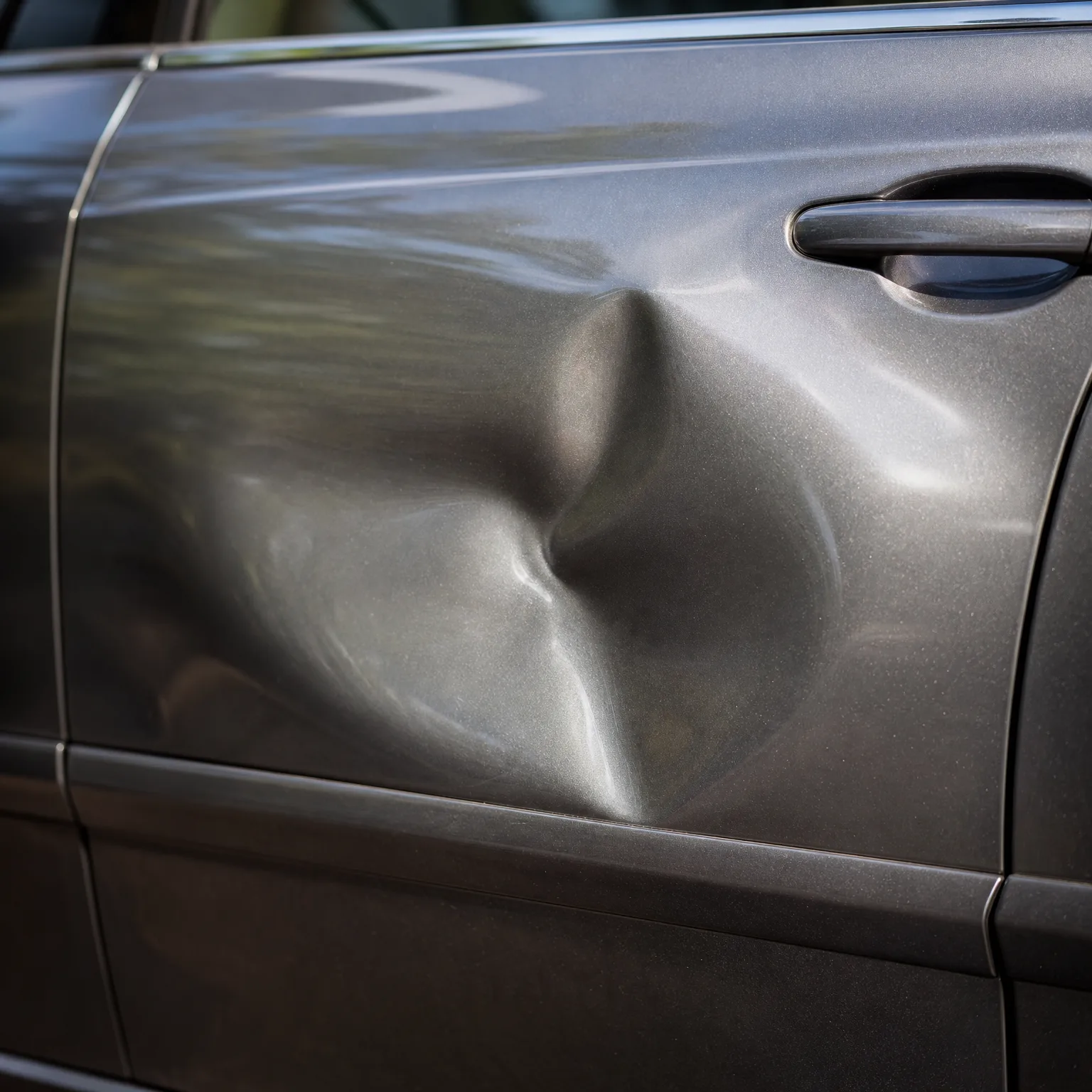
A driver was rear-ended at a stoplight and the next day got a call from the other driver's insurance adjuster asking for a recorded statement. The adjuster was friendly and said it was just routine, so the driver almost agreed on the spot. But something about being asked to estimate how fast they'd been going felt off, since they hadn't actually looked at their speedometer.
Instead, the driver asked for the adjuster's name and claim number, said they'd prefer to send a written statement, and hung up to think it over. They wrote a short account of what happened, stuck to only what they actually saw and felt, and sent it by email so there was a record. A few days later the repair estimate came in low, but because the driver hadn't locked themselves into vague recorded answers, they had room to push back with photos and a second estimate. The claim was eventually paid at the higher amount, and the driver never had to worry about an offhand guess being used against them.
Why the other insurer wants you talking fast
The other driver's insurance company has one job in this situation, which is to pay out as little as possible on a valid claim. A recorded statement, taken early before you know the full cost of repairs or any injury, gives them material to use later. Vague answers about speed, distance or pain can be framed as inconsistencies even when they're just normal uncertainty.
This is different from dealing with your own insurer, where you typically do have a duty to cooperate because you have a contract with them. The other driver's insurer has no such contract with you, so their requests carry no real authority, even when they're phrased as routine procedure.
In most cases, the facts of the crash speak for themselves through police reports, photos and repair estimates, so a recorded statement adds little except risk. The exceptions are cases where fault is genuinely unclear or disputed, where a clear, careful statement early on might actually help establish what happened. Even then, it's worth deciding deliberately rather than agreeing because someone called and asked.
State rules about recorded statements and insurer conduct do vary, so it's worth checking what protections apply where you live if you want to know your exact footing.

The other driver's adjuster works for their company, not for you, so you decide what to say and when.