Is Medical Payment Coverage Worth It
Medical payment coverage is worth it if you want your bills paid fast, no matter who caused the crash, without waiting on the other insurer.
What decides whether it's worth having
- How it works with fault Medical payment coverage pays your medical bills no matter who caused the crash. If the other driver is at fault, it still pays first while their insurer investigates, so you're not stuck waiting.
- What health insurance covers If you have solid health insurance, this coverage mostly helps with deductibles, copays, and gaps. Check what your health plan actually leaves you owing before deciding how much you need.
- Who rides with you It covers passengers in your car too, including people who may not have their own health insurance. Think about who regularly rides with you when you weigh this.
- How it affects the other claim Using it doesn't block you from also pursuing the at-fault driver's insurance for your medical costs. It just means you're not waiting on them to get bills paid.
- What it costs to add This coverage is usually inexpensive compared to other parts of your policy. Ask your insurer for the exact cost on your policy before ruling it out.
A driver gets rear-ended and needs an ER visit
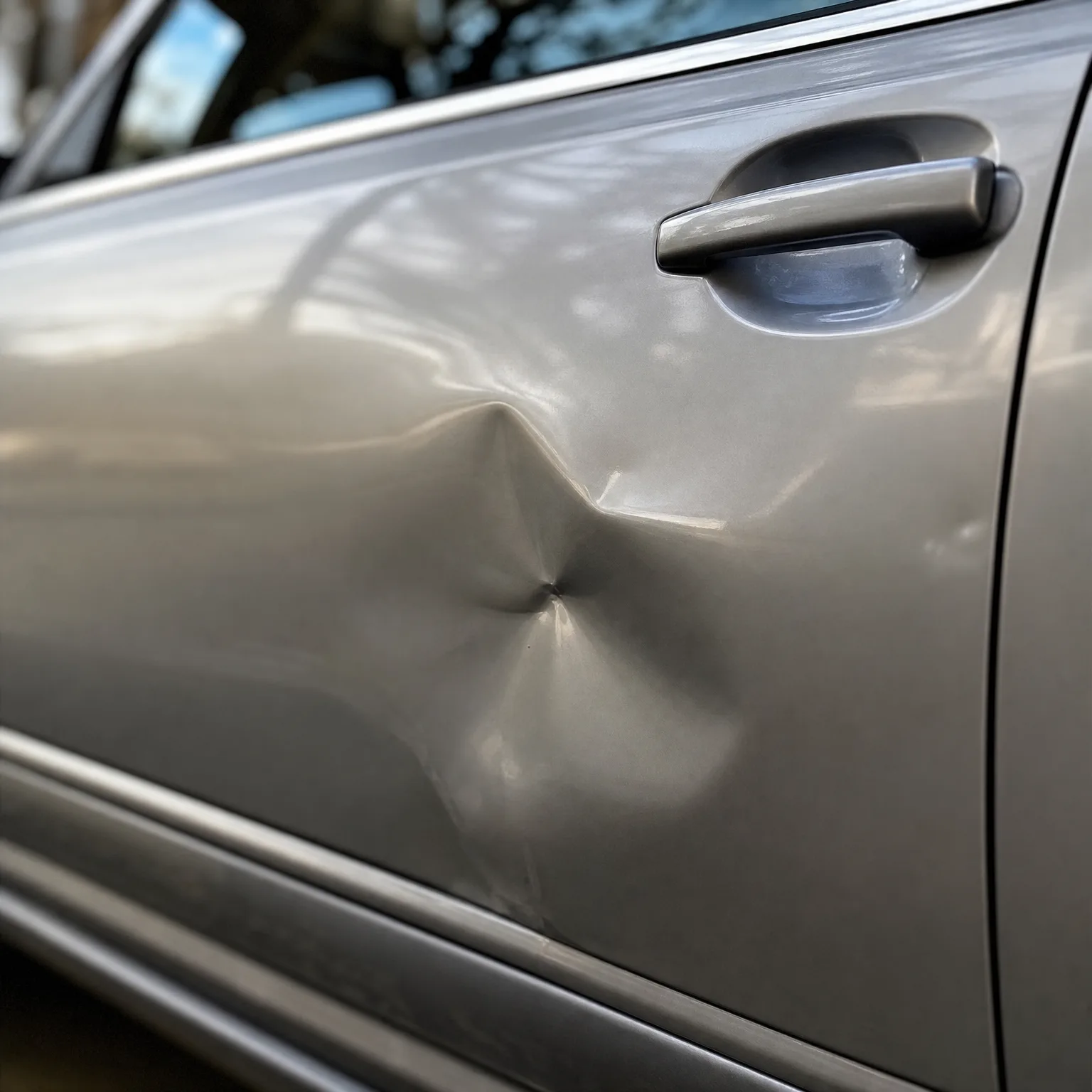
You're stopped at a light when another driver rear-ends you. It's clearly their fault, a police report confirms it, and their insurer accepts liability. But the ER visit happens that night, and the at-fault insurer hasn't even assigned an adjuster yet. You have medical payment coverage on your own policy, so you submit the ER bill to your own insurer right away instead of waiting.
Your insurer pays the bill under your medical payment coverage within a short time, no fault dispute involved since it pays regardless of who caused the crash. Weeks later, once the at-fault driver's insurer finishes its review, your attorney or you directly seek reimbursement for those costs as part of your claim against the at-fault driver. You're not paying twice and not stuck covering the ER bill out of pocket while everyone sorts out liability. The coverage didn't replace the claim against the other driver, it just meant you weren't the one absorbing the wait.

Adding medical payment coverage to your policy
If you do
Your medical bills from any crash get paid quickly through your own insurer, no fault investigation required. This matters most right after an injury, when bills arrive before any other insurer has accepted responsibility. Passengers in your car are covered too, which helps if you often drive others around.
If you don't
You'll likely rely on health insurance or wait on the at-fault driver's insurer to pay medical bills. If the other insurer disputes fault or moves slowly, bills can pile up while you wait, and you may need to cover costs upfront yourself.
Once you know whether medical payment coverage fits your situation, compare quotes to see what adding it actually costs.
Does medical payment coverage duplicate my health insurance?
It can overlap, but it's not the same thing. Health insurance generally pays for your care regardless of how you got hurt, but it often leaves you with deductibles, copays, or excluded costs. Medical payment coverage can fill those specific gaps after a car accident.
The bigger difference is speed and who pays first. Medical payment coverage typically pays quickly after a crash, without the back and forth of fault investigations that can delay payment from an at-fault driver's insurer. If you don't have health insurance at all, or have a high deductible plan, this coverage matters more. If your health coverage is strong and affordable, it still has value for its speed and for covering passengers, but it matters less for you personally.
Why this coverage exists and when it earns its cost
Medical payment coverage exists because medical bills don't wait for fault to be decided. After a crash, especially one involving an ambulance ride or ER visit, bills show up within days. Figuring out who's at fault and getting another driver's insurer to pay can take much longer, especially if liability is disputed or the other driver is hard to reach. This coverage breaks that bottleneck by paying your bills directly, through your own insurer, without anyone arguing about fault first.
It works differently depending on what other coverage you already carry. If you have strong health insurance with low out-of-pocket costs, this coverage mostly helps with the small gaps, deductibles, copays, or costs your health plan doesn't touch. If you have no health insurance, or a plan with a high deductible, this coverage can matter a lot more, since it may be the only thing paying your bills quickly after a crash.
It also matters for passengers. If you often carry people in your car who don't have their own health insurance, this coverage protects them too, which health insurance obviously can't do since it only covers you.
The cases where it matters less are when you rarely drive with passengers, carry excellent health insurance, and aren't worried about short-term cash flow after an accident. In that situation the value is still there, just smaller. Check with your state and insurer since rules about how this coverage interacts with health insurance and with claims against an at-fault driver can vary.
Can I use medical payment coverage and still sue the at-fault driver?
Yes, using this coverage doesn't give up your right to pursue the at-fault driver's insurer for your medical costs. It simply gets your bills paid sooner. Any reimbursement you later receive from the at-fault party's insurer may need to account for what your own insurer already paid, so check your policy's terms on reimbursement or subrogation.
Does medical payment coverage raise my insurance rates?
Adding it to your policy typically has a small effect on your premium, separate from any rate changes tied to filing a claim. Whether using it affects your rates after a crash depends on your insurer's rules, since some treat no-fault medical payments differently than at-fault claims. Ask your insurer directly how a claim under this coverage is treated.
Is medical payment coverage the same as personal injury protection?
No, they're related but not identical. Personal injury protection usually covers more, including lost wages, and is required in some states, while medical payment coverage is narrower and optional almost everywhere. Check what's mandatory or available in your state before deciding which one you need or whether you need both.