Is Loss of Use the Same as Rental Loss
Loss of use is the broader right to be compensated for not having your car, and a rental car is just the usual way that gets paid.
Loss of use is the right, a rental car is the remedy
When another driver is at fault for hitting your car, their insurer owes you for the damage, but they also owe you something else that gets talked about less. While your car sits in a shop, you still need to get around, and that need has a cost. That cost is what people mean by loss of use. It is not a separate claim so much as a recognition that your car had value to you beyond its price tag, and losing access to it for days or weeks is itself a loss.
A rental car is simply the most common way insurers satisfy that obligation. Instead of calculating what your time without a car was worth and cutting you a check, they put you in a comparable vehicle for the repair period. That's easier for everyone to measure and agree on, so it became the default. But the underlying right is broader than just a rental. If you choose not to rent a car while yours is fixed, some insurers will still pay you a daily amount for your loss of use, since the entitlement was never really about the rental itself.
Where this gets inconsistent is in how insurers calculate and cap that payment. Some set a flat daily rate regardless of what you actually rent. Others reimburse the actual cost of a comparable rental up to a limit. A few will only pay if you can show you actually rented something, treating loss of use and rental reimbursement as functionally identical in practice even if they are not identical in concept. This varies by insurer and sometimes by state, so it's worth asking directly which approach applies to your claim.
The practical difference matters most if you don't rent a car. If you borrow a friend's vehicle, carpool, or just go without, you may still be able to recover something for the inconvenience and lost use, but only if you ask. Insurers rarely volunteer that option, since paying for an actual rental receipt is simpler for them to process and close out.
When going without a rental still paid off
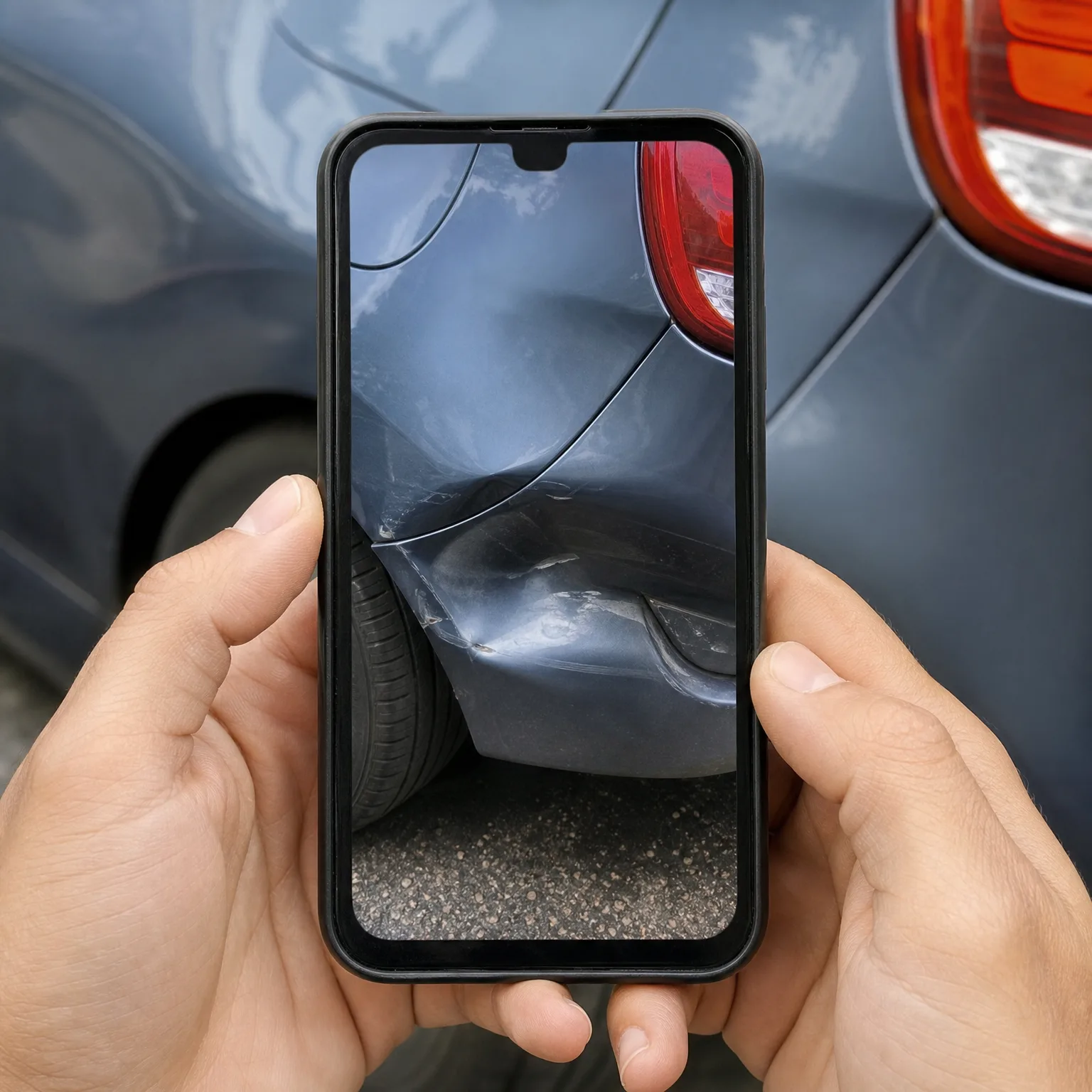
Someone rear-ended Maria's car at a stoplight, and the repair shop said it would take about ten days to fix the bumper and trunk. The at-fault driver's insurer offered her a rental car for that period, which she almost took. But Maria worked from home most days and only needed a car twice during that stretch, so she borrowed her brother's car instead and skipped the rental entirely.
When the repairs were done, she called the adjuster and asked whether she could still be compensated for loss of use since she hadn't used the rental benefit they'd offered. The adjuster confirmed their policy allowed a daily reimbursement in lieu of a rental, and paid her for the days her car was in the shop. It was less than ten full days of rental value, but it was more than nothing, and more than she would have gotten by staying quiet and assuming no rental meant no payment.
Not renting a car doesn't mean giving up the loss of use payment, but you usually have to ask for it directly.
Once you know what you're owed for being without your car, compare quotes to see your own coverage stacks up.
What if the at-fault insurer refuses to pay for loss of use at all?
If the at-fault insurer denies loss of use entirely, you have options, but they depend on how clear fault is and what your own policy covers. You can push back directly with the adjuster, citing that loss of use is a standard part of property damage claims in most places, and ask them to explain their denial in writing.
If that doesn't work, you can use your own policy if you carry rental reimbursement coverage, pay the rental cost yourself and seek reimbursement from your own insurer, which will then pursue the at-fault insurer to recover what they paid. This keeps you from being stuck in a dispute while your car sits in the shop. You can also escalate through your state's insurance department if the denial seems unreasonable, since handling claims in bad faith is something regulators do track.

Does loss of use cover a total loss or just repairs?
Loss of use typically applies while your car is being repaired, not after it's declared a total loss. Once a car is totaled, the clock usually stops because you're expected to use the settlement to get another vehicle. If the valuation process itself drags on unreasonably, some insurers will extend loss of use a bit longer, so ask directly if your claim is heading toward a total loss determination.
Can I get a better rental car than my own under loss of use?
Usually not, loss of use is meant to replace what you had, not upgrade it. Insurers typically authorize a rental comparable in size and class to your damaged vehicle. If you want something nicer, you'll likely pay the difference yourself. Check with the adjuster before picking a rental, since going over the authorized class can mean the overage isn't reimbursed.
How long does loss of use last if the repair shop is backed up?
It generally lasts as long as the repair reasonably takes, not as long as the shop happens to take. If delays are due to parts availability or the shop's own backlog, some insurers still cover the full time, while others cap it at a typical repair estimate. Ask the adjuster upfront how they calculate the covered period so you're not surprised later.