Is It Worth Filing a Diminished Value Claim
If the other driver was at fault and your repaired car is worth less now, filing is usually worth it, since that loss is owed to you.
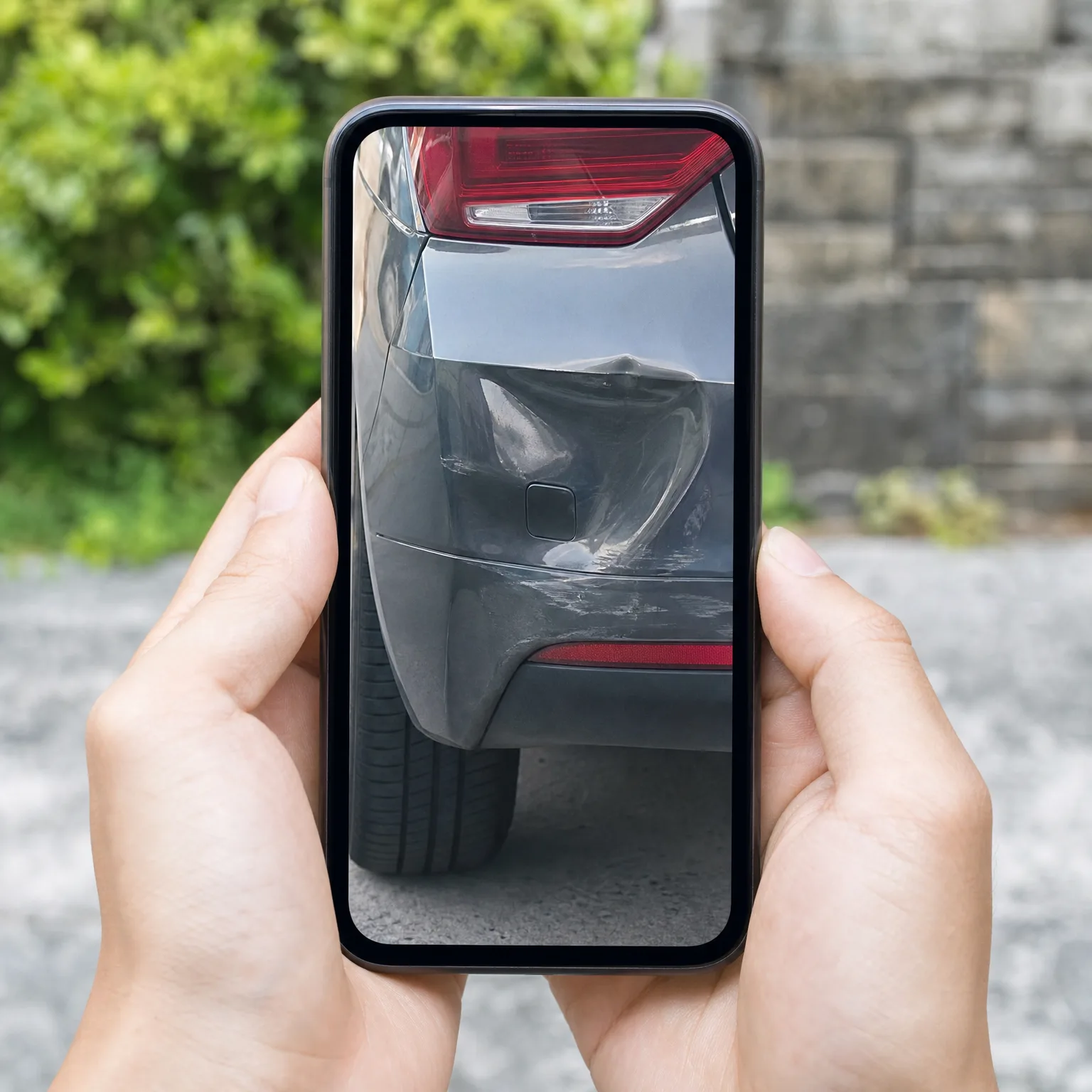
What to check before you file a diminished value claim
- Fault has to be clear Diminished value claims go against the at-fault driver's insurer, so fault needs to be established or at least not seriously disputed. If fault is contested, settle that question first.
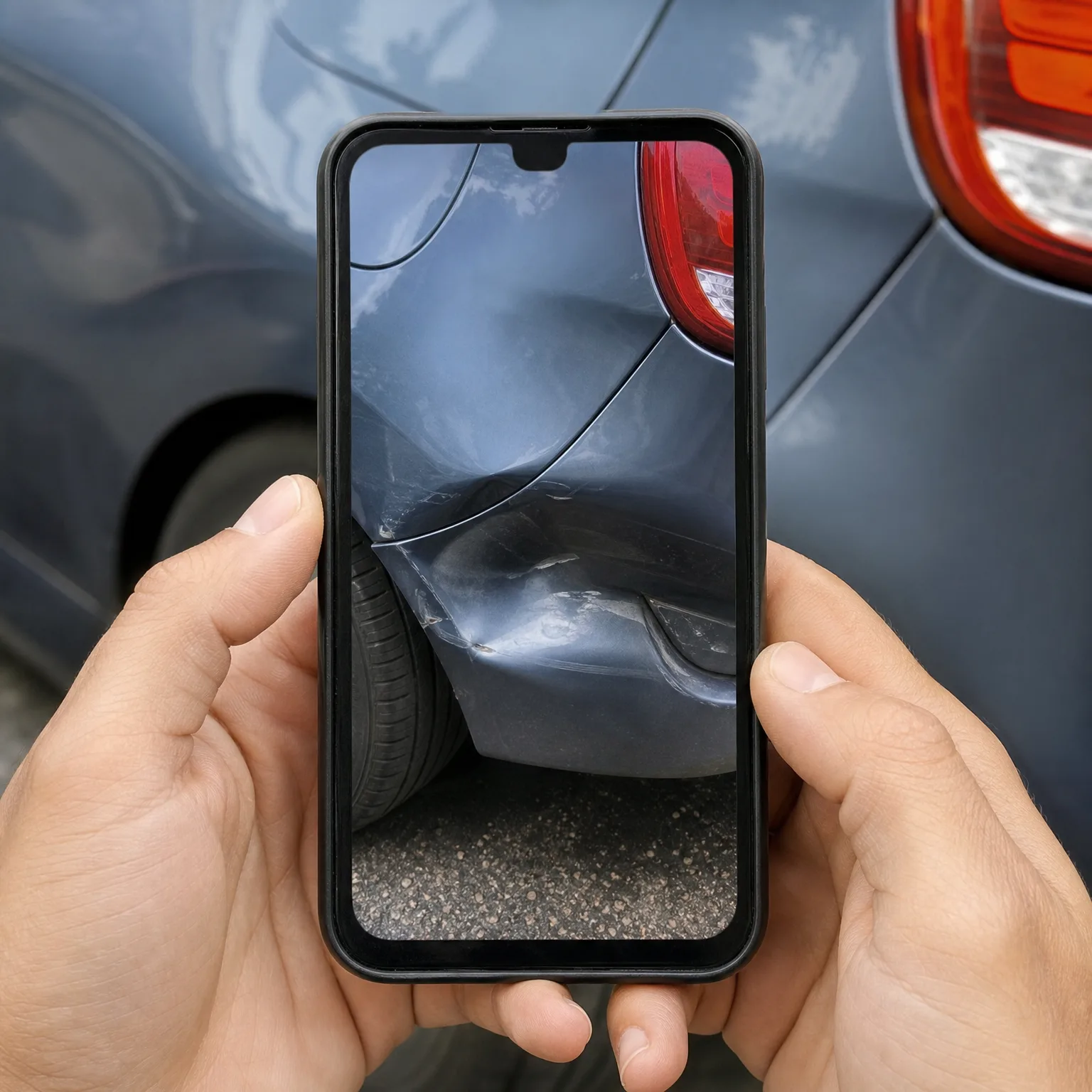
- The damage has to be real A car with a clean repair and no frame or structural damage may lose little value. A car with major bodywork or structural repairs almost always sells for less, and that gap is what you're claiming.
- Your state matters here Some states make it easier to recover diminished value than others, and a few limit it in certain situations. Check how your state treats these claims before you count on one.
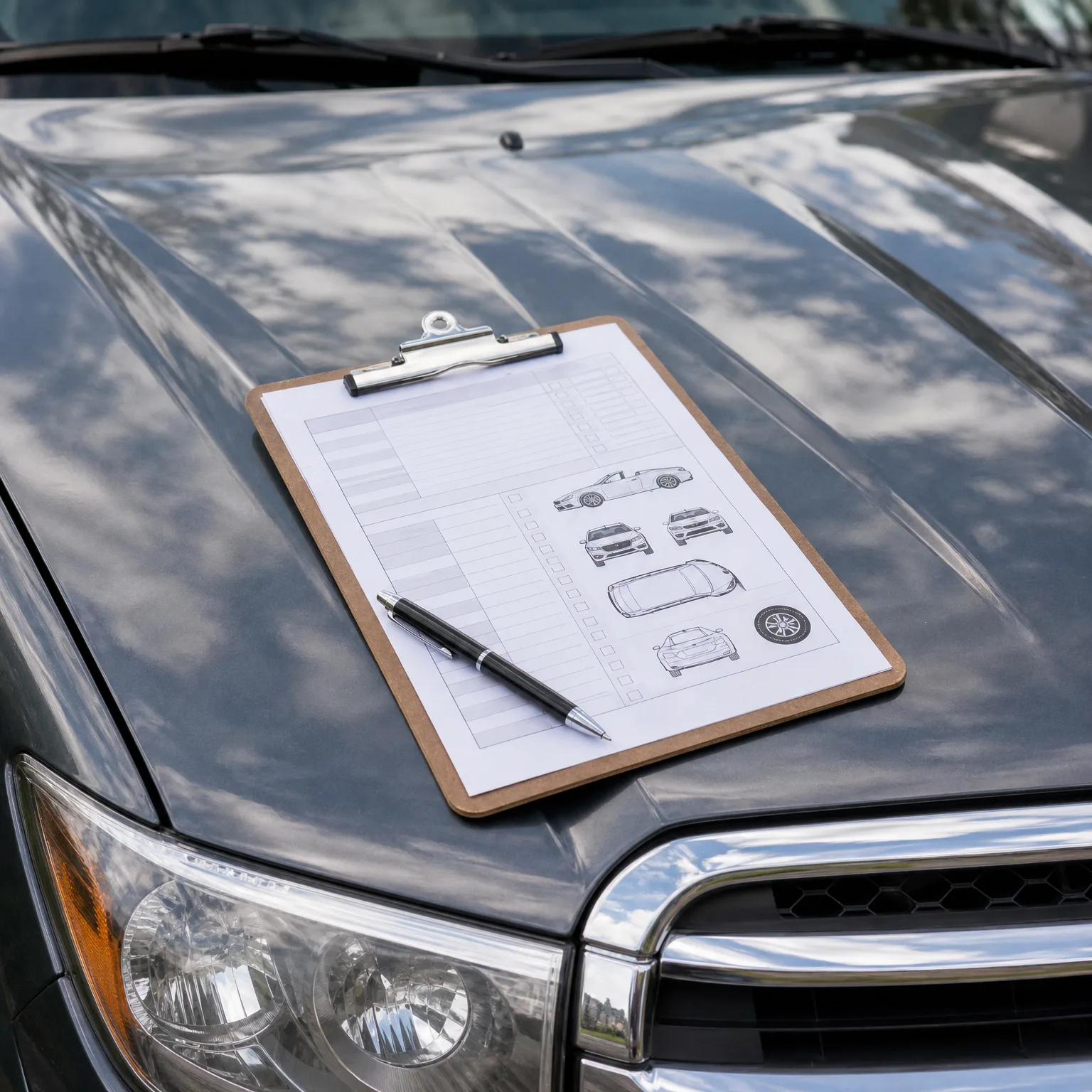
- You need documentation You'll want repair records, before and after values, and sometimes an independent appraisal. Gather these early, while the damage and repair are still fresh and easy to prove.
- Timing affects the payout Filing soon after repairs, with the car still relatively new, usually gets a stronger number. Waiting years, or after the car has higher mileage, weakens the claim.
Can I file a diminished value claim on my own insurance instead?
Usually not in the way you're thinking. Diminished value is a loss caused by the at-fault driver, so it's typically claimed against their liability insurer, not your own policy. Your own insurer generally isn't responsible for making up a value gap caused by someone else's negligence.
There are exceptions. If you carry certain optional coverages, or if you live in a state with specific rules about first-party diminished value, your own insurer might owe something. This varies a lot by state and by policy, so it's worth a direct question to your agent or insurer rather than an assumption either way.
If the other driver had no insurance or too little, your path narrows further, and your options depend heavily on what coverage you personally carry.

Filing a diminished value claim against the at-fault insurer
If you do
You gather repair records and documentation, submit a claim for the value gap, and negotiate directly with the at-fault insurer. It takes effort and sometimes a fight, but if approved, you get paid for a real loss you didn't cause and otherwise absorb when you sell or trade the car.
If you don't
You skip the extra paperwork and move on once repairs are done. But if the car has real structural or major damage, you'll likely get less when you sell or trade it later, and you'll have no one to recover that loss from since the claim window won't stay open indefinitely.
Once you know if this claim is worth pursuing, compare quotes to keep your own coverage solid going forward.
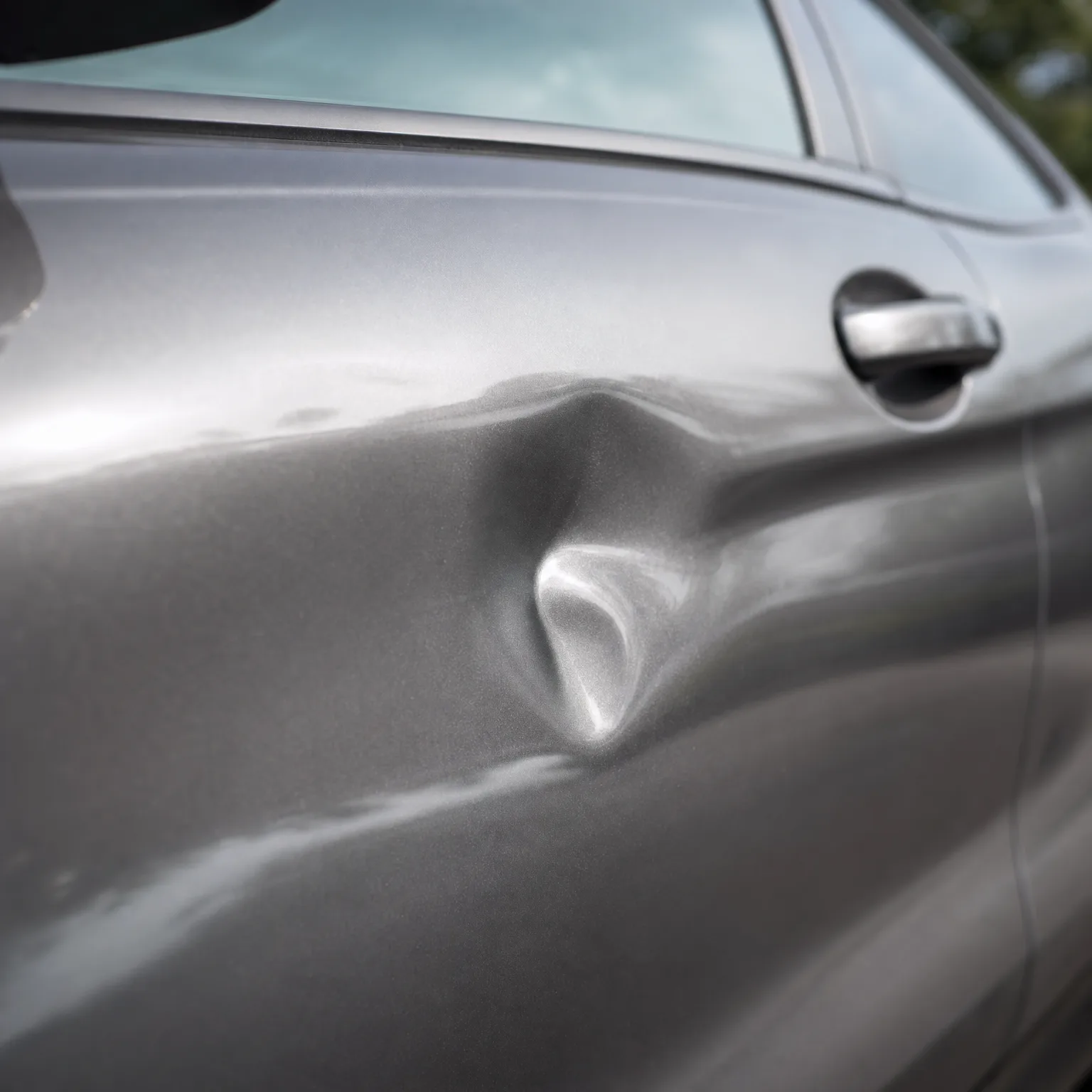
A rear-end collision that left hidden structural damage
You're stopped at a light and another driver rear-ends you, clearly their fault. The repair shop fixes the visible damage, but the estimate also shows frame work was needed. The car drives fine, but you start wondering what happens when you eventually try to sell it.
You ask the shop for full repair documentation, including the frame work, and get an independent appraisal that shows the car's resale value dropped due to its accident history. You send a diminished value claim to the at-fault driver's insurer with this documentation attached. The insurer pushes back with a lower number at first, but after you provide the appraisal and point to comparable sales of similar cars with and without accident history, they settle closer to your figure. You get a payment that reflects the real loss, separate from the repair costs already covered.
Why diminished value is a real, recoverable loss
When a car is in an accident, even a well-repaired one often carries a stigma. Buyers and dealers know this, and it shows up in trade-in offers and resale prices. The legal idea behind a diminished value claim is simple. The at-fault driver's negligence caused a financial loss beyond the repair bill, and that loss is theirs to cover, not yours.
This is why the claim goes against the at-fault insurer rather than your own. Your insurer's job, if you used your own collision coverage to get repairs done quickly, was to fix the car. It was never to make up for market perception, because that loss was caused by the other driver, not by your insurer's handling of the claim.
Where it gets complicated is proving the loss and getting a state's legal framework to cooperate. Some states recognize these claims clearly and insurers there are used to paying them. Others make it harder, either through legal limits or through insurers that simply deny first and wait to see if you push back. This is exactly why checking your state's rules matters before you decide whether to spend time filing.
It also matters whether the damage was cosmetic or structural. Minor bumper damage with no frame involvement often doesn't move resale value much, and insurers know this, so claims on minor damage are harder to win. Significant hidden damage, frame work, or airbag deployment tends to produce a real and provable gap, which is where filing is most often worth the effort.

A clean repair isn't the same as a clean history, and the gap between them is a real cost someone owes you.