What Is Deductible Reimbursement
Deductible reimbursement is the other driver's insurer paying you back the deductible you fronted to get your car fixed.
It exists because you paid twice for someone else's mistake
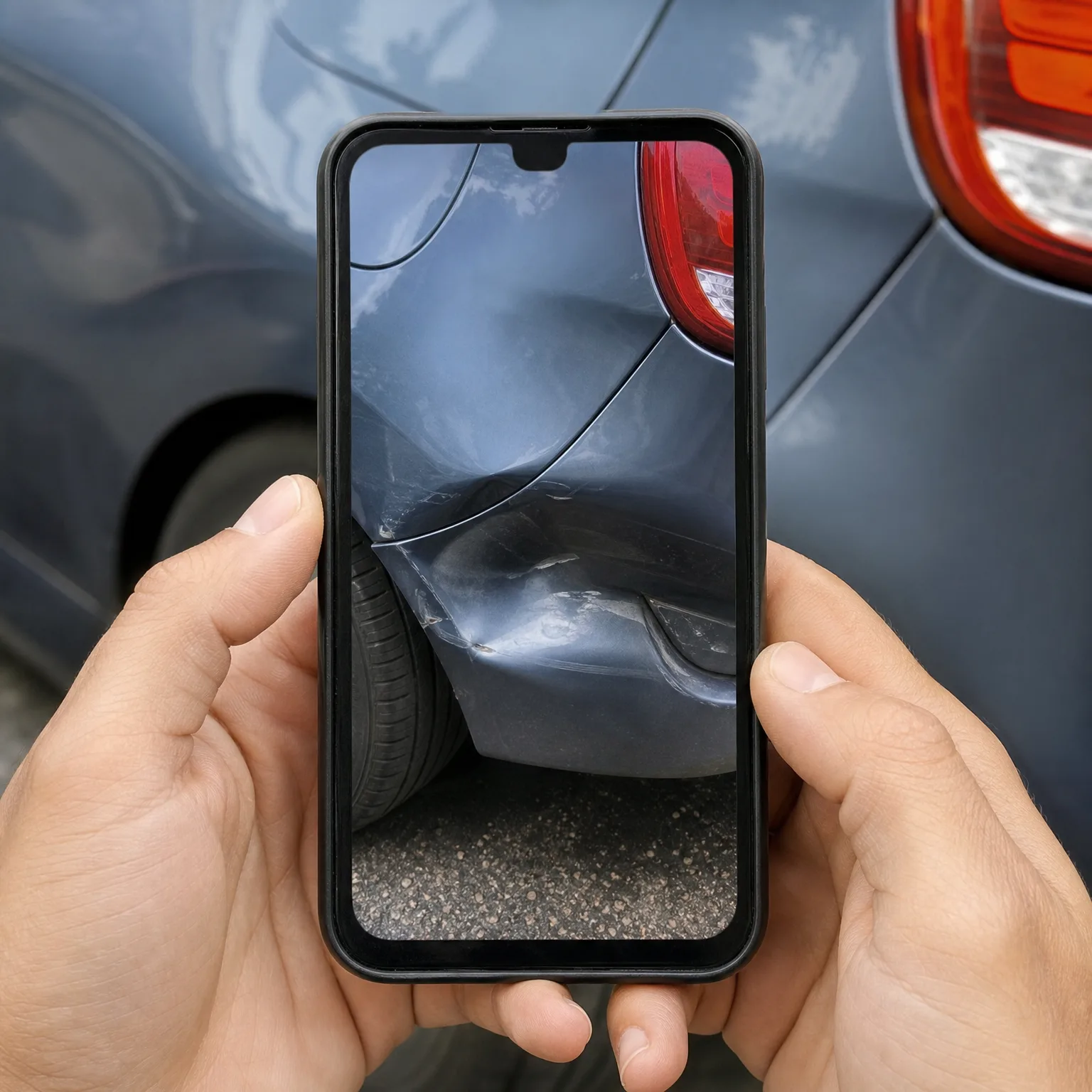
When your car is damaged by another driver who was at fault, you have two ways to get it fixed. You can file through the other driver's liability coverage, which takes time because their insurer has to investigate first. Or you can file through your own collision coverage, which moves faster but requires you to pay your deductible upfront.
Most people choose the faster route and use their own coverage, especially when they need the car back quickly. That means you pay your deductible out of pocket at the shop. Once the other driver's insurer finishes its investigation and accepts that their driver was at fault, your insurer goes after that company to recover what it paid out, including your deductible, through a process called subrogation.
When your insurer succeeds in recovering that money, it passes your deductible back to you. That's deductible reimbursement. It's not a bonus or a favor, it's your money coming back because someone else's insurance is supposed to cover someone else's fault. If the other driver had no insurance, or if fault is split between both drivers, the reimbursement may be partial or may not happen at all.
The timing depends on how fast the other insurer admits fault and pays. Some cases resolve in weeks. Others take longer if the other driver disputes what happened or if there's a question about who had the right of way. Your own insurer handles the recovery effort, so you don't have to negotiate directly with the other company to get your deductible back.
What if the other driver's insurer denies fault and won't pay back my deductible?
Your deductible reimbursement depends on your insurer actually recovering money from the other side. If that insurer denies their driver was at fault, your insurer may not get anything back, and neither will you.
This is where the dispute becomes about evidence. A police report, photos, witness statements and the damage pattern itself all help your insurer make the case. If your insurer agrees the other driver was likely at fault but the other insurer still refuses, your insurer may pursue arbitration with that company, a process that happens between the two insurers and usually doesn't require anything more from you. Ask your claims adjuster where things stand and what evidence is still needed.
Paying your deductible now doesn't mean losing it. If the other driver was at fault, that money comes back.
Once you know how reimbursement works, compare quotes to see which insurers recover and pay back fastest.

Using your own collision coverage now and waiting on reimbursement
If you do
Your car gets repaired fast because you're not waiting on another company's investigation. You pay your deductible at the shop. Weeks or months later, if the other driver is found at fault, your insurer recovers costs from their insurer and sends your deductible back to you directly.
If you don't
You wait for the other driver's insurer to accept fault before anything moves. Repairs are delayed, you may need a rental in the meantime, and if that insurer is slow or disputes fault, your car sits unfixed while the back and forth continues.
How long does it take to get deductible reimbursement back after a claim?
It depends entirely on how quickly your insurer recovers money from the other driver's insurer. If fault is clear and accepted right away, reimbursement can come within weeks of your repair being finished. If the other insurer disputes fault or delays its investigation, it can take longer, sometimes months. Check with your claims adjuster for a status update if it's been a while, since the recovery process happens between the two insurers and you may not hear anything until it's resolved. Ask specifically whether the other side has accepted fault yet.
Do I get my full deductible back or only part of it?
You get back whatever portion matches the fault your insurer recovers. If the other driver is found completely at fault, you typically get your full deductible back. If fault is split between both drivers, you may only get back a percentage matching their share. This varies by state and by how comparative fault rules are applied there, so ask your insurer how partial fault would affect your specific reimbursement amount before assuming you'll get it all back.
Can I skip my deductible entirely and just file with the other driver's insurer?
Yes, you can file a liability claim directly with the other driver's insurer instead of using your own collision coverage. This avoids paying a deductible at all, but it means waiting for that insurer to investigate and accept fault before any repairs begin. If they're slow, dispute fault, or the driver turns out to be uninsured, you could end up without a repaired car for a long stretch. Ask about expected timelines before choosing this route over your own coverage.