What Is an Accident Release Form
An accident release form ends your claim for good once signed, trading your right to ask for more later for the payment offered now.
Why the release exists and why timing matters so much
An insurer pays a claim only once. Once they pay, they want certainty that you won't come back next month, or next year, asking for more. The release form is how they buy that certainty. You sign, they pay, and the file closes for everyone involved including you.
That trade only makes sense once you actually know the full size of what happened to you. If your car was fixed and you got a rental in the meantime, the costs are usually final and known, so signing a release at that point is just closing out a settled matter. But if you were hurt, costs can keep showing up for weeks after the crash, and a release signed too early can lock you into a number that doesn't cover what comes later.
This is why adjusters sometimes move quickly to offer a check and a release right after a crash. It isn't necessarily bad faith, but it is in their interest to close the file while the number is still small. Nothing obligates you to sign on their timeline. You're allowed to wait until you understand your own costs before agreeing to end the claim.
What the release actually covers can vary. Some only release the property damage portion of a claim while leaving an injury claim open, others release everything connected to the crash in one document. Read what's being released, not just the amount being paid, and check whether the form separates vehicle damage from injury or bundles them together.
Can you still get more money after signing an accident release form?
Almost never, which is exactly why insurers want you to sign one. Once you sign, you've agreed that the payment settles the claim completely, and courts generally hold people to that agreement even if costs later turn out higher than expected.
There are narrow exceptions, like if you were misled about what you were signing or if the release was clearly limited to only certain costs. But these are hard to prove and not something to count on. The safer path is to not sign until you're confident the payment covers everything, including costs that might still be coming, rather than hoping to reopen things afterward.

Signing isn't required to get paid faster. It's required to end the claim, and those aren't the same decision.
Once you know when signing away your right to more money actually makes sense, you're ready to compare quotes.

Whether you sign the release form right when it's offered
If you do
You get paid quickly and the claim closes. But if new costs show up later, like a repair issue or a symptom that develops after the crash, you have no way to go back for more. The number on the check becomes the final word on what the crash cost you.
If you don't
Payment takes longer because the claim stays open. But you keep the ability to add costs you later discover, and you can wait until repairs are finished and any injury has resolved before agreeing to a number that actually reflects what happened.

A fender bender that looked simple until it wasn't
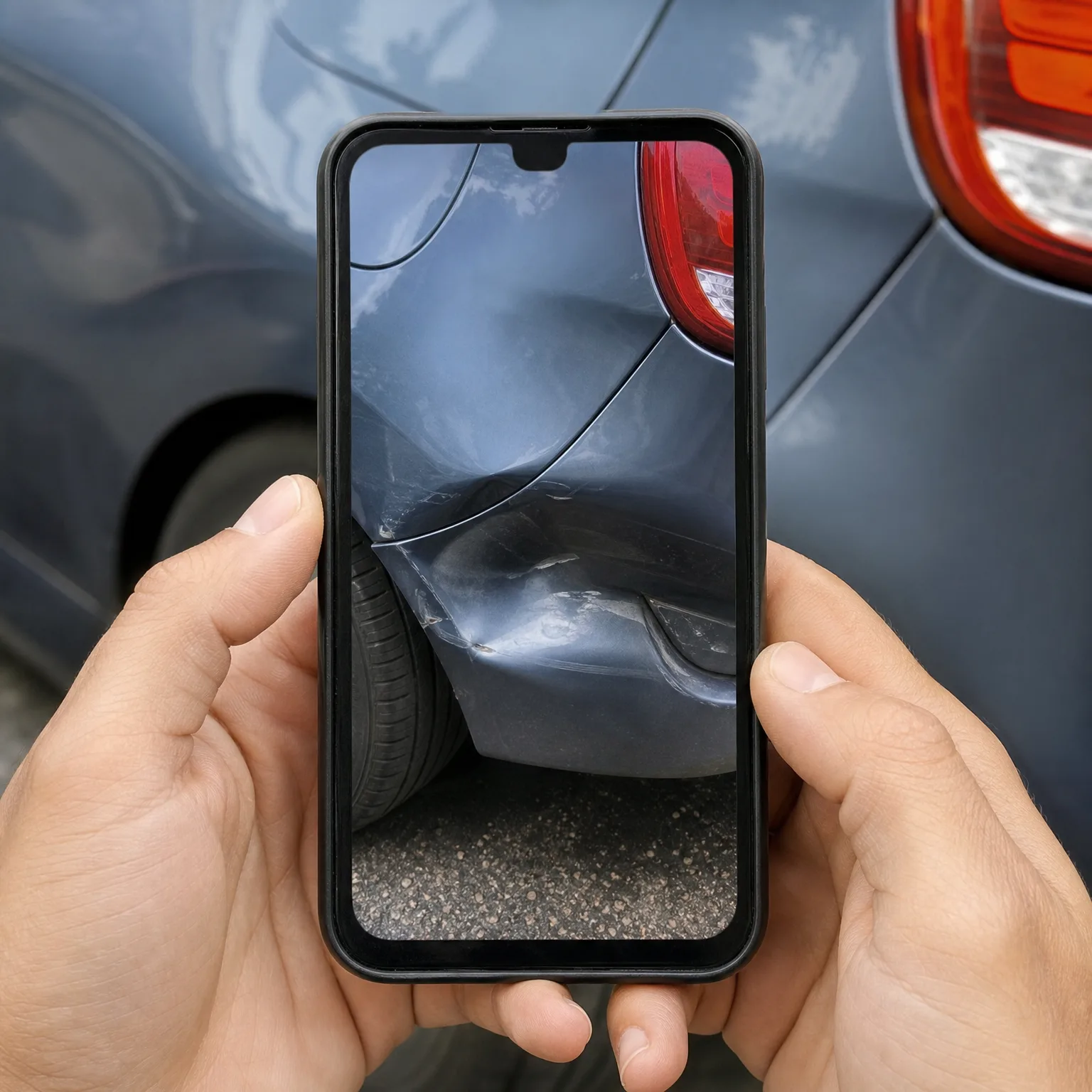
You were rear-ended at a light. The bumper was dented, nothing else looked wrong, and the other driver's insurer called within a few days offering to cover the repair plus a bit extra, if you'd sign a release right away. The number looked fair for the damage you could see, so there was a real pull to just sign and move on.
Instead you waited until the repair shop finished the work and gave a final bill, since initial estimates sometimes miss hidden damage behind a bumper. The shop found a sensor bracket that needed replacing too, adding to the cost. Because nothing had been signed yet, that cost went back to the insurer before the claim closed, and the release was signed only once the final number matched what the repair actually cost.