How Do I Write a Diminished Value Claim Letter
A diminished value letter states what your car lost in resale value, backs it with evidence, and asks the insurer to pay that amount.
What a strong letter includes
- The facts of the claim Name the date, the claim number, and the vehicle. This grounds the letter so the adjuster can match it to the file immediately.
- A clear value figure State the dollar amount you believe your car lost, not just that it lost value. A vague request gets a vague response.
- Independent support Attach an appraisal or comparable sales data showing the gap between pre-accident and post-repair value. Your opinion alone won't move the number.
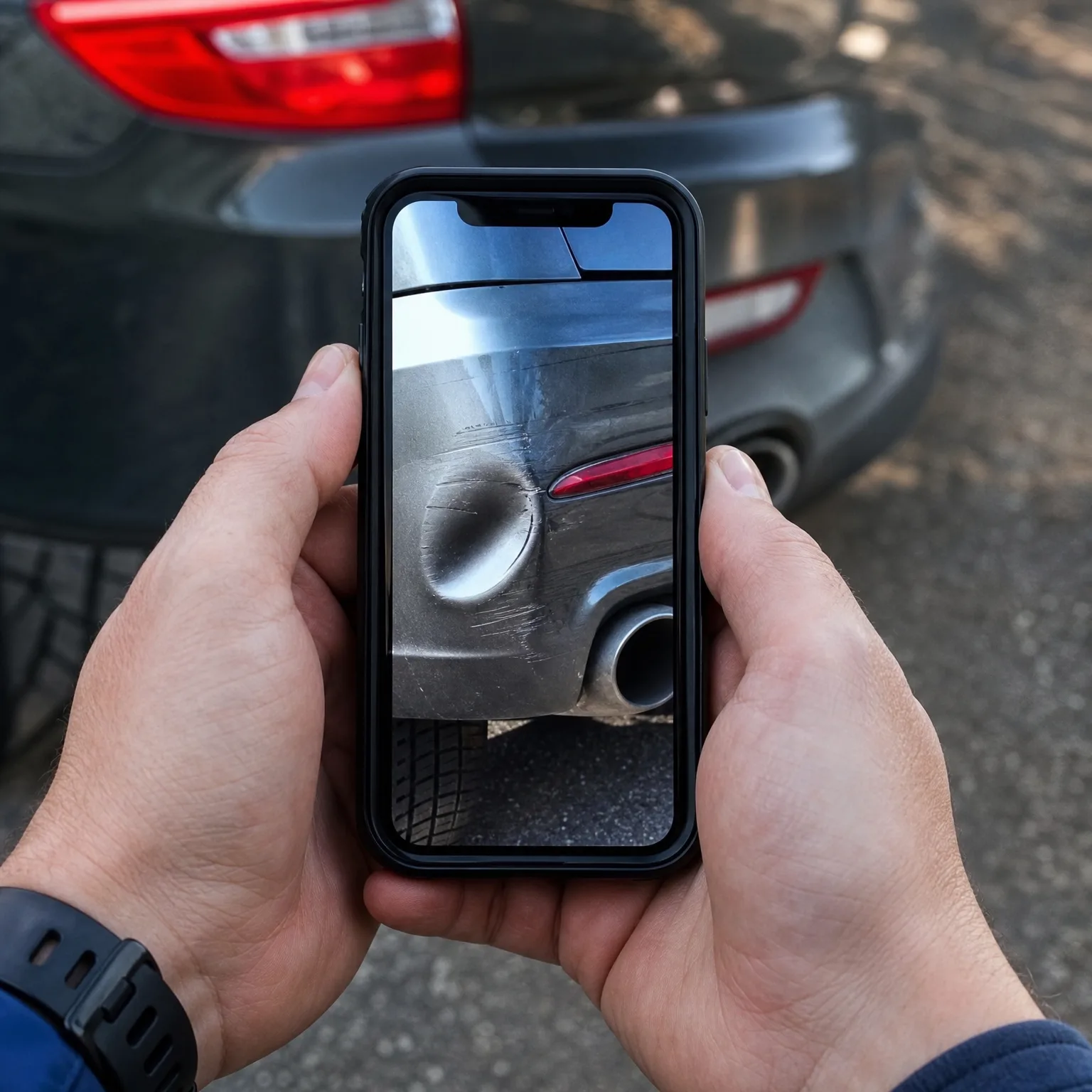
- The repair record Reference the repair invoice and any structural or frame damage noted. This shows the damage was real, not cosmetic guesswork.
- A direct request Ask for payment of the stated amount by a specific point in time. Ending without a clear ask invites delay.
What if the insurer rejects the amount in my letter?
Expect a counteroffer or a denial on the first try. Insurers often open low or push back on diminished value specifically because it's less standardized than repair costs, so a rejection isn't a dead end.
Ask what their number is based on and request it in writing. Compare it against your own appraisal and point out any gaps, especially if their figure ignores structural damage or uses weak comparables.
You can send a second letter with more support, or escalate by requesting a supervisor review. Some states give you the option to dispute through the department of insurance or small claims court if the gap stays wide. Check what your state allows before you accept a number that doesn't match your evidence.

Sending the letter versus letting the claim sit
If you do
You put your number and your evidence on record, which starts the clock on a real response. The adjuster has to engage with your figure instead of guessing at what you want. It also gives you something to point back to if the claim stalls or goes to dispute later.
If you don't
The claim moves at the insurer's pace and often settles around repair costs alone. Without a written figure and evidence attached, there's nothing concrete for the adjuster to respond to, and the file can close before diminished value is ever addressed.
Once your diminished value letter is sent, compare quotes to make sure your next policy is priced right.
A rear-end collision with a six-month-old car
Your car was a few months old when it was hit from behind at a stoplight. The other driver was cited, the repair shop fixed the bumper and trunk, and the car drove fine afterward. But when you looked at trade-in values for similar cars with no accident history, yours was worth noticeably less, even repaired correctly.
You got an independent appraisal that documented the gap and cited comparable sales. You wrote the letter stating the claim number, the repair details, and the specific amount the appraisal supported, and asked for payment within a set number of weeks. The insurer came back with a lower counteroffer, citing their own valuation tool. You replied pointing out that their tool didn't account for the car's low mileage and the structural repair noted in the shop's report. They revised their offer closer to your number, and you settled without needing to escalate further.
Why the letter has to carry its own evidence
An adjuster's job is to resolve the claim for as little as the file supports. If your letter only states a feeling that the car is worth less, there's nothing for them to act on. The letter works when it gives them a number tied to outside evidence, something they'd have to specifically argue against rather than just ignore.
Insurers rely on their own valuation software, which often underweights things like structural repairs or low mileage at the time of the crash. An independent appraisal or a set of comparable sales listings pushes back against that by showing what buyers in the real market would actually pay for a car with your vehicle's repair history.
The specific ask matters too. A letter that describes the damage but never names a figure tends to get a vague reply or none at all. Naming your number, with a date attached for response, moves the claim out of open-ended back and forth and into something the adjuster has to respond to directly.
How much weight your letter carries can depend on where you live. Some states recognize diminished value claims clearly and have a dispute process if the insurer won't budge. Others leave it more ambiguous, with outcomes shaped by case law or the specific insurer's practice. Check how your state treats these claims before you decide how hard to push, since that affects what leverage your letter actually has.