Do Police Take Hit and Run Seriously
Police take hit and run seriously, especially when there's an injury, a plate number, or witnesses who can help identify the driver.
It comes down to evidence, injury, and what can actually be proven
Police treat hit and run as a crime, not just a fender bender, because the other driver left the scene instead of exchanging information. That alone changes how an officer responds. A routine crash report becomes an investigation, and in many places leaving the scene carries its own legal consequences for the driver, separate from who caused the crash.
What decides how much effort goes into finding the driver is usually evidence. A partial plate, a description of the car, a doorbell camera, or a witness willing to talk gives police something to work with. Without any of that, officers may take a report but have little path forward, and the case can sit open without much movement.
Injuries change the priority too. A crash with an injured person typically gets more attention from police and sometimes a dedicated unit, because it's treated as a more serious offense where the driver can be charged. Property damage alone, with no injuries and no leads, often gets logged but not actively chased.
This varies by city and department, so it helps to ask the responding officer directly what happens next and whether the case gets assigned to anyone. Some departments will tell you plainly if there isn't enough to pursue, and that information still matters for your insurance claim even if no driver is ever found.
A parked car hit while the owner was inside a store
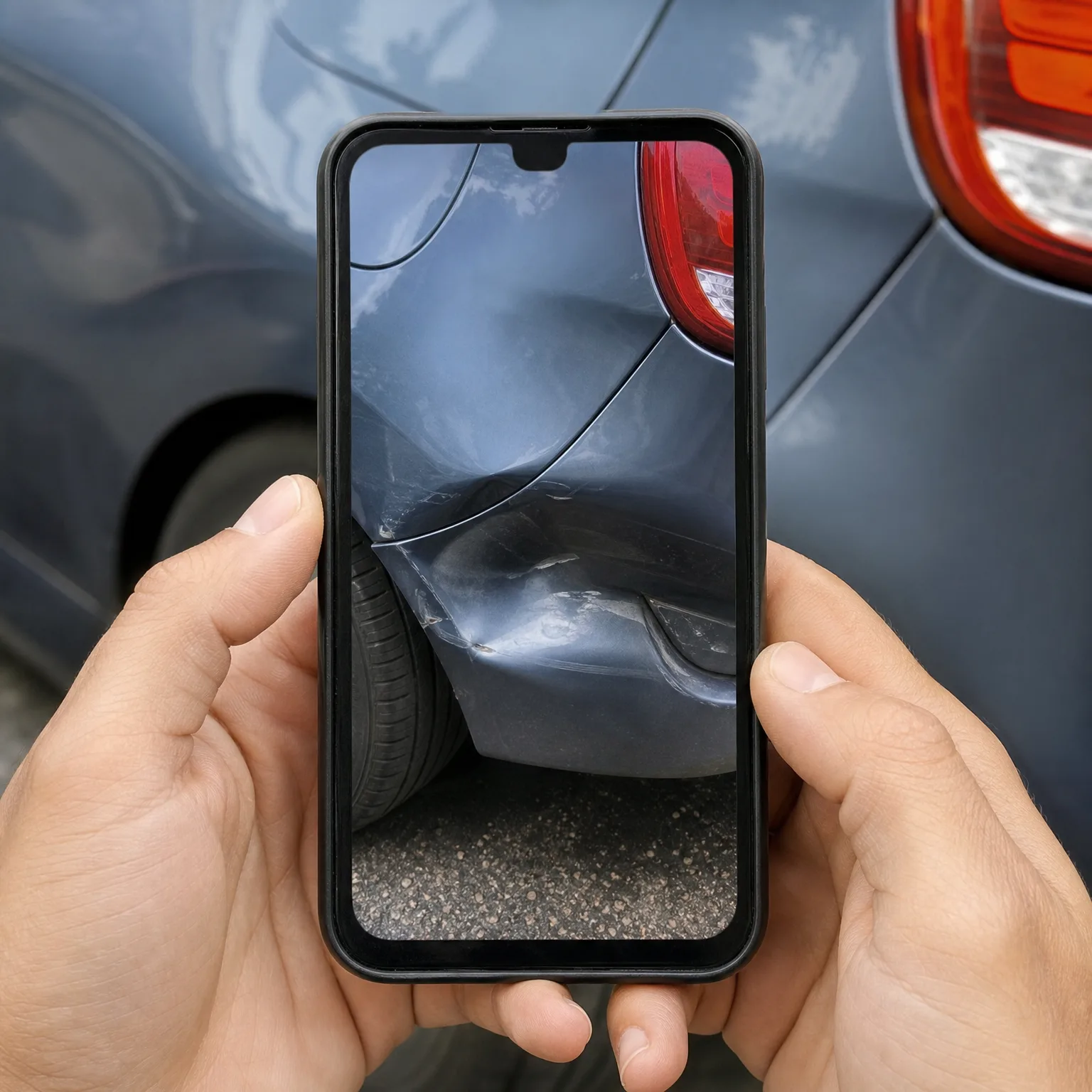
Someone returned to their car in a parking lot to find the rear bumper crushed and no note left behind. A store employee had seen a truck back into it and remembered part of the plate number. The owner called police right away, gave that partial plate, and filed a report before leaving the lot.
The officer logged it as a hit and run and said the partial plate would go into their system, though there was no guarantee it would lead anywhere. A week later, the department called back. They had matched the plate to a registered truck owner who admitted to the damage once contacted. The owner's insurance then dealt with it as a normal at-fault claim once the driver was identified, instead of leaving the owner to cover it alone.

Once you know how your report is likely to be handled, compare quotes to see how a hit and run claim would be covered.
What happens if police never find the other driver?
If the driver is never identified, your claim usually shifts to your own insurance rather than staying open and waiting. Many policies have a specific coverage for exactly this situation, separate from standard at-fault claims, though what it's called and how it applies depends on your policy and state.
You'll typically still need the police report, even without a suspect, because insurers want documentation that this was a hit and run and not just unexplained damage. Ask your insurer early what they need from the report and whether there's a time limit for filing this type of claim, since waiting too long can affect your options.

A fast, detailed report matters more to your outcome than how police label or classify the case.
How long do police investigate a hit and run before closing it?
There's no fixed timeline, it depends on whether new evidence comes in. Cases with injuries or strong leads stay open longer and may get periodic follow-up. Cases with no leads can be closed quickly or simply go inactive without a formal close. Ask the officer or department what their typical process is and whether you'll be notified either way.
Will my insurance go up if I file a hit and run claim?
It depends on your insurer and which coverage pays the claim. Since you weren't at fault, many insurers won't treat it the same as an at-fault accident, but policies differ. Ask your agent directly how this specific type of claim is rated before you file, so you know what to expect.
Can I get the other driver's insurance to pay if police find them later?
Yes, if police identify the driver, you can usually file against their insurance even after your own insurer has already started handling the claim. Your insurer may also recover costs from the other insurer later, which can affect any deductible you paid. Ask your adjuster how reimbursement works if the driver is found after the fact.