Do Police Go After Hit and Run Drivers
Police do investigate hit and run cases, but the odds of finding the driver depend heavily on evidence like plates, cameras, and witnesses.
Why some hit and run cases get solved and others don't
Police treat hit and run as a crime, not just a traffic dispute, because leaving the scene is itself illegal regardless of who caused the crash. That means an officer or detective is supposed to open a case, but departments have limited time and often prioritize cases with a real chance of resolution.
What moves a case forward is almost always physical evidence. A partial license plate, a distinctive vehicle description, paint transfer, a doorbell camera, or a witness who got a few digits all give police something to run down. Without any of that, a report often sits open with little active work, not because anyone is careless but because there is nothing to chase.
Injuries change the calculus. When someone is hurt, especially seriously, the case usually gets more attention, sometimes from traffic investigators who specialize in reconstructing crashes. Property damage only cases, even significant ones, tend to get less sustained effort simply because departments are stretched thin and prioritize harm to people first.
How this plays out varies by city and department size, so what counts as a quickly worked case in one place might sit longer somewhere else. If you want a sense of how your local department handles these, you can ask the reporting officer directly what typically happens next and what would help the case.
What happens to your claim if the driver is never found?
If police never identify the other driver, you file the claim as an uninsured motorist claim through your own policy, assuming you carry that coverage. It functions like the other driver's liability coverage would have, paying for your damage and injuries up to your policy's limits.
This is why uninsured motorist coverage matters even when you're a careful driver. It's not about your own risk, it's about protecting yourself from someone else's decision to flee. Check your policy now, before you need it, so you know whether this protection is in place and what it would cover if a driver is never found.

Whether you keep pushing police for updates on your case
If you do
Checking in periodically keeps your case visible and signals it still matters to someone. You may learn new evidence surfaced, like a camera that was reviewed late, and you'll know sooner if the case is closed so you can move forward with your own insurer without waiting indefinitely.
If you don't
Your case may sit untouched longer, especially if it's not high priority. You could miss the window to act while assuming police are still working it, and you'll have less sense of whether to rely on your own coverage or keep waiting for an identification.
Now that you know your options, compare quotes to confirm you have the right protection in place.
When the driver was never found
A woman's parked car was sideswiped overnight in her apartment lot. No witnesses, no camera footage, just a long scrape and a broken mirror. She filed a police report the next morning, mostly out of habit, and the officer logged it but was honest that without a plate or description, there was little to investigate.
She waited two weeks, checked in once, and was told the case was inactive pending new evidence. Rather than wait longer, she filed with her own insurer under her uninsured motorist property damage coverage, which she had added years earlier almost as an afterthought. Her car got fixed, she paid her deductible, and the police case stayed open in name only, in case anything ever surfaced.
Can I get a copy of the police report for my insurance claim?
Yes, you're entitled to request a copy, usually through the department's records division or an online portal. Most departments charge a small processing fee and take a few days to a few weeks to make it available. Your insurer will likely want this report, so request it early rather than waiting until they ask, since delays in records processing are common and can slow down your claim.
Does my insurance go up if I file an uninsured motorist claim?
It depends on your insurer and state, since this isn't a case where you were at fault. Many insurers treat uninsured motorist claims differently from at-fault claims precisely because you didn't cause the crash. Check with your insurer directly, because rules vary, and ask specifically how this type of claim is treated before you file so there are no surprises later.
Should I get my own repair estimate before police finish investigating?
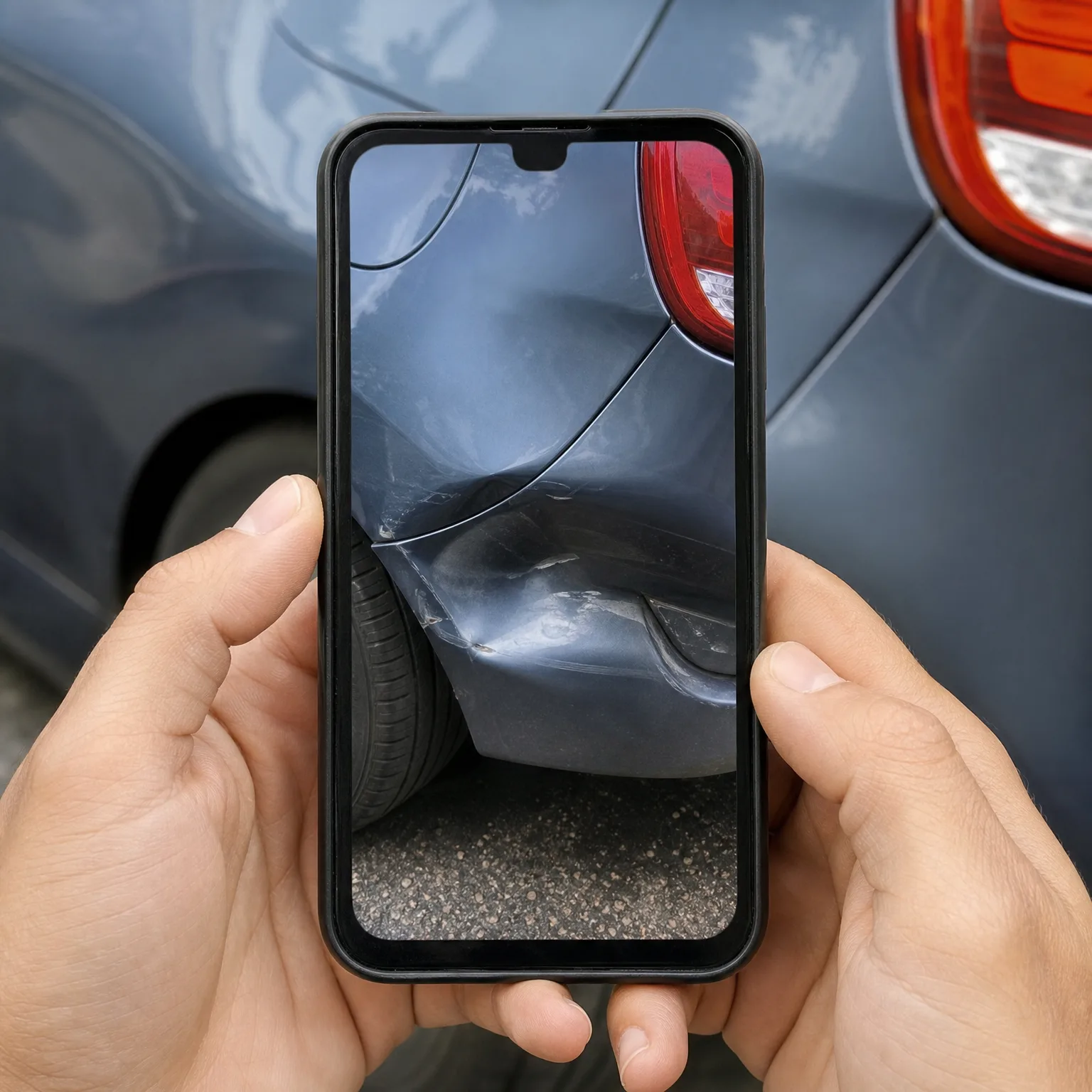
Yes, you don't need to wait for police to finish before getting your car assessed and repaired. The investigation and your insurance claim are separate processes that often move independently. Get an estimate soon so you know the cost and aren't stuck without a car, and keep documentation in case the driver is later identified and liability shifts.