What Is an Accident Free Discount
It's a lower rate you get for not filing at-fault claims, and a not-at-fault accident usually shouldn't take it away.

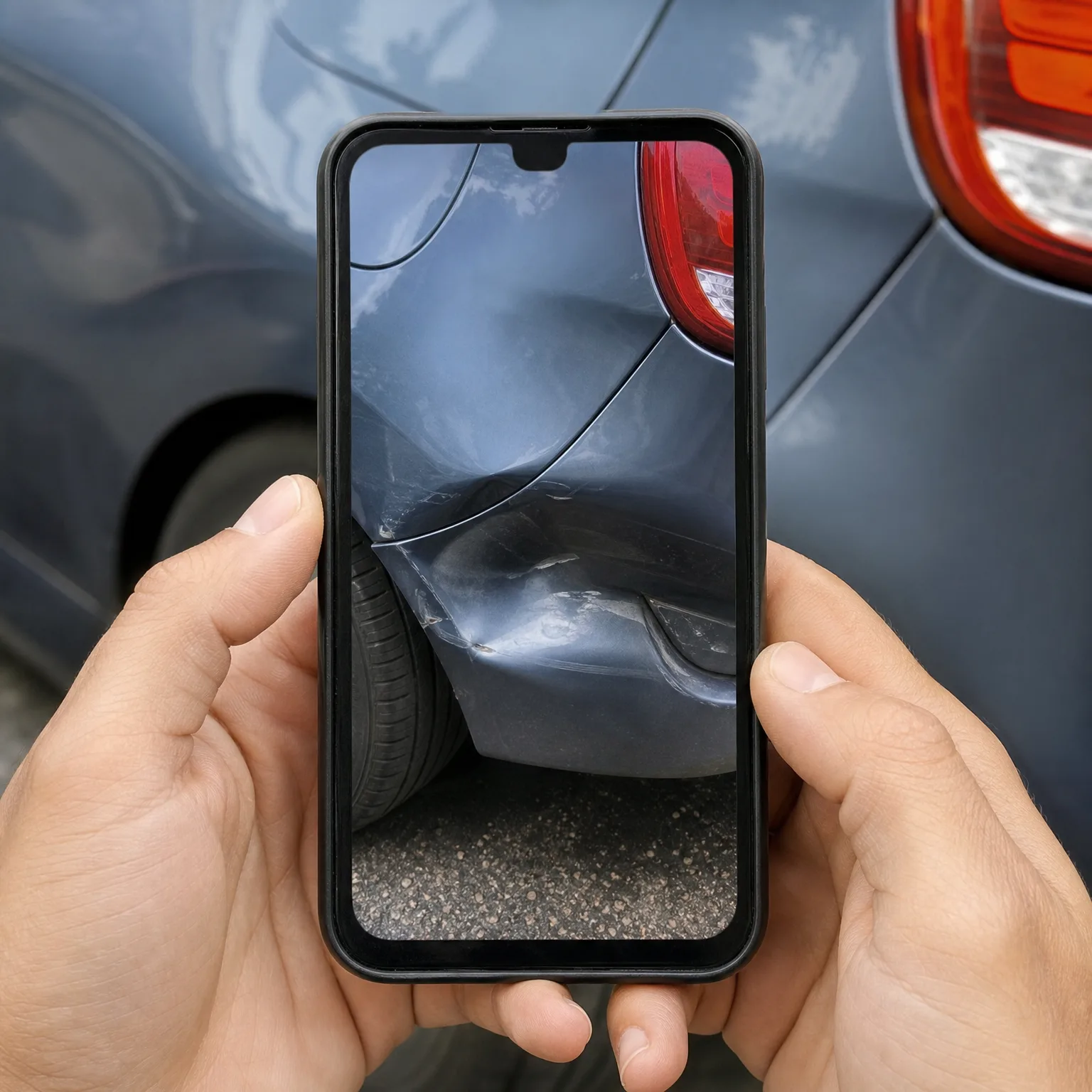
A rear-end crash that wasn't her fault
A driver was stopped at a light when another car rear-ended her. She filed a claim through the other driver's insurer to cover her repairs and a rental car, and she never touched her own policy's claim process at all. A few weeks later her renewal notice arrived and she worried the accident free discount would be gone.
It wasn't. Her insurer only tracks at-fault accidents and moving violations for that discount, and the police report and the other driver's insurer accepting fault both confirmed she hadn't caused the crash. Her rate went up slightly at renewal, but that was from general rate changes across her state, not from this accident. She called her agent to confirm the discount was intact before she compared any new quotes, just so she wasn't guessing.

The short version
An accident free discount lowers your rate for not having at-fault accidents on your record, and a crash someone else caused usually doesn't count against it. The main thing that matters is fault, not just whether a crash happened. Confirm with your insurer how your claim was coded before you assume anything changed.
Will my rate go up even if the discount stays?
It's possible, and it depends on more than this one discount. Insurers set rates using many factors together, and a not-at-fault accident can still show up in your claims history even when it doesn't cost you the accident free discount specifically.
Some insurers treat any claim, regardless of fault, as something that can nudge pricing at renewal, especially if you used your own policy for repairs. Others only price based on fault. This is one of those places that varies by insurer and sometimes by state rules, so ask directly whether a not-at-fault claim affects your premium, separate from asking about the discount itself. Get the answer in writing or in your policy documents if you can, so you're comparing quotes with real information instead of a guess.
Once you know your accident free discount is safe, compare quotes to see what your clean record is worth elsewhere.
What decides whether you keep this discount
- Fault, not the crash itself The discount is usually tied to at-fault accidents, not accidents in general. If the other driver was found at fault, this crash typically shouldn't remove it.
- How the claim gets coded Insurers log claims internally as at-fault or not-at-fault. Ask your insurer directly how this claim was recorded, since that coding is what actually controls the discount.
- Which policy paid for repairs Using the other driver's insurance usually keeps your own claims history clean. Using your own collision coverage can sometimes get logged differently, so ask before you choose.
- State and insurer rules differ Some states limit how accidents affect pricing, and insurers vary in what counts against this discount. Check your specific policy language instead of assuming.
- Discount rules vs pricing rules Keeping the discount and keeping your rate flat are two separate things. Ask about both separately so you know the full effect on your premium.
Why fault is what actually matters here
An accident free discount exists to reward drivers who don't cause crashes, so insurers built it around fault rather than around whether your car was ever in a collision. That distinction matters because you can be hit by someone else entirely and still be a low-risk driver in every way that pricing is meant to measure. Insurers know this, which is why most tie the discount to at-fault incidents on your record rather than to any accident at all.
What determines fault in their system is usually the claim outcome. If the other driver's insurer accepted liability, or a police report names them at fault, that typically gets reflected in how your insurer codes the incident internally. This coding is what the discount actually checks against, not the fact that a tow truck showed up or that you filed any paperwork at all.
Where it gets less uniform is when fault is unclear, split between both drivers, or never formally decided. Some insurers treat a partial-fault outcome as enough to affect the discount, others don't, and this is one of the clearest places where policies and state rules diverge. The claims process itself can also take time, so your discount status might not be finalized right away if liability is still being worked out between insurers.
There are also cases where the discount is structured differently from company to company, some resetting after any claim at all regardless of fault, others only resetting after an at-fault one. Because of that, the only reliable way to know where you stand is to ask your own insurer directly how this specific accident was classified, rather than assuming the rule works the same way it did at your last company or the way a friend's policy works.
Does filing a claim against the other driver's insurance affect my discount?
Usually not, because that claim is typically recorded as not-at-fault on your record. The discount is generally tied to fault, not to whether a claim exists at all. Still, confirm with your own insurer how they log claims filed through another driver's insurance, since the exact process can vary and you want it in writing rather than assumed.
What if fault is disputed between the two drivers?
Then your discount status may be on hold until fault gets resolved, since insurers need that determination to code the claim correctly. Check with your insurer what happens if liability ends up split rather than assigned to one driver fully. A partial-fault outcome is the scenario most likely to change the answer, so ask specifically about that possibility rather than assuming it works like a clear-cut case.
How long does an accident stay on my record for this discount?
It depends on your insurer's rules, and there's no universal timeline, so this is something to ask about directly. Some insurers look back a set number of years when calculating this discount, others reset it annually based only on your most recent period. Since even a not-at-fault accident might still appear in your claims history, ask whether that history affects anything beyond this specific discount too.